Altitude
273 m a.s.l.
Coordinates
43° 40′ N
12° 31′ E


Altitude
273 m a.s.l.
Coordinates
43° 40′ N
12° 31′ E
Ufficio Informazioni e Accoglienza Turistica (IAT)
c/o Palazzo Ducale
Corso Vittorio Emanuele II, 21
61049 Urbania (PU)
Opening hours
Tuesday – Sunday
9:30 – 12:30 / 15:00 – 18:00
Tel.: +(39) 0722 313151
turismo@comune.urbania.pu.it
Comune di Urbania
Corso Vittorio Emanuele II, 21
61049 Urbania (PU)
Italy
Office hours
Monday – Friday 9:00 – 13:00
Tuesday and Thursday 15:00 – 17:00
Tel.: +(39) 0722 313111
www.comune.urbania.pu.it
comune.urbania@provincia.ps.it
comune.urbania@emarche.it (PEC)
Take a look at some photos of the town
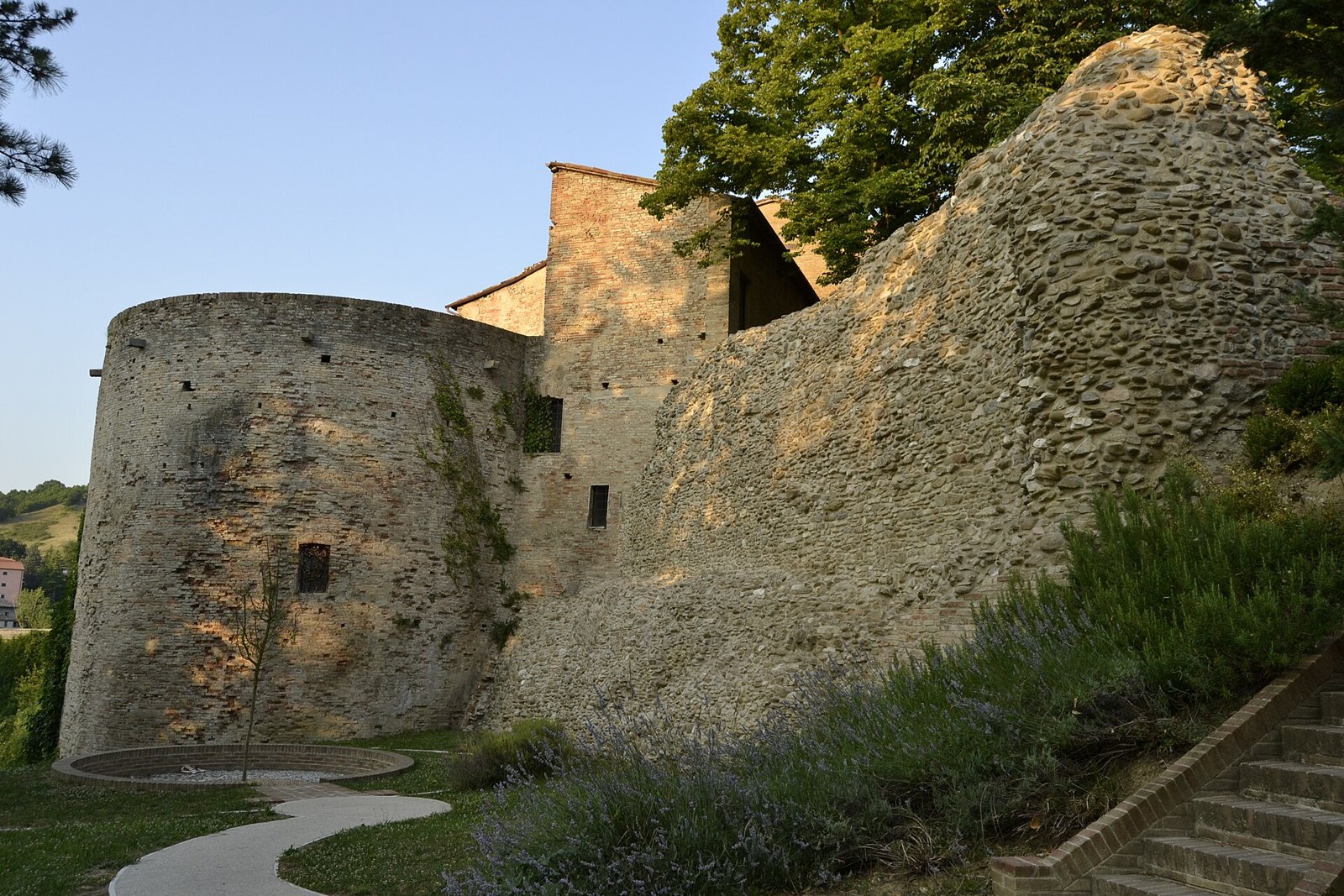
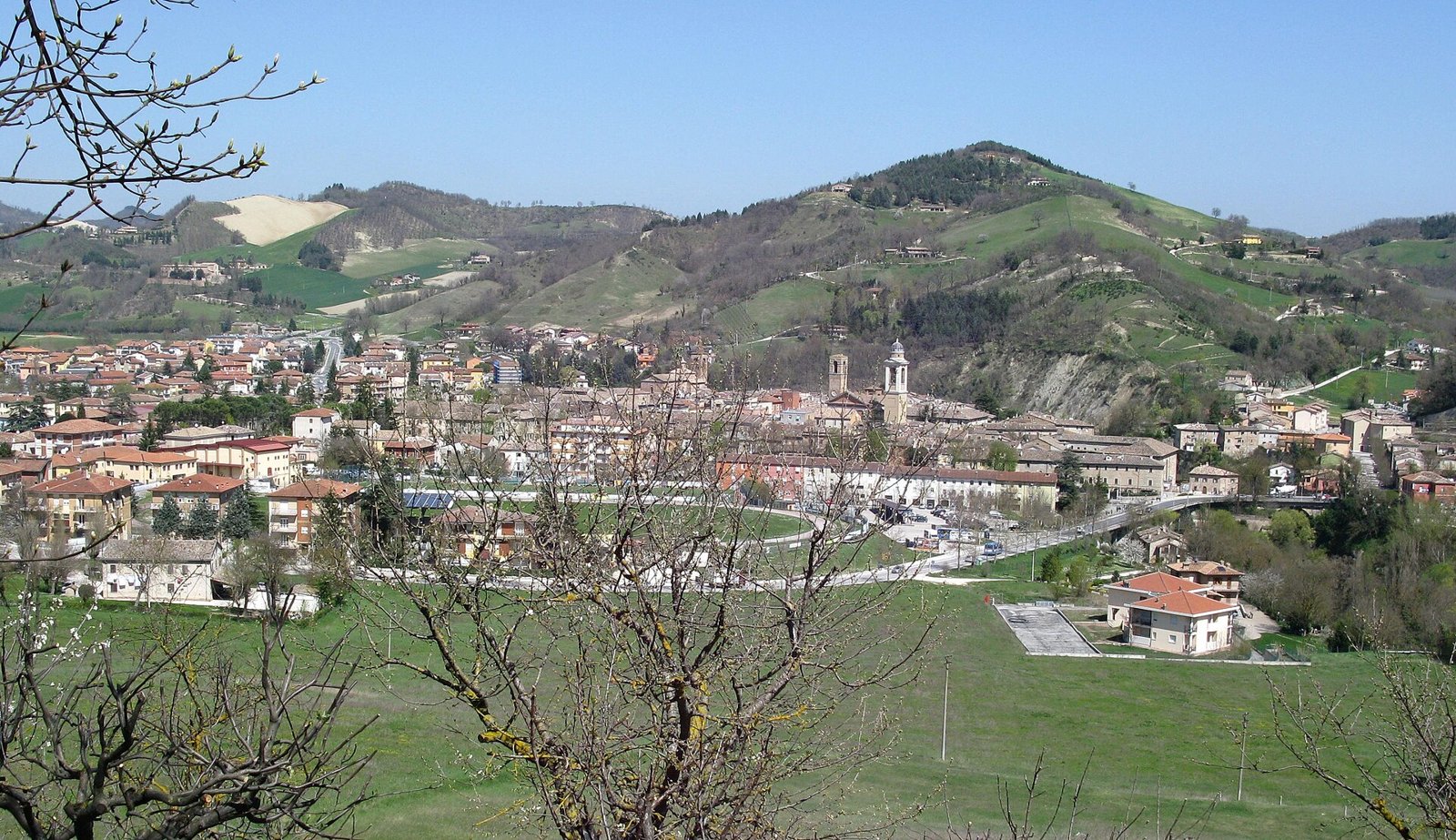
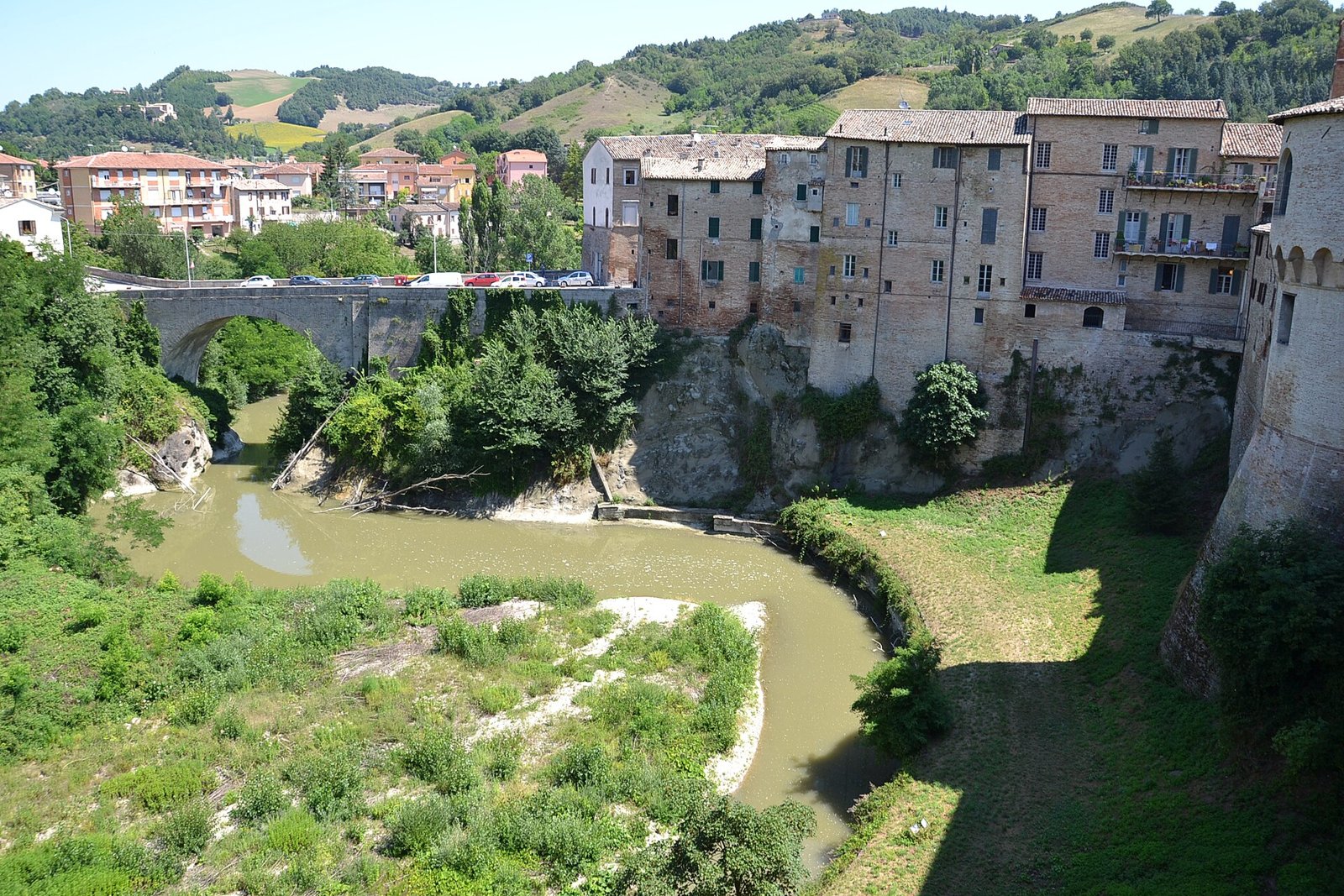
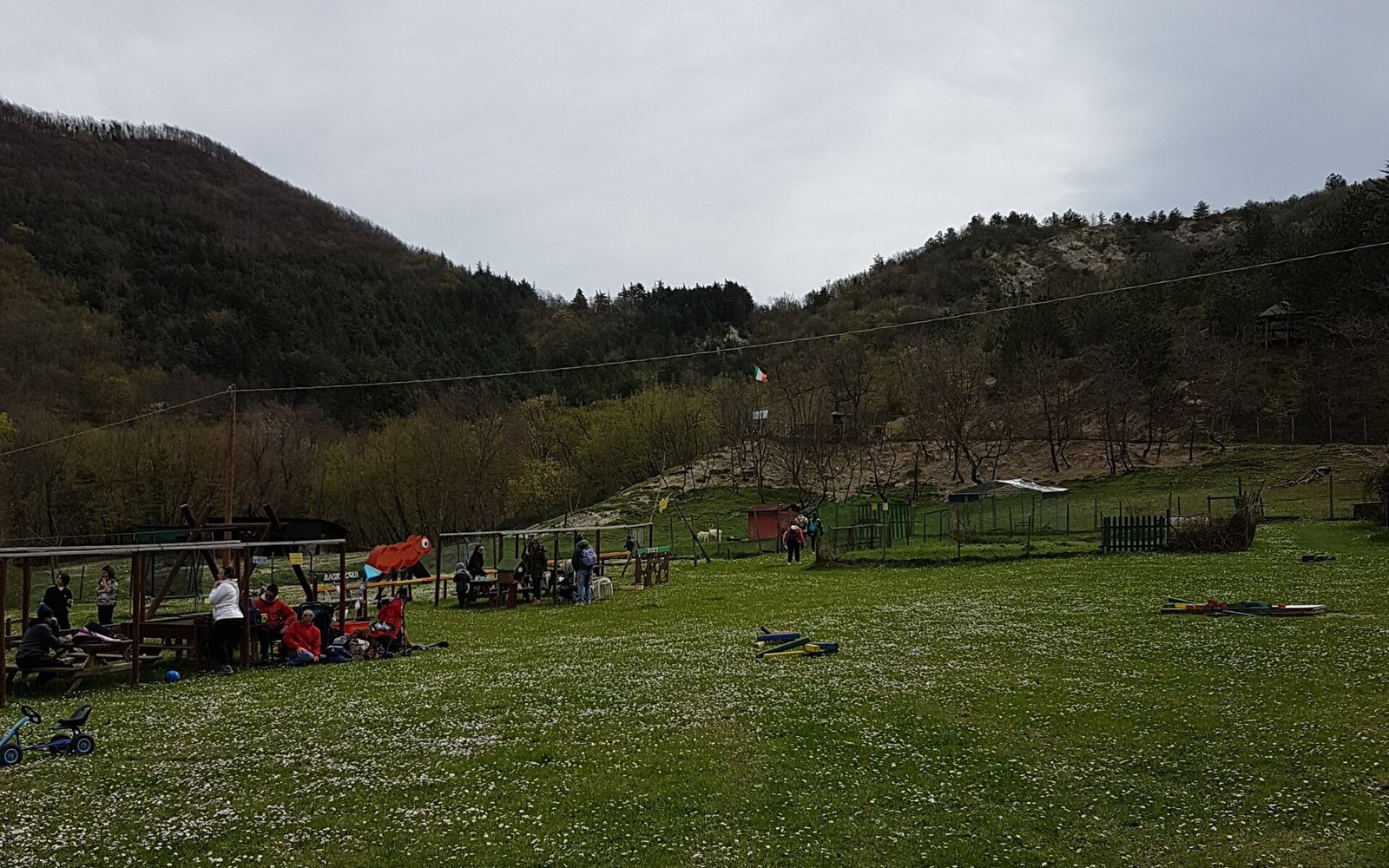
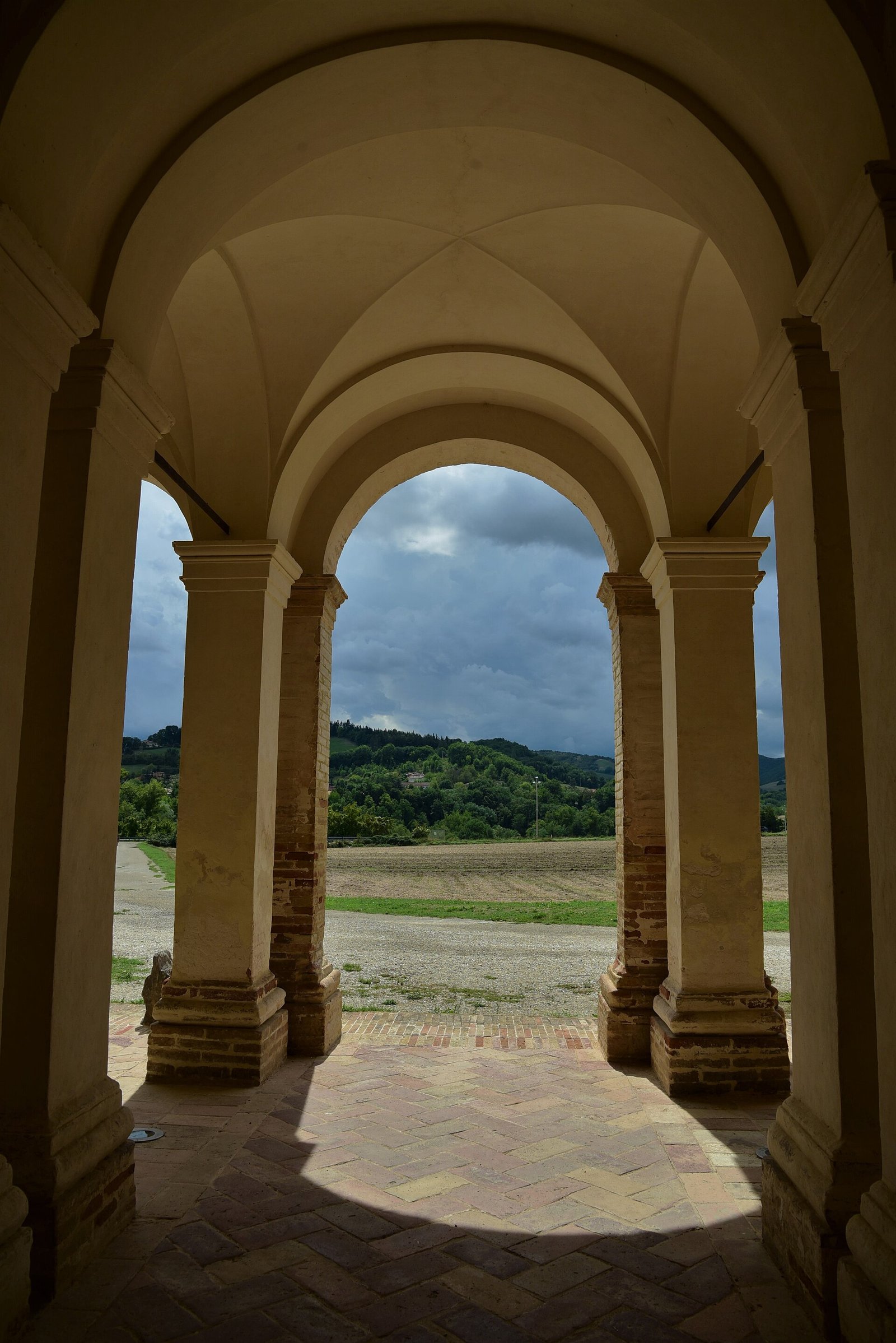
Set in a bend of the river Metauro, Urbania rises where in the medieval period stood Castel delle Ripe, destroyed in the 13th century during the struggles between Guelphs and Ghibellines. The village was rebuilt around 1280 by the will of bishop Guglielmo Durante il Vecchio (Guillaume Durand), a French jurist and liturgist, and in his honour took the name of Casteldurante. Soon entering the orbit of the Montefeltro and then of the Della Rovere, dukes of Urbino, it became one of the most lively centres of the duchy: the dukes built there an elegant Palazzo Ducale overlooking the river, with a library and hanging gardens. In the Renaissance Casteldurante achieved European fame for the production of maiolica: its workshops made istoriato plates, apothecary jars and decorated services exported throughout Italy and beyond the Alps. In 1636 Pope Urban VIII Barberini raised the locality to a city and episcopal see, renaming it Urbania in his own honour. With the extinction of the Della Rovere the territory passed to the Papal States, following its fortunes until the Unification of Italy. Besides ceramics, Urbania is celebrated as the "city of the Befana", who here has her home and is celebrated every Epiphany with one of the best-known events in Italy. The historic centre still today preserves its Renaissance layout, among arcades, churches and alleys rich in history, guarding the intact charm of a small court capital.
The symbolic monument is the Palazzo Ducale, residence of the dukes of Urbino overlooking the Metauro: it houses the Civic Museum, the Pinacoteca with paintings and frescoes, the Library and the Historical Archive, as well as a collection of ceramics and 17th-century maps and globes. Not to be missed is the striking Chiesa dei Morti, with the adjoining "Cemetery of the Mummies": behind the altar are preserved naturally mummified bodies, a rare and fascinating testimony of ancient burial practices. Worth a visit is the Cathedral of San Cristoforo, rebuilt in neoclassical forms, together with the numerous churches and confraternities of the centre. Just outside the built-up area, immersed in greenery along the river, rises the Barco Ducale, the dukes' hunting estate later transformed into a convent. Strolling among the alleys one comes upon the workshops of the ceramists, heirs to the tradition of the maiolica of Casteldurante, where one can observe the ancient technique of the third firing. Also worth seeing are the Museum of the History of Agriculture and Craftsmanship and the Casa della Befana, loved by the little ones. The bridge over the Metauro and the banks of the river offer picturesque glimpses of the city's profile, while a few kilometres away one reaches Urbino, a UNESCO World Heritage Site, and the villages of the Montefeltro, for an itinerary that unites Renaissance art, artisan tradition and Apennine nature.
The cuisine of Urbania is the genuine fare of the Marche hinterland, made of handrolled pasta, meats, truffles and produce of the wood. Among the first courses dominate cappelletti in broth, passatelli, tagliatelle and maccheroncini dressed with meat ragù or with the prized truffle, which in the valleys of the Metauro and the Catria is gathered in several varieties during the year. Queen of the table is crescia sfogliata, a thin multi-layered flatbread cooked on the testo and filled with cured meats, cheeses and wild herbs. Not to be missed are the local salumi – prosciutto, salame, lonza and coppa – accompanied by Casciotta d'Urbino DOP, a delicate sheep's and cow's milk cheese typical of the province. There is no lack of mushrooms, chestnuts and pulses from the surrounding countryside. Giving character to the dishes is often Bianchello del Metauro DOC wine, a fresh white of the valley, flanked by the reds of the Colli Pesaresi and, among the more curious flavours, by vino di visciole, sweet and fragrant. Among the desserts one savours fruit crostate and jams, ciambelloni and biscuits of the farming tradition. Rounding off the local larder are the extra virgin olive oil of the hills, honey and wild herbs, the protagonists of simple and seasonal recipes, to be enjoyed in the trattorias of the centre and in the farm inns of the surroundings in a convivial atmosphere that is the soul of this land between Montefeltro and Apennines.