Altitude
215 m a.s.l.
Coordinates
43° 21′ 49.32″ N
13° 26′ 9.06″ E


Altitude
215 m a.s.l.
Coordinates
43° 21′ 49.32″ N
13° 26′ 9.06″ E
Via Garibaldi, 11
62010 Montecassiano (MC)
Italy
Tel.: +(39) 0733.290483
Fax:
www.comune.montecassiano.mc.it
ufficio.segreteria@comune.montecassiano.mc.it
Contact person
Paolo LATINI
Tel.: +(39) 0733.299861
segreteria@comune.montecassiano.mc.it
Via Verdi, 2
62010 Montecassiano (MC)
Italy
Tel.: +(39) 0733.299811
Fax: +(39) 0733.299898
www.comune.montecassiano.mc.it
segreteria@comune.montecassiano.mc.it
comune.montecassiano@emarche.it
Take a look at some photos of the town
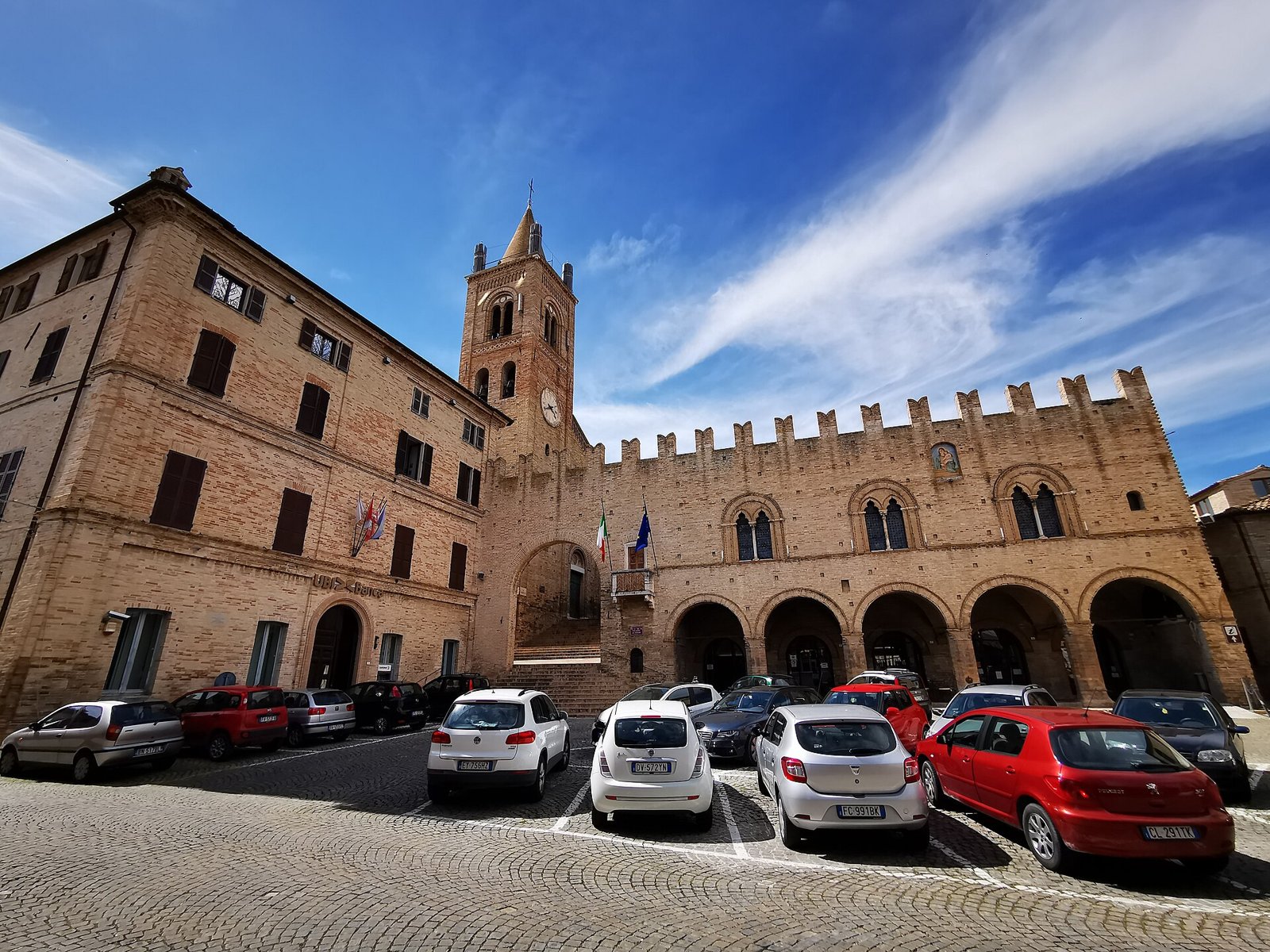
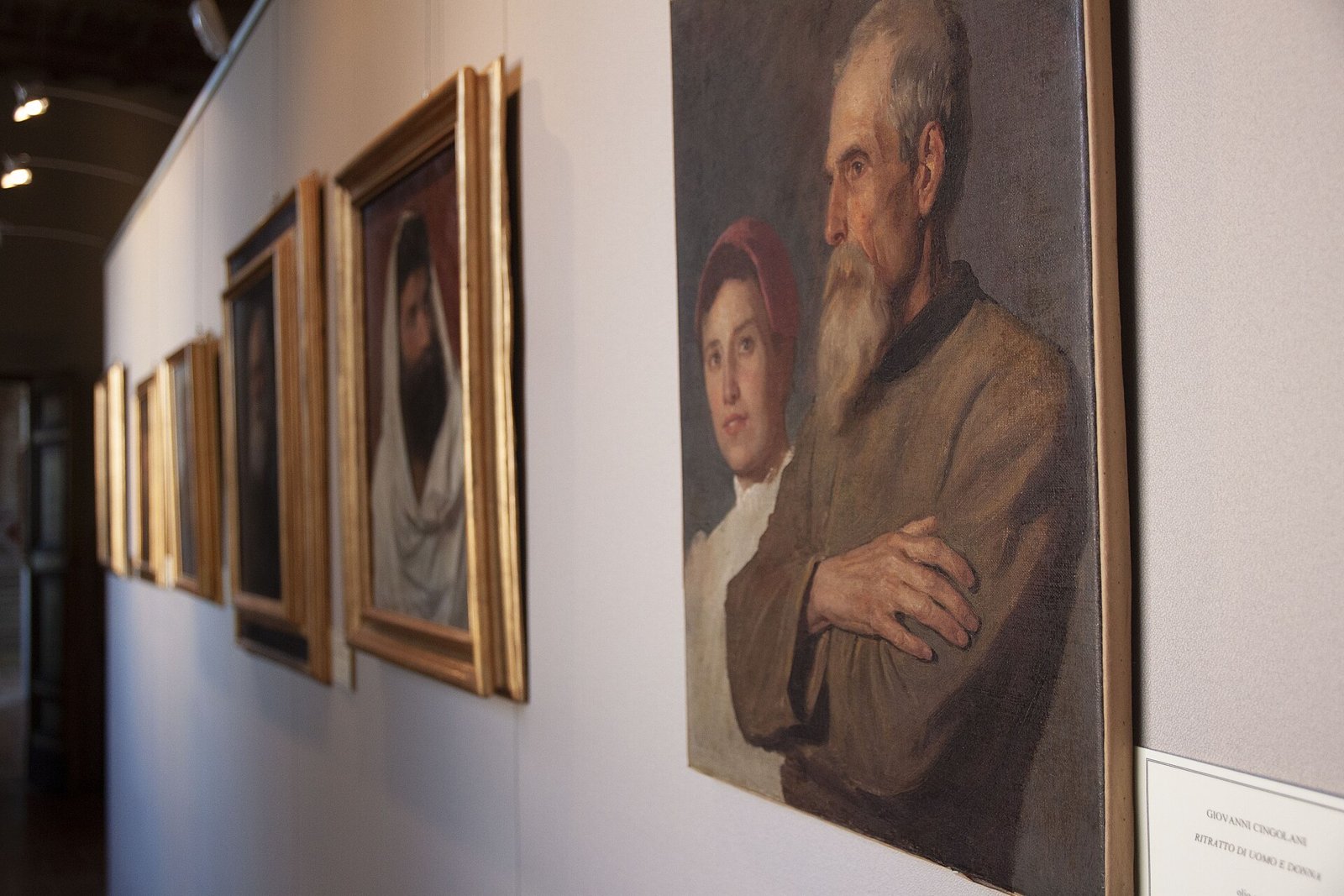
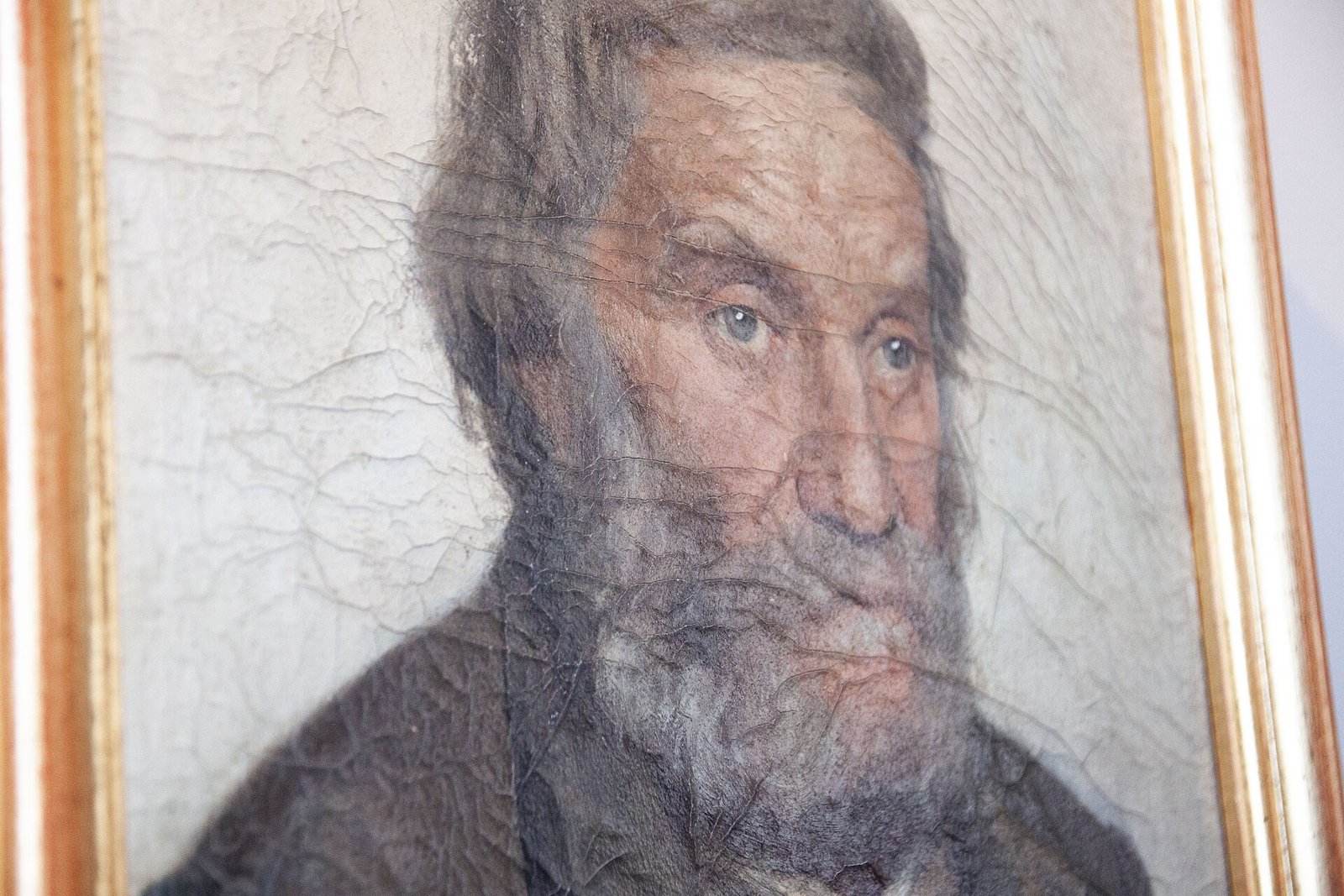
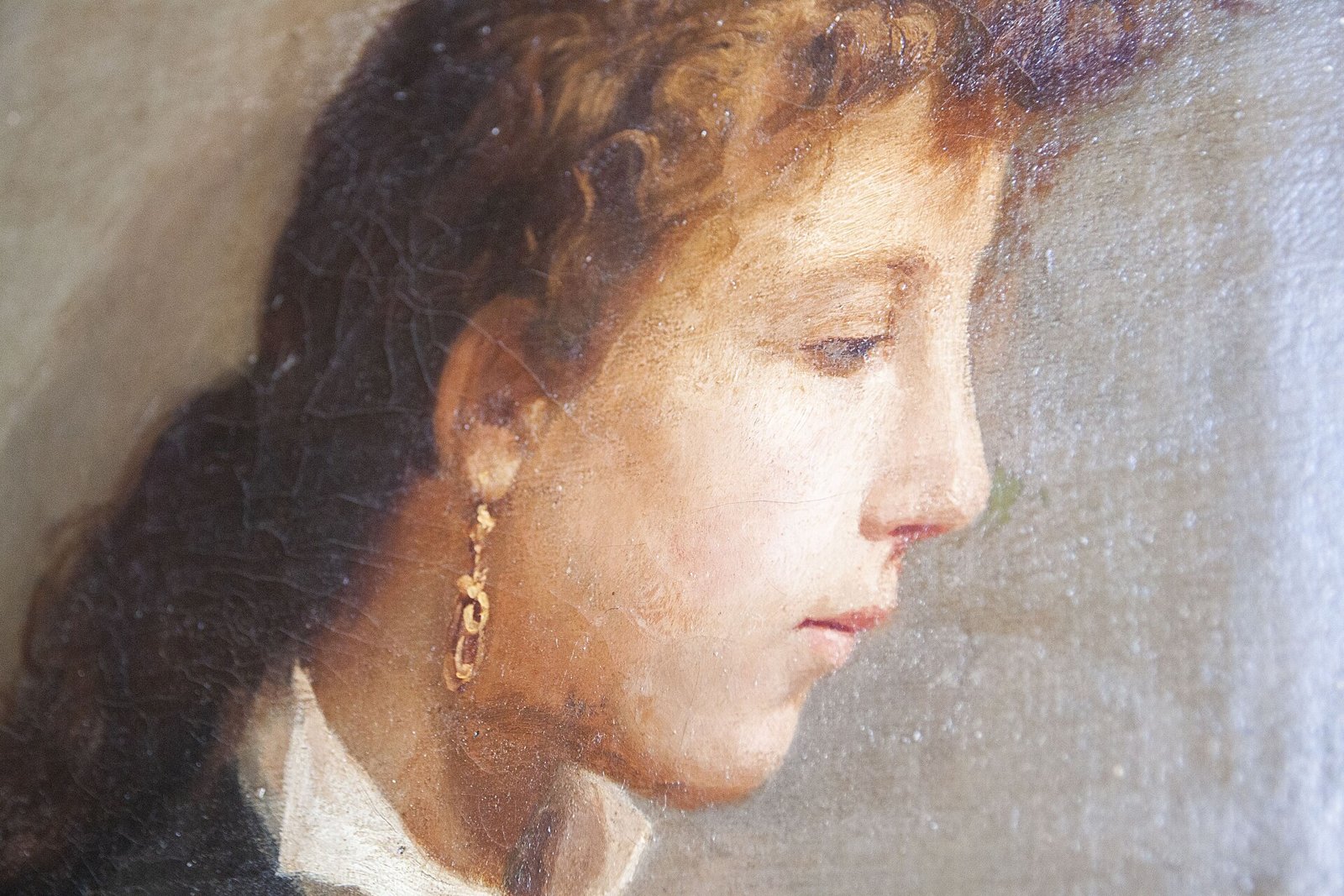
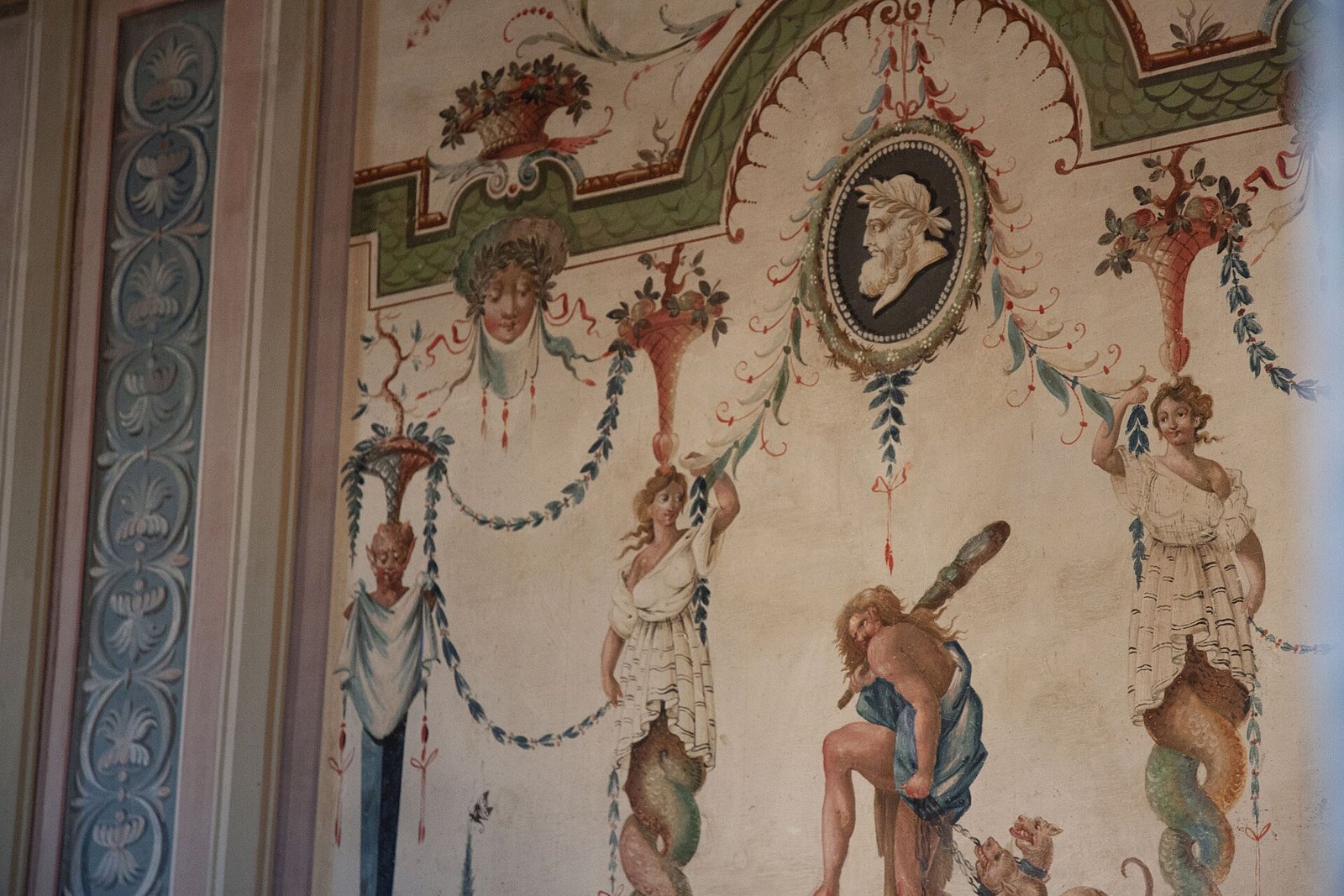
Set on a hill a short distance from Macerata, in the Potenza valley, Montecassiano is a harmonious medieval village that preserves intact its fortified layout, among the best preserved of the inland region. Founded around the year one thousand, it developed as a castle and free commune, girding itself with walls and organising itself around the central square, the heart of civil and religious life. Bound for centuries to the affairs of the Papal States and to nearby Macerata, whose fortunes it shared, the village preserves a compact and scenic historic centre, dominated by the beautiful porticoed square onto which the main civic and religious buildings face, in an urban setting of rare completeness. The walls, with their gateways and towers, bear witness to the community's defensive past, while the brick alleys climb towards the summit of the hill among courtyards and brick houses. Awarded the Orange Flag of the Touring Club, Montecassiano is today a peaceful hill village immersed in a landscape of gentle hills planted with wheat, vineyards and sunflowers, prized for the unity of its historic centre, for its artistic heritage and for the authentic atmosphere of its streets, where time seems to flow slowly. An ideal starting point for discovering the Macerata hinterland, it combines the quiet of the countryside with the richness of an ancient civic history, in a territory marked by parish churches, abbeys and old farmhouses scattered among the fields. On summer evenings the square and streets come alive with festivals, food fairs and popular re-enactments.
The heart of the village is the scenic Piazza Unità d'Italia, one of the most beautiful urban spaces in the Macerata area, onto which face the Palazzo dei Priori with its elegant portico and the Collegiata di Santa Maria Assunta, which preserves a fine Robbian altarpiece in glazed terracotta, a delicate masterpiece of enamelled colours. The square, enclosed and harmonious, forms a scenic ensemble that seems an open-air theatre. The porticoes, shady in summer, invite one to pause and exchange, according to an ancient habit of community life. Worth seeing are the castle walls with their gateways and towers, the church of Sant'Agostino and the noble palaces of the historic centre, with their terracotta portals and brick facades. Strolling among the alleys one comes upon evocative views, hidden courtyards, workshops and panoramas that range over the hills towards the Sibillini and the sea, changing colour with the seasons. In the surroundings open itineraries among the walled villages and abbeys of the Macerata area, among white gravel roads, farmhouses and rows of vines, ideal for cycle-tourism and walks. Its proximity to Macerata, with its celebrated Sferisterio, to Recanati, birthplace of Giacomo Leopardi, and to the Adriatic coast allows one to combine in a single journey walled villages, cities of art and hill landscape, in a territory rich in history, culture and traditions, where each town preserves its own heritage of churches, festivals and ancient flavours. On feast days the square once again becomes the natural stage of village life, among markets, processions and popular celebrations.
The cuisine of Montecassiano is the genuine fare of the Macerata hinterland, rich in handmade pasta and country flavours, tied to the rhythm of the seasons and to the produce of the countryside. The symbolic dish is vincisgrassi, the sumptuous ragù lasagne of tradition baked in many layers in the oven, together with tagliatelle, cappelletti in broth and passatelli, rolled out by hand according to the ancient family recipes. Among the second courses are roast meats, coniglio in porchetta flavoured with wild fennel and local cured meats, first of all the spreadable ciauscolo, accompanied by sheep's cheeses and field vegetables. There is no shortage of maccheroncini and dishes enriched with the truffle of the nearby hills, together with mushrooms and pulses. On feast days there also appears crescia sfogliata, cooked on the testo and filled with cured meats and field herbs, while homemade bread accompanies cured meats and cheeses. Giving character to the table are the wines of the Colli Maceratesi and Rosso Piceno, produced in the surrounding hills, fragrant whites and robust reds that accompany the whole meal. Among the desserts one enjoys fruit crostate, ciambelloni and traditional biscuits, often tied to the patronal festivals and seasonal rites. The village food fairs celebrate these typical products, offering the chance to rediscover the hospitality and authentic rhythms of the Marche countryside in the farmhouse restaurants and trattorias of the area, where the table remains a moment of sharing among simple, genuine flavours deeply rooted in the land.