Altitude
631 m a.s.l.
Coordinates
43° 22′ N
13° 13′ E


Altitude
631 m a.s.l.
Coordinates
43° 22′ N
13° 13′ E
Ufficio I.A.T. – Pro Loco Cingoli
Via Luigi Ferri, 17 (presso Porta Pia) – 62011 Cingoli (MC)
Opening hours: lun-ven 9.30-12.00 e 16.00-18.30; Saturday e festivi 9.30-12.30 e 16.00-19.00
Tel.: 0733 602444
email info@prolococingoli.it
website www.prolococingoli.it
Comune di Cingoli
Piazza Vittorio Emanuele II, 1 – 62011 Cingoli (MC)
Opening hours: lun 10.00-13.00 e 15.30-18.00; mar, mer e ven 10.00-13.00; gio 15.30-18.00; sab 9.00-13.00
Tel.: 0733 601903
email info@comune.cingoli.mc.it
PEC: protocollo@pec.comune.cingoli.mc.it
website www.comune.cingoli.mc.it
Take a look at some photos of the town
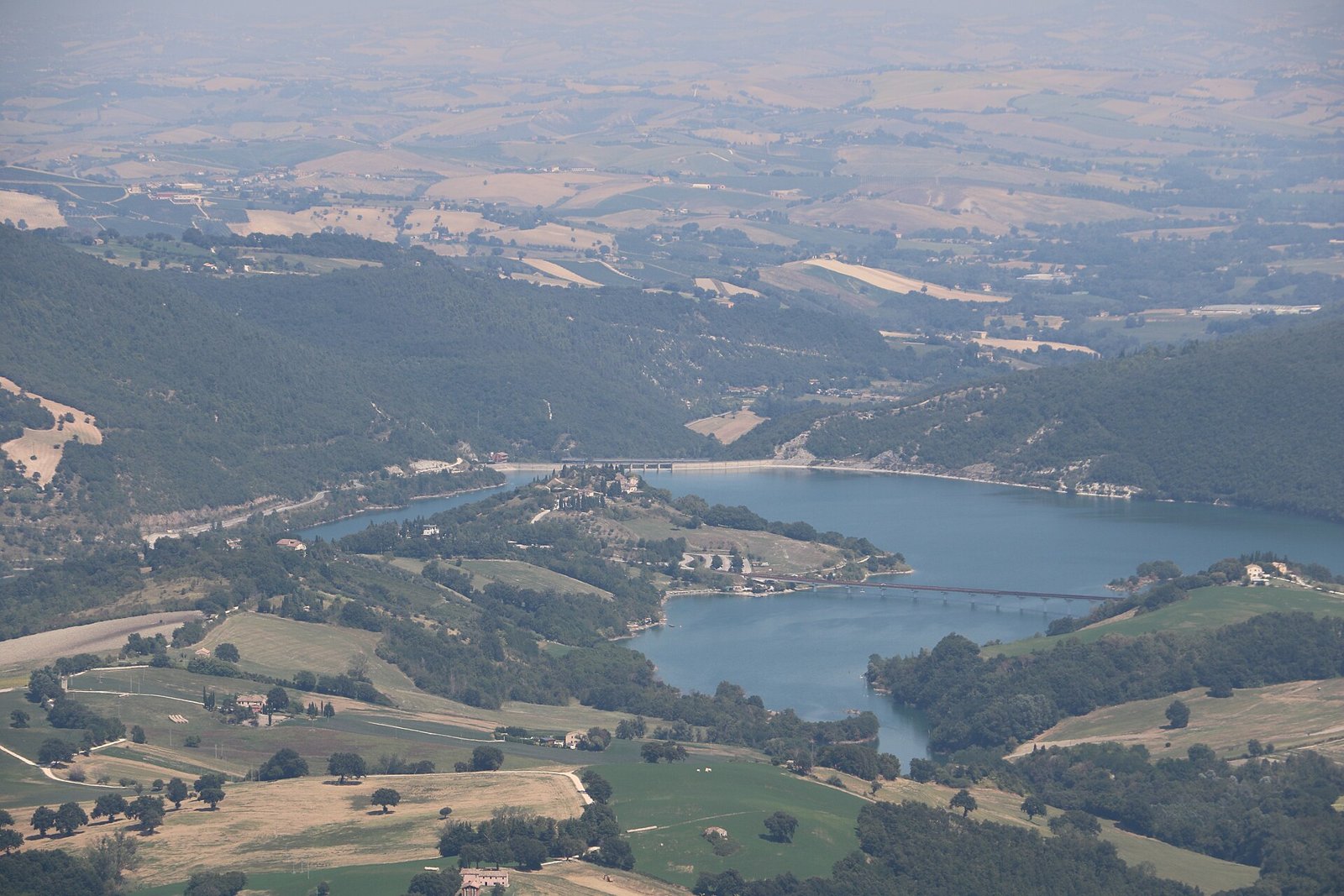
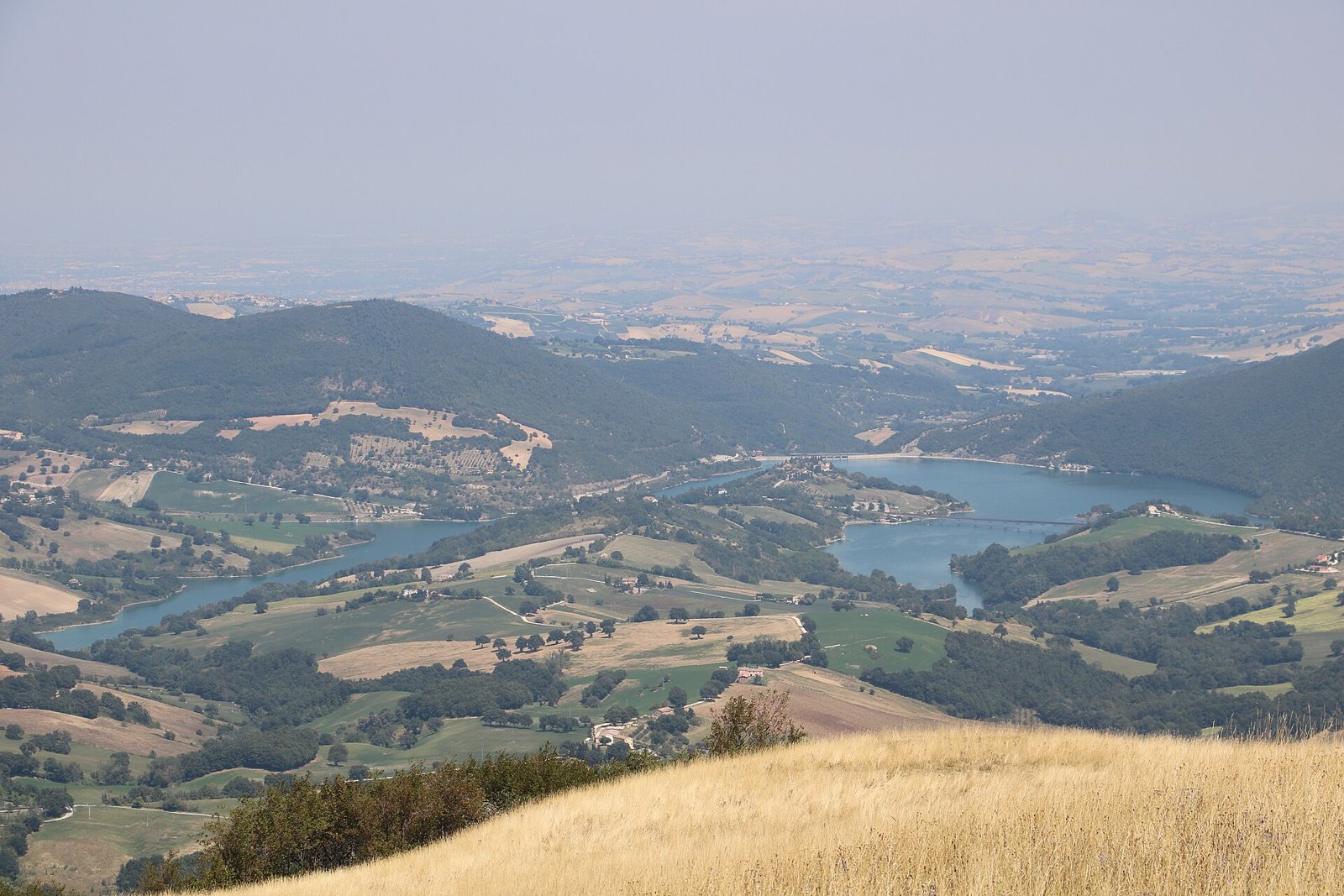
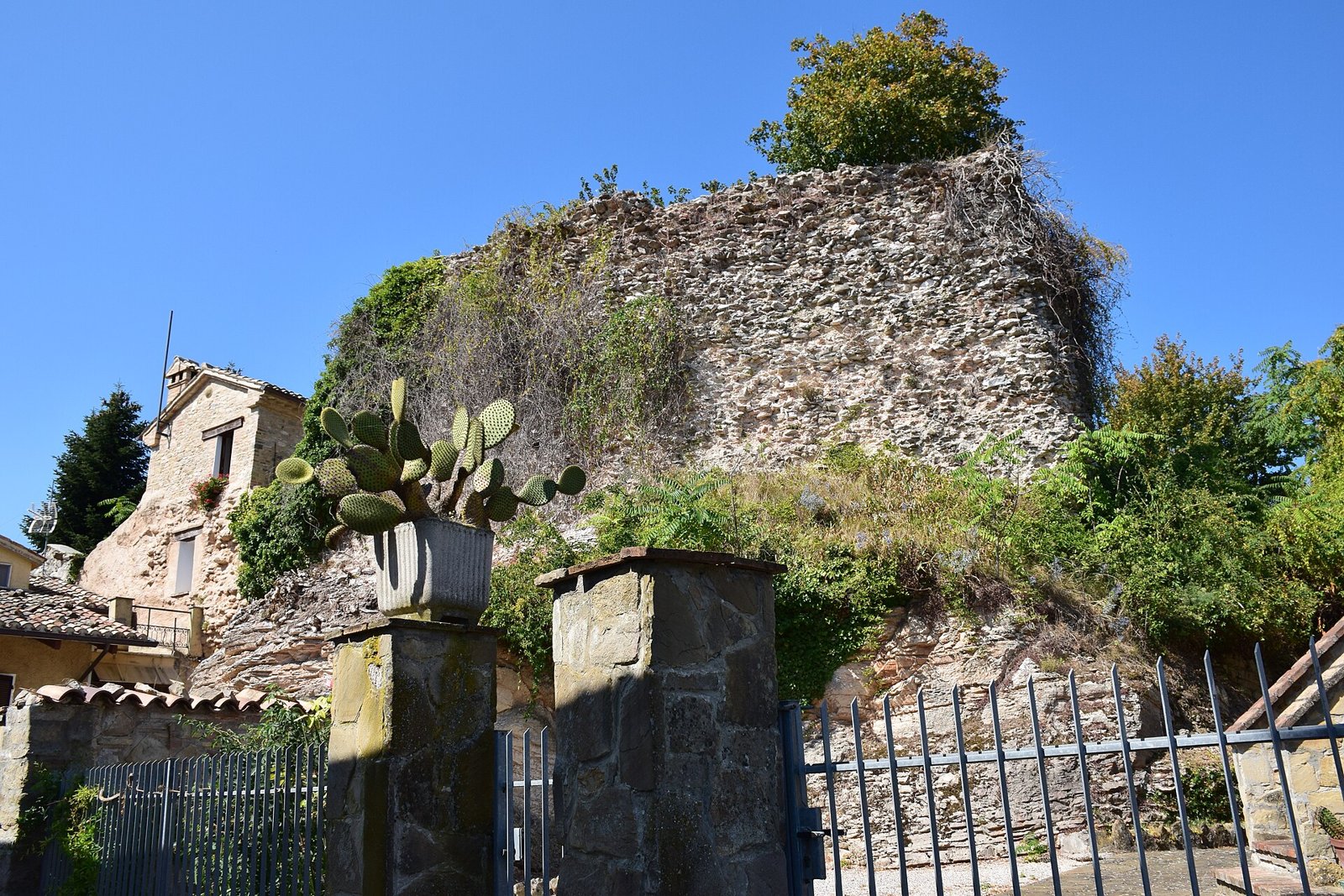
Perched at 631 metres on the ridge of the Circe hill, in the province of Macerata, Cingoli is known as the Balcony of the Marche: from its belvedere the gaze embraces the Musone valley, the waters of Lake Castreccioni and a horizon that, on clear days, stretches from the Conero promontory and the Adriatic all the way to the snow-covered profiles of the Gran Sasso and the Sibillini Mountains. Its origins reach deep into antiquity: the town is the heir of the ancient Cingulum, a Roman municipium linked to the figure of Titus Labienus, Caesar's lieutenant, who is said to have had the fortress built here. From the mid-sixth century the city was the seat of a diocese led by Bishop Saint Esuperanzio, who later became the town's patron, and in the Middle Ages it experienced the era of the free Commune before falling within the orbit of the Papal States. Its bond with pontifical history is profound: it was in Cingoli, into the noble Castiglioni family, that Francesco Saverio Castiglioni was born, who in 1829 ascended the throne of Peter with the name of Pius VIII. In his honour, in 1835, the scenic Porta Pia was raised. Having passed through the centuries, the town has preserved its medieval layout intact, with town gates, churches and patrician palaces that recount a past of faith and power. Girded by walls and stone alleyways, its historic centre of rare compactness earned it in 2026 the title of Borgo dei Borghi (Village of Villages): a destination that unites art, memory and landscape, between the austere charm of the hinterland and the gentleness of the Marche hills.
The heart of Cingoli is discovered by strolling among the paved streets of the historic centre, amid towers, noble palaces and panoramic views that justify the epithet Balcony of the Marche. The city's symbol is the Collegiate Church of Sant'Esuperanzio, built from the thirteenth century onwards in sandstone and pink breccia: the Romanesque-Gothic facade introduces an interior that preserves frescoes, sculptures and valuable works of art. An essential stop is the Palazzo Comunale, which safeguards the masterpiece by Lorenzo Lotto, the Madonna of the Rosary of 1539, in which the Venetian painter depicted Cingoli itself in a surprisingly realistic view, almost a photograph of the sixteenth-century village. The visit continues in the State Archaeological Museum, which gathers the finds from the nearby Moscosi site dating to the Bronze Age, and in the municipal Pinacoteca named after Donatello Stefanucci. Among the testimonies of the bond with Pius VIII stand out the monumental Porta Pia, raised in 1835, and the palace where the pontiff was born. Numerous are the churches and places of worship scattered throughout the urban fabric, and walking among alleyways, squares and panoramic gardens reveals the harmony of a village that has remained faithful to its own historic dimension. A short distance away, the great Lake Castreccioni, the most extensive artificial body of water in the Marche, offers walks, sport and quiet immersed in greenery. At sunset, from the town's belvederes, the panorama over the Adriatic and the mountains offers one of the most memorable spectacles in the entire region.
The table of Cingoli recounts the rural soul of the Marche hinterland, made of honest flavours and long-standing traditions. The absolute protagonist is ciauscolo, a soft, spreadable and fragrant pork salume which here has obtained its own Municipal Denomination, flanked by a rich variety of local cured meats and sausages. From the hills comes a fine extra-virgin olive oil, obtained also from the rare Mignola olive, while the vegetable gardens offer the cardoon, the gobbo that is among the protagonists of Macerata cuisine. Among the typical dishes there is no shortage of calcioni and pizza di formaggio, a preparation linked to the festivities, alongside the great classics of the regional tradition such as vincisgrassi, a rich baked lasagne, and meats cooked in umido according to ancient recipes. The finale is entrusted to the sweets, keepers of centuries-old memories: the serpe, the filled cavalluccio and the ciambella happily accompany a glass of local wine. The surrounding hills, lying between the Colli Maceratesi and the nearby Vallesina, produce fragrant whites such as Verdicchio and Maceratino, together with harmonious reds ideal for accompanying cheeses and cured meats. Osterie, trattorie and agriturismi offer these specialities in a convivial atmosphere, often enhanced by the festivals that mark the seasons: sitting down to eat in Cingoli means savouring, in every course, the landscape, the history and the genuineness of a village that has made good cuisine a defining trait.