Altitude
276 m a.s.l.
Coordinates
43° 33′ N
12° 39′ E


Altitude
276 m a.s.l.
Coordinates
43° 33′ N
12° 39′ E
Ufficio IAT - Informazione e Accoglienza Turistica
Via Alessandri 4, 61043 Cagli (PU)
Tel.: 0721 780773
email iat.cagli@gmail.com
website www.visitcagli.it
Comune di Cagli
Piazza Matteotti 1, 61043 Cagli (PU)
Opening hours: lun-ven 9.00-13.00; Tuesday and Thursday anche 15.30-17.30 (chiusura pomeridiana dal 1° luglio al 31 agosto)
Tel.: 0721 78071
email municipio@comune.cagli.ps.it
PEC comune.cagli@emarche.it
website comune.cagli.ps.it
Take a look at some photos of the town
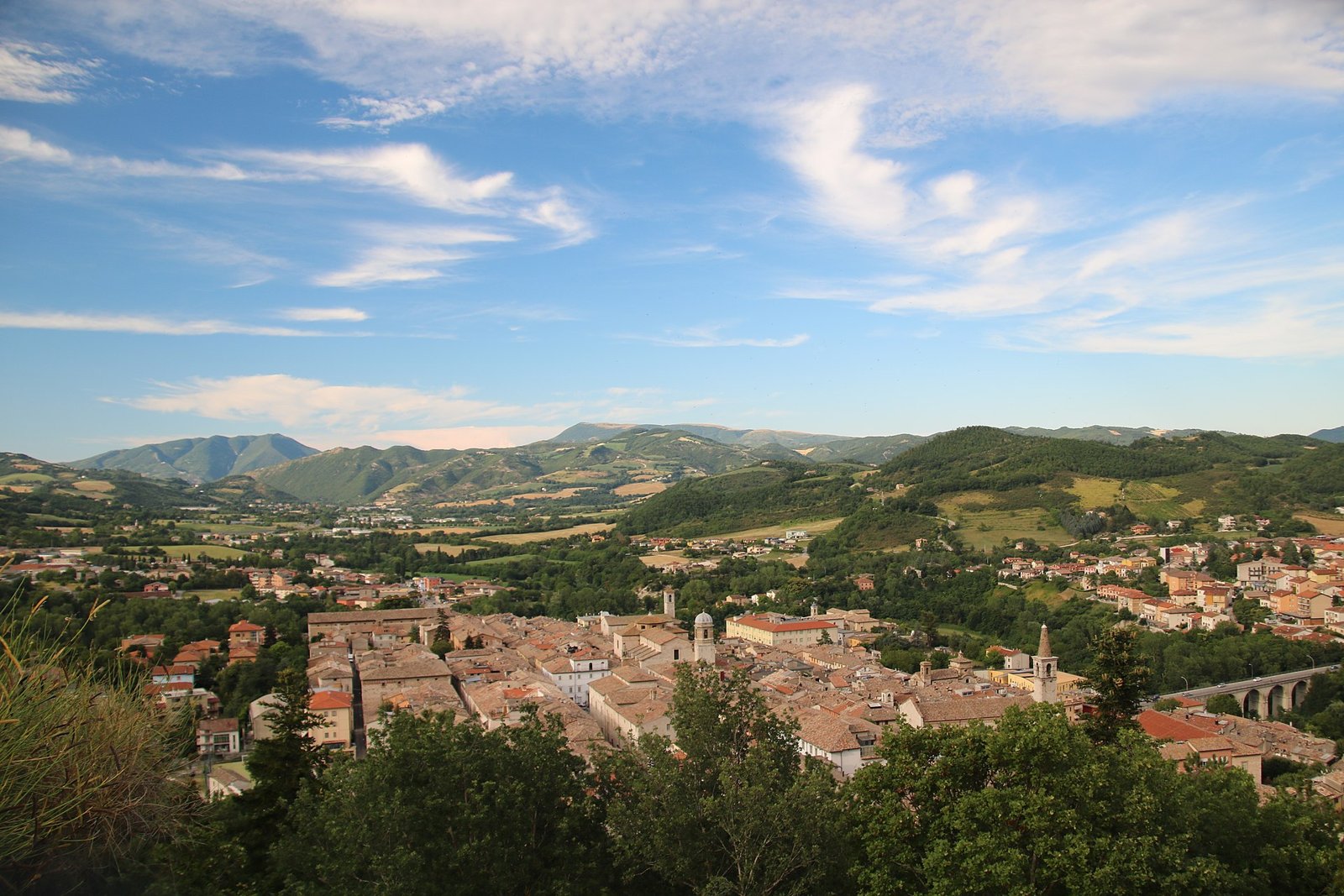
Nestled in the heart of the Umbrian-Marche Apennines, at the meeting point of the Bosso and Burano streams and at the foot of the Catria, Nerone and Petrano massifs, Cagli guards a long and layered history. Its origins date back to the ancient Cale, a Roman station along the consular Via Flaminia that linked Rome to Rimini, of which the territory preserves remarkable evidence. A natural crossroads between the Adriatic and Umbria, the town owes much of its fortune precisely to its control of this ancient thoroughfare. Having become one of the strongholds of the Pentapolis in the Byzantine era, the city established itself towards the end of the 12th century as a free Comune, extending its authority over dozens of surrounding castles. A ruinous fire in 1287 forced the reconstruction of the town further down the valley, following a regular grid layout attributed to Arnolfo di Cambio and promoted by Pope Nicholas IV. Towards the end of the 14th century Cagli entered the orbit of the Montefeltro of Urbino, who made it a strategic stronghold: in 1481 Duke Federico da Montefeltro entrusted Francesco di Giorgio Martini with the construction of a powerful fortress, celebrated by the architect himself as the first of his strongholds. Later passing to the Papal States, it long retained its role as a nerve centre of the Legation of Urbino. Today the village, with its compact medieval fabric and elegant palazzi, presents itself as a small capital of art set among mountains, woods and waters, an ideal starting point for excursions into the Monte Catria, Nerone and Petrano nature park.
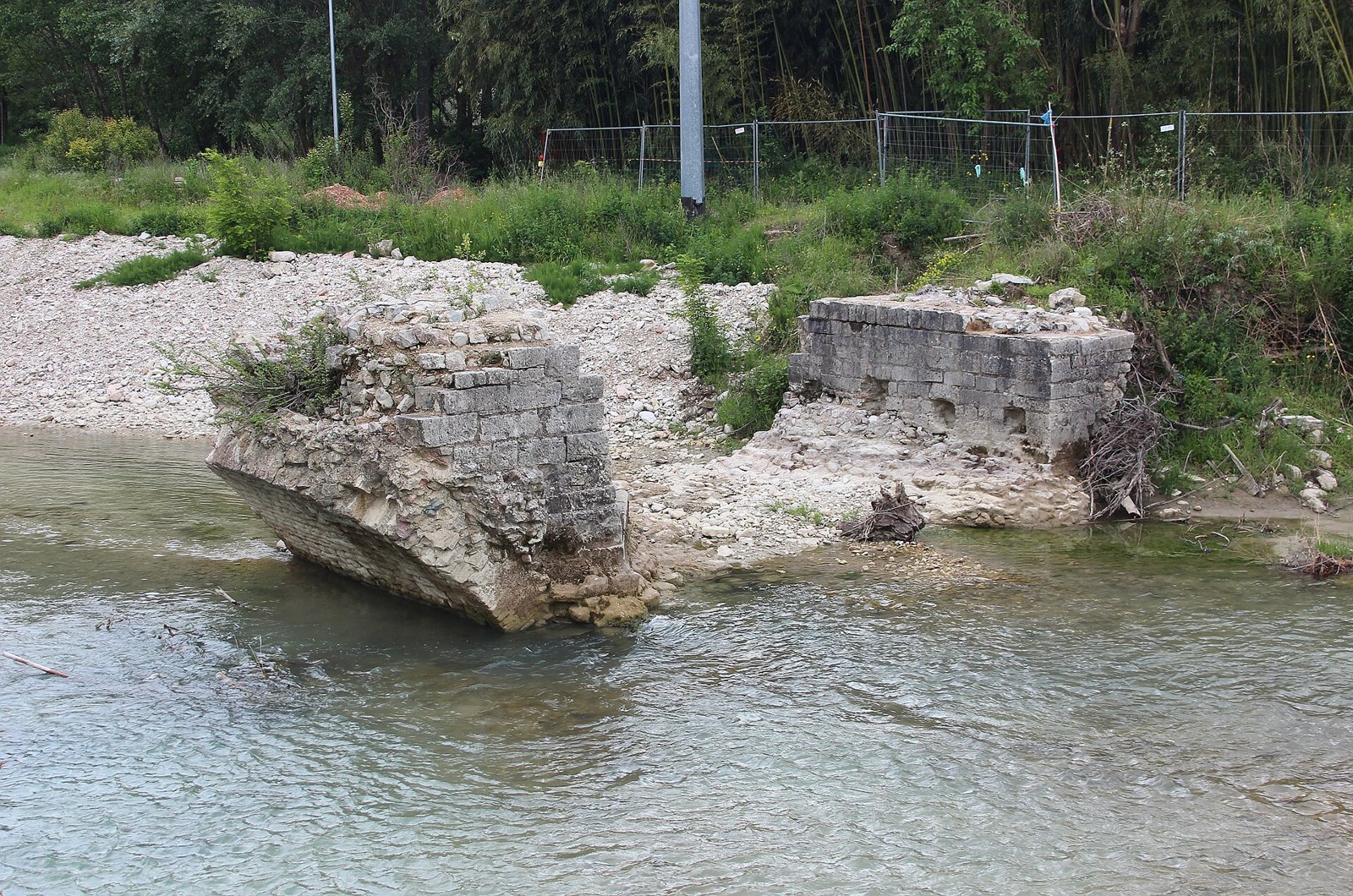
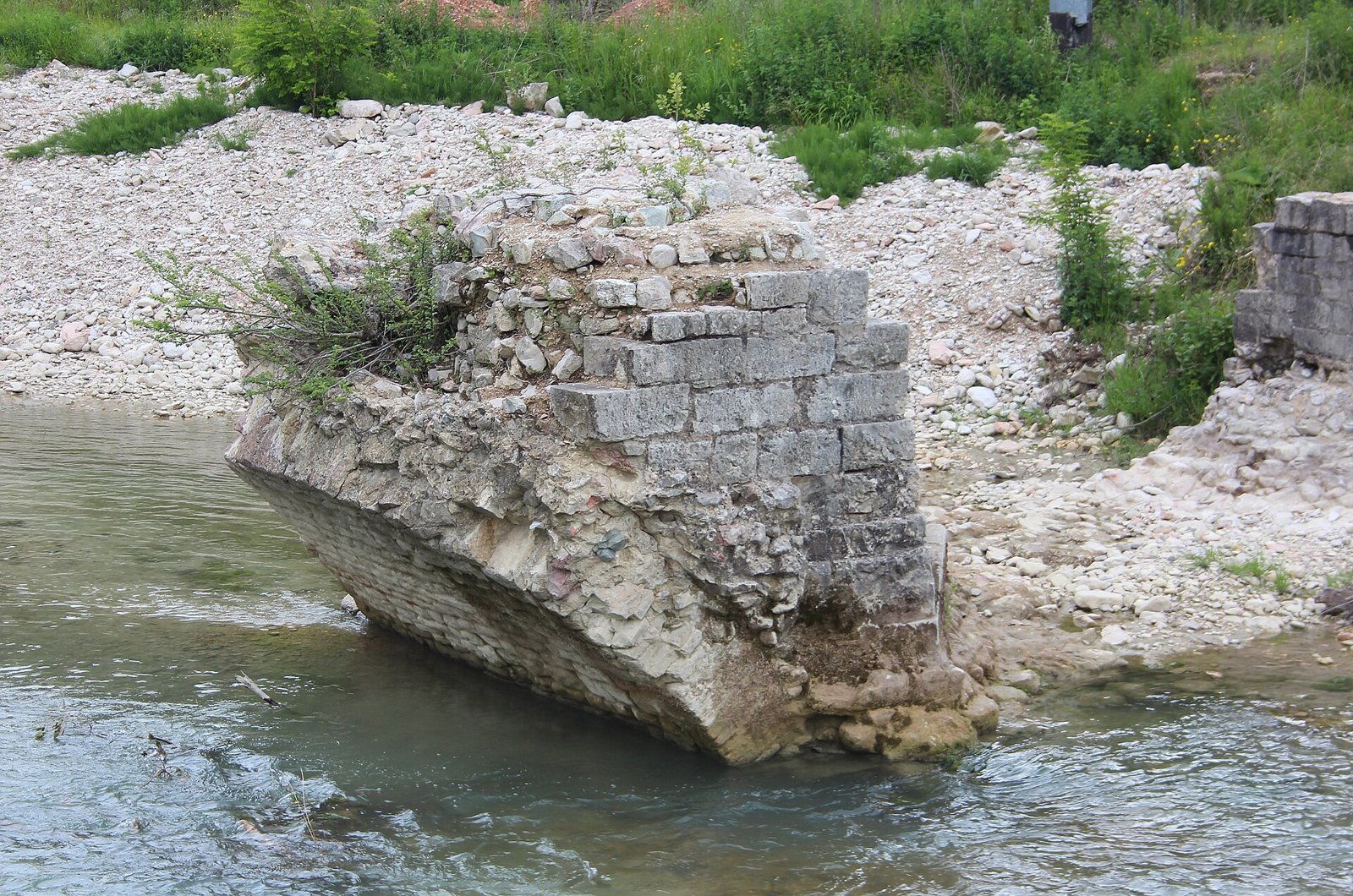
The face of Cagli reveals itself as you stroll through the alleys and squares of the historic centre, dominated by the Torrione Martiniano, an extraordinary work of military architecture designed in 1481 by Francesco di Giorgio Martini for Federico da Montefeltro. From the imposing elliptical bastion, today home to the Centre of Contemporary Sculpture, you descend along the famous soccorso coperto, an underground gallery of more than three hundred and sixty steps that once connected it to the vanished fortress. In the heart of the town stands the Palazzo Pubblico, of medieval origin, which houses the Museum of Archaeology and the Via Flaminia. Just outside the centre rises the Ponte Mallio, a monumental Roman work of the Republican era with a single great arch formed of dry-laid stone blocks, among the most imposing along the entire Flaminian route. Worth a stop are the co-cathedral of Santa Maria Assunta, reworked several times over the centuries, and the town's numerous churches: San Domenico, which holds frescoes by Giovanni Santi, father of Raphael, and San Francesco, of Gothic form. Bearing witness to the town's lively cultural life is the Teatro Comunale, an elegant Italian-style hall begun in 1871 and inaugurated in 1878. Completing the picture are the noble palazzi, the fountains and the porticoes of the town, while all around open the trails of the Catria, Nerone and Petrano mountains, among beech woods, waterfalls and plateaus that invite trekking and the discovery of the most authentic nature.
The table of Cagli tells the Apennine soul of the Marche, made of frank flavours and generous products that the woods of Catria and Nerone offer as the seasons change. The undisputed queen is truffle cuisine, which in this territory is gathered in several varieties throughout the whole year, the star of simple and memorable dishes such as hand-pulled tagliatelle or the classic uovo al tegamino. Alongside the prized tuber there is room for mushrooms, first among them porcini, and the game of the highlands, from wild boar to venison, cooked according to ancient peasant recipes. The tradition of homemade pasta is expressed in passatelli and cappelletti served in broth, in tagliatelle and in pasta dressed with tasty ragùs. There is no shortage of the local cured meats and cheeses, from mountain pecorino to Casciotta d'Urbino, nor of the fragrant crescia sfogliata, a kind of layered focaccia typical of the Urbino hinterland, served with cold cuts and field herbs. Woodland fruits, chestnuts from the slopes of Nerone and mountain pulses enrich a simple and sincere larder. To round off the meal come the traditional desserts and the wines of the Marche hills, such as Bianchello del Metauro, while extra-virgin olive oil and mountain honey scent many preparations. To sit down to table in Cagli thus means rediscovering the slow rhythms of a generous land, where every dish preserves the authentic flavour of the mountains and their most ancient traditions.