Altitude
463 m a.s.l.
Coordinates
43° 5′ 7.26″ N
13° 43′ 0.48″ E


Altitude
463 m a.s.l.
Coordinates
43° 5′ 7.26″ N
13° 43′ 0.48″ E
Via Trento e Trieste, 1
63825 Monterubbiano (FM)
Italy
Tel.: +(39) 0734.257396
Fax: +(39) 0734.59677
www.comune.monterubbiano.fm.it
turismomonterubbiano@libero.it
Contact person
Maria Teresa MIRCOLI
Tel.: +(39) 0734.259980
Fax: +(39) 0734.59677
monterubbiano@ucvaldaso.it
Via Trento e Trieste, 1
63825 Monterubbiano (FM)
Italy
Tel.: +(39) 0734.259980
Fax: +(39) 0734.59677
Take a look at some photos of the town
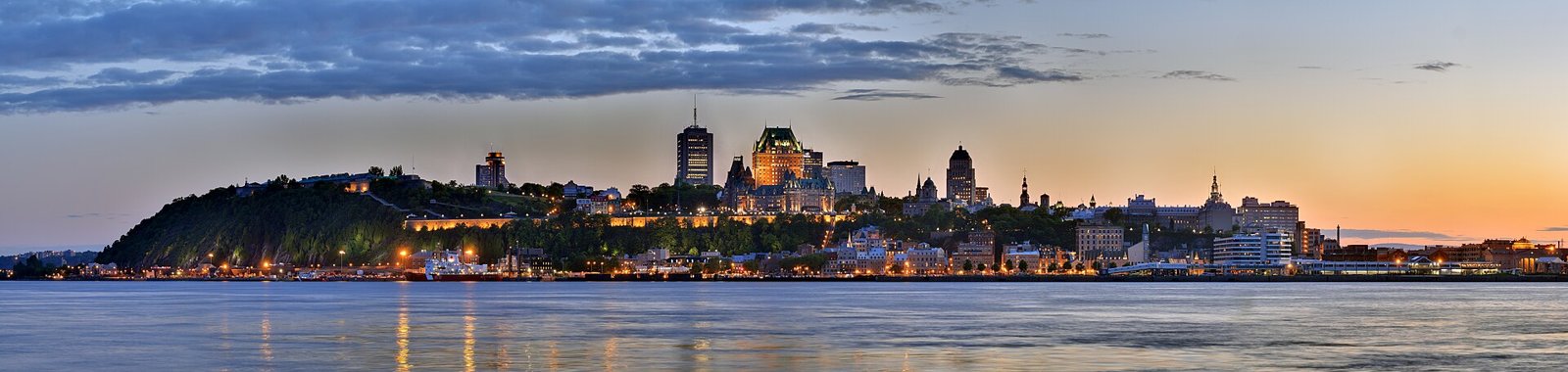
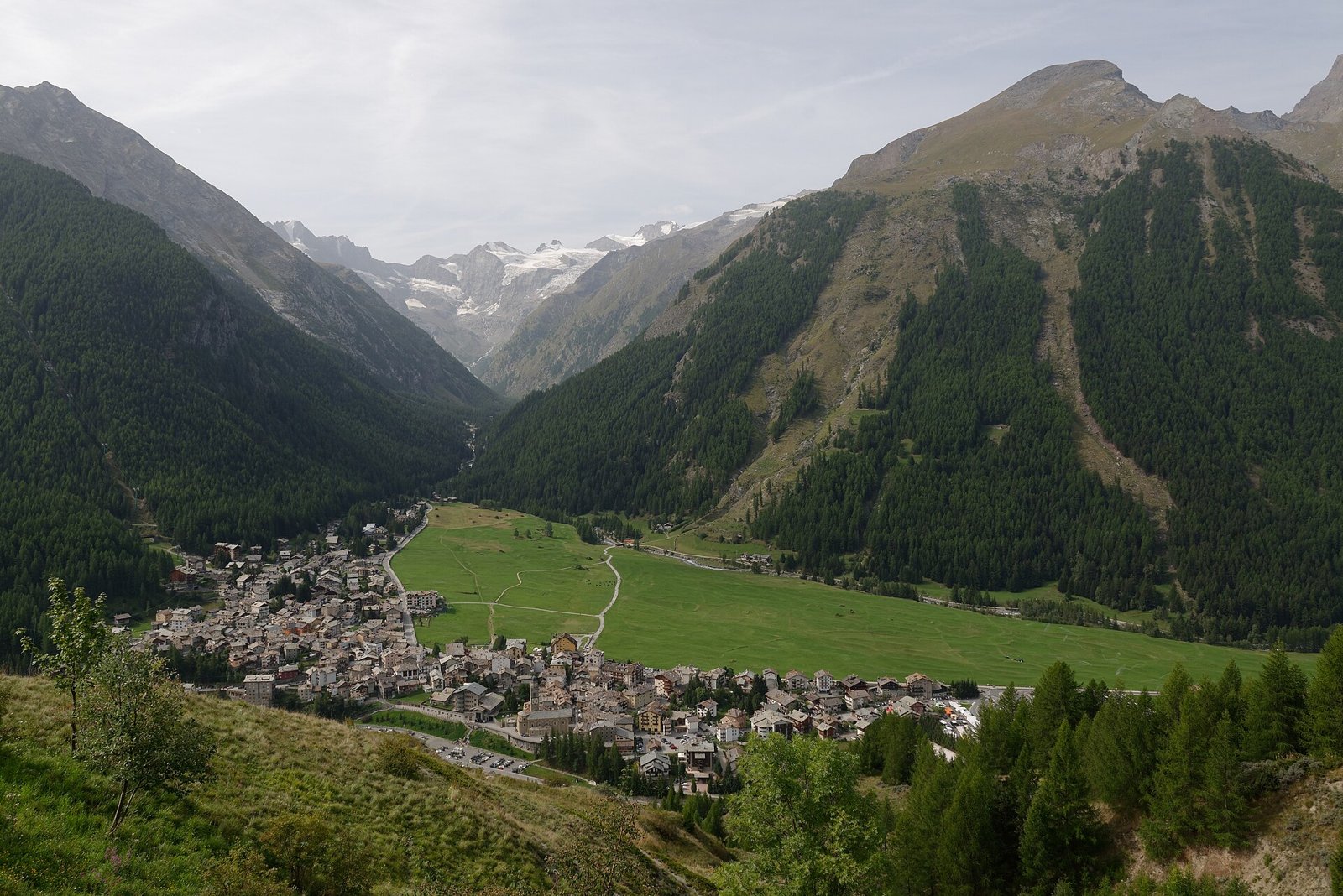
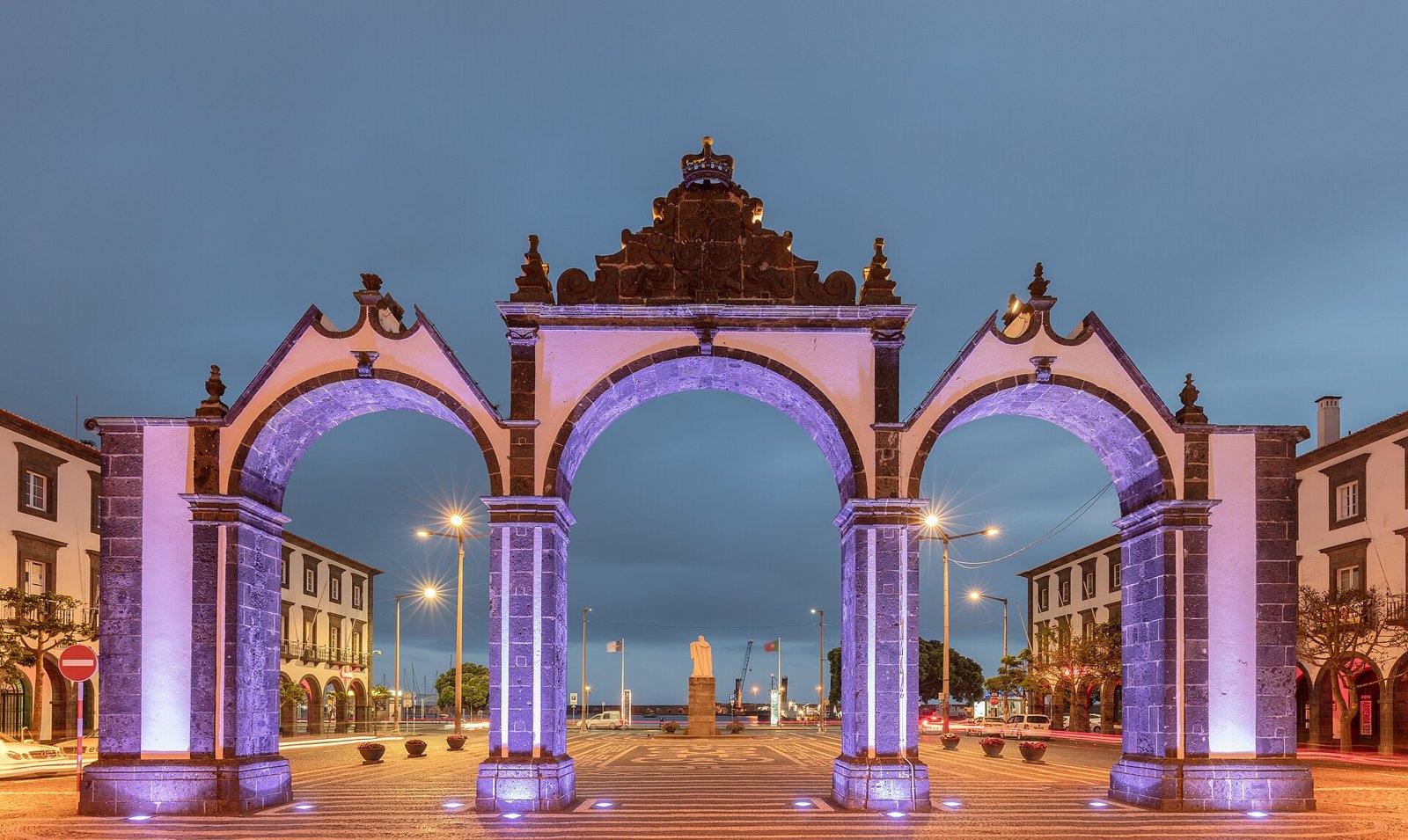
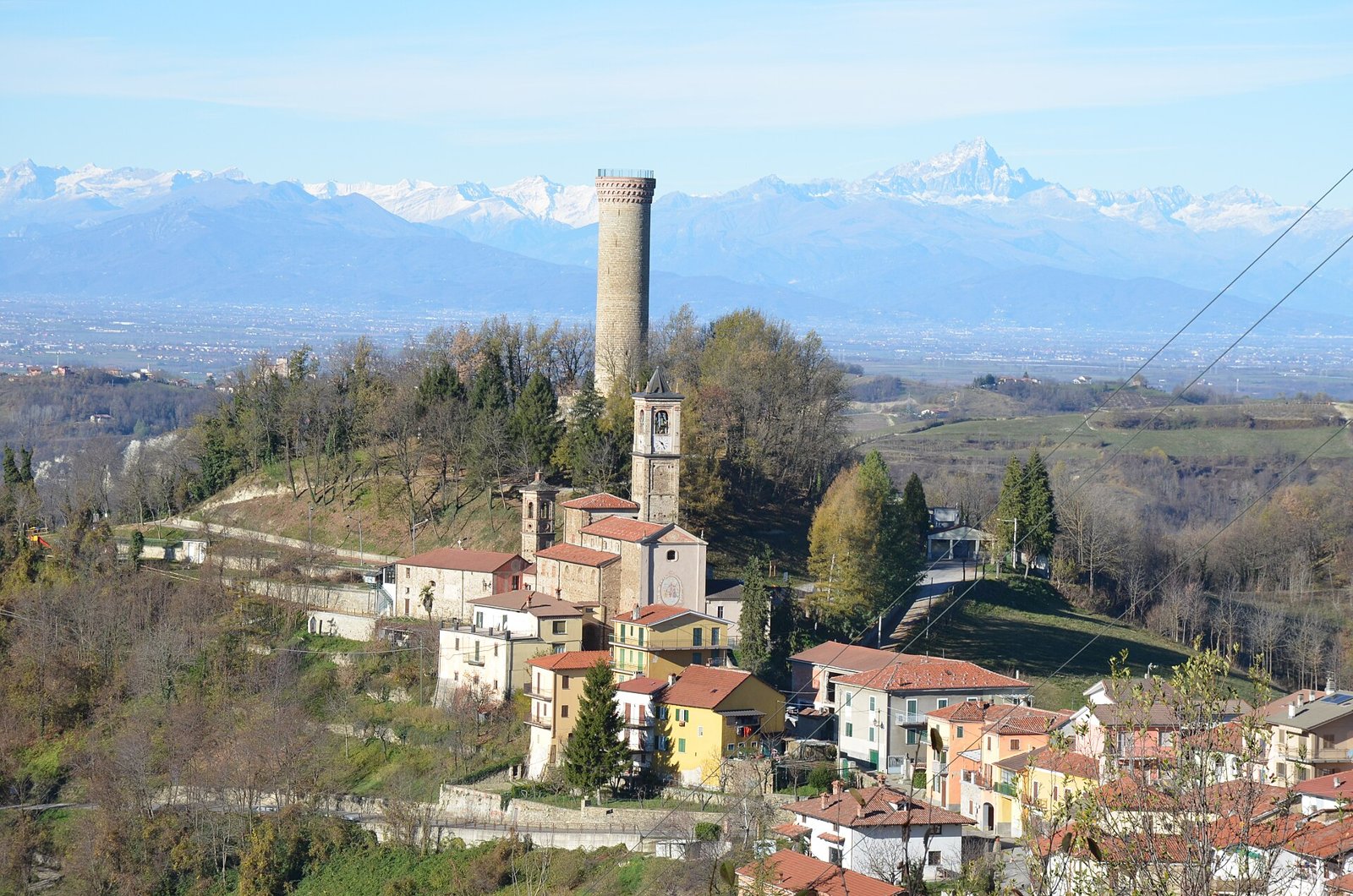
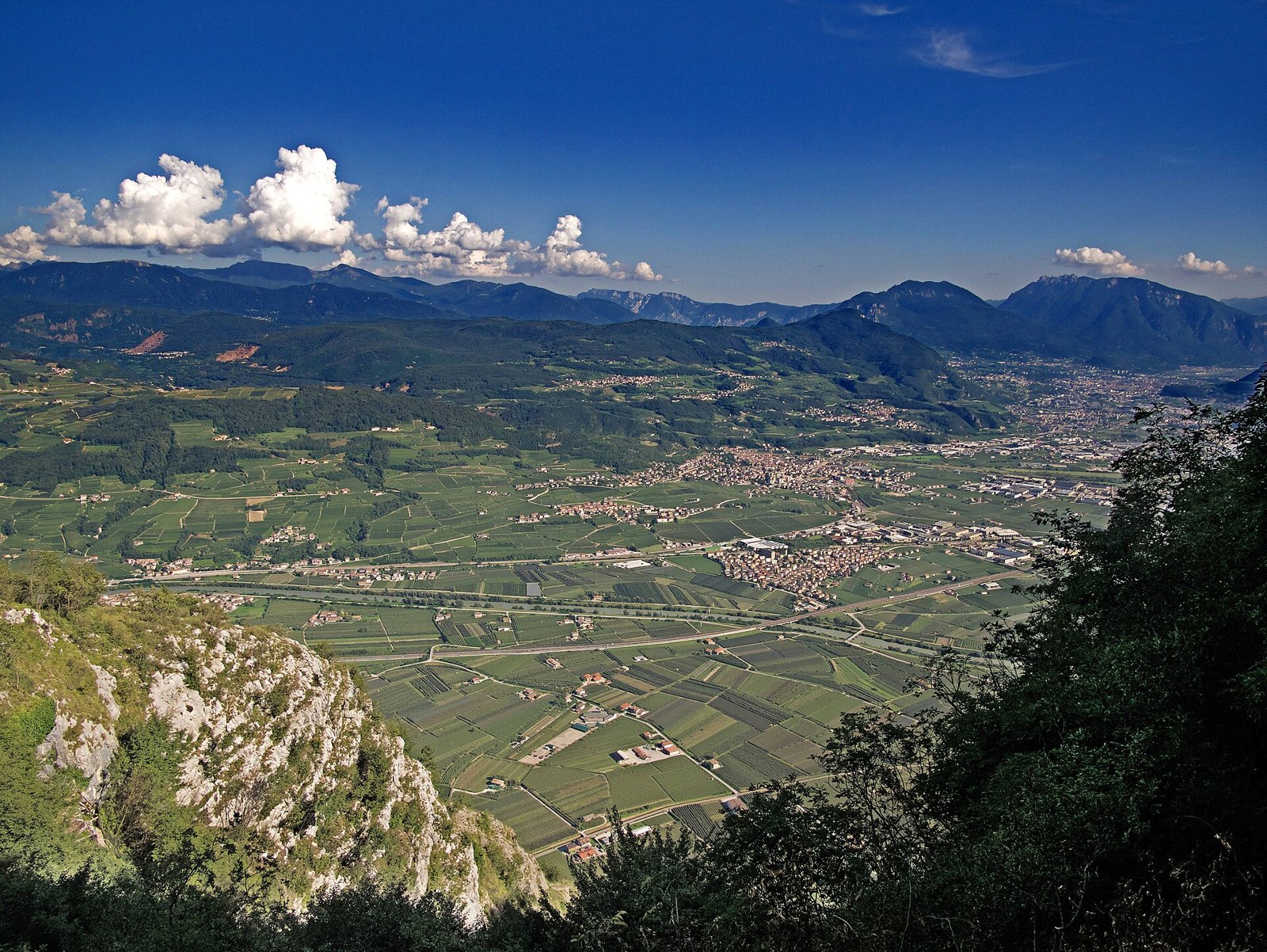
Set on a panoramic hill in the Aso valley, in the Fermo area, Monterubbiano dominates a wide territory that slopes gently down from the Sibillini towards the Adriatic. Of very ancient origins, attested by pre-Roman finds, the village developed in the Middle Ages as a castle and free commune, girding itself with walls and organising itself around the central square, the heart of civil and religious life. Bound for centuries to the affairs of the Papal State, it preserves a compact and harmonious historic centre, with noble palaces, churches and alleys that recount its long past. The walls, with their gates and towers, bear witness to the community's defensive vocation, having grown in a strategic position controlling the routes between the mountains and the sea. The surrounding landscape, made of fields, vineyards and orchards, reflects a deep-rooted agricultural tradition handed down over the centuries. Awarded the Orange Flag of the Touring Club, Monterubbiano is today a quiet hill village famous for the ancient spring festival of "Sciò la Pica", which has its roots in legends linked to the origins of the Piceno people, and prized for its historical and artistic heritage, for its museums and for its panoramic position suspended between the mountains and the sea of the Piceno. To stroll through its streets means to rediscover the slow and authentic pace of the Marchigian villages, where history, nature and popular traditions intertwine in a balance of rare harmony, carefully guarded by its community.
The heart of the village is the central square, onto which face the Town Hall and the theatre, symbolic places of town life. Worth seeing is the San Francesco museum complex, which brings together the picture gallery, the archaeological museum and the civic collections, with finds that recount the long history of the territory, from the pre-Roman evidence to the modern age. Numerous churches preserve paintings, altars and works of sacred art, while the castle walls with their gates and towers offer panoramic walks along the ancient defensive perimeter. The urban park and the viewpoints offer wide panoramas ranging from the Monti Sibillini as far as the Adriatic, in a succession of cultivated hills that change colour with the seasons. In the surroundings, itineraries open up along the Aso valley, among villages, vineyards and orchards renowned for the production of peaches and other fruit, and towards the coast of Fermo and Piceno, rich in beaches and seaside resorts. The surrounding hills, traced by rows of vines and olive groves, invite itineraries on foot and by bicycle among bright views and scattered farmhouses. The historic festival of "Sciò la Pica", of ancient origin, animates the village in spring with processions, costumes and re-enactments that renew the bond with its Piceno roots. Monterubbiano is an ideal starting point for discovering the Fermo area, between hills, sea and popular traditions, uniting in just a few kilometres art, landscape and the genuine hospitality of its people, in a territory that knows how to win over the visitor with its discreet and authentic measure.
The cuisine of Monterubbiano is the flavoursome fare of the Piceno and Fermo areas, poised between hills and sea. The signature dish is maccheroncini di Campofilone, the very fine egg pasta typical of the territory, together with tagliatelle, vincisgrassi and cappelletti in broth, the stars of festive tables. Not to be missed are the famous olive all'ascolana, olives stuffed with meat, breaded and fried, the local cured meats such as ciauscolo and the sheep's cheeses, with their bold flavour. Among the main courses are roast meats, game and, thanks to the nearness of the coast, the fish of the Adriatic, from the fragrant brodetto to fritture di paranza. Field vegetables, extra virgin olive oil and the fruit of the Aso valley, renowned for its peaches and apricots, to be enjoyed fresh or turned into jams and preserves, complete a generous table that unites the gifts of the land with those of the sea. Giving character to the dishes are the wines of the territory, from the fresh Falerio to the robust Rosso Piceno, produced in the surrounding hills. Among the desserts are crostate, ciambelloni and the sweets of the festivals, often linked to the calendar of celebrations. The village festivals and historical re-enactments offer the chance to savour these typical products in a convivial atmosphere, among the trattorias of the village and the farm holiday inns of the hills, where genuine hospitality and authentic flavours recount the identity of a fortunate land, able to preserve and enhance its ancient gastronomic traditions.