Altitude
246 m a.s.l.
Coordinates
43° 19′ N
13° 35′ E


Altitude
246 m a.s.l.
Coordinates
43° 19′ N
13° 35′ E
Ufficio Turistico / Pro Loco Morrovalle
Via Mazzini 31/33, 62010 Morrovalle (MC)
Tel.: 0733 222913
email prolocomorrovalle@virgilio.it
Comune di Morrovalle
Piazza Vittorio Emanuele II 1, 62010 Morrovalle (MC)
Opening hours: lun, mer e ven ore 10:30-13:30
Tel.: 0733 223101
email comune@comune.morrovalle.mc.it
PEC comune.morrovalle.mc@legalmail.it
website www.comune.morrovalle.mc.it
Take a look at some photos of the town
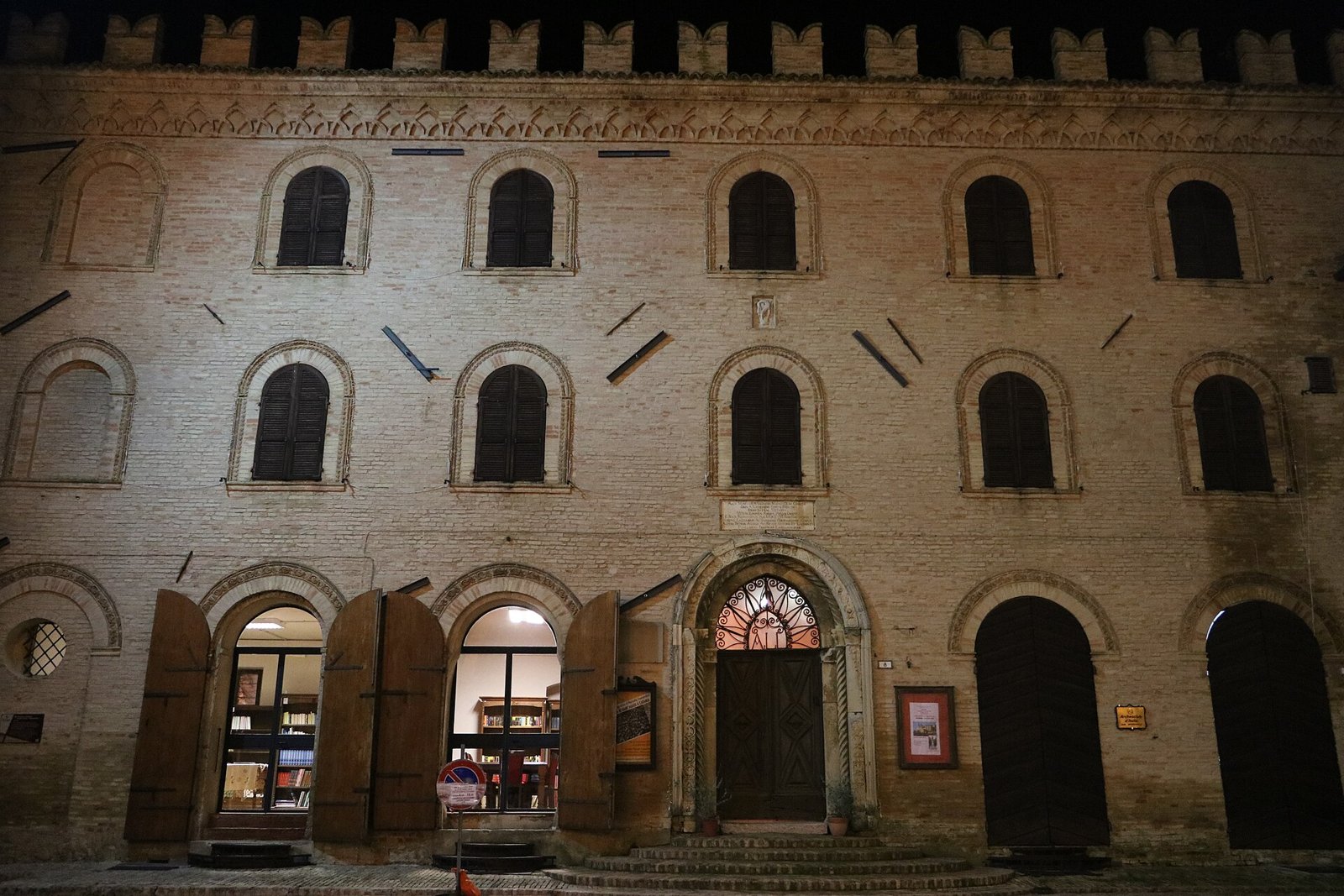
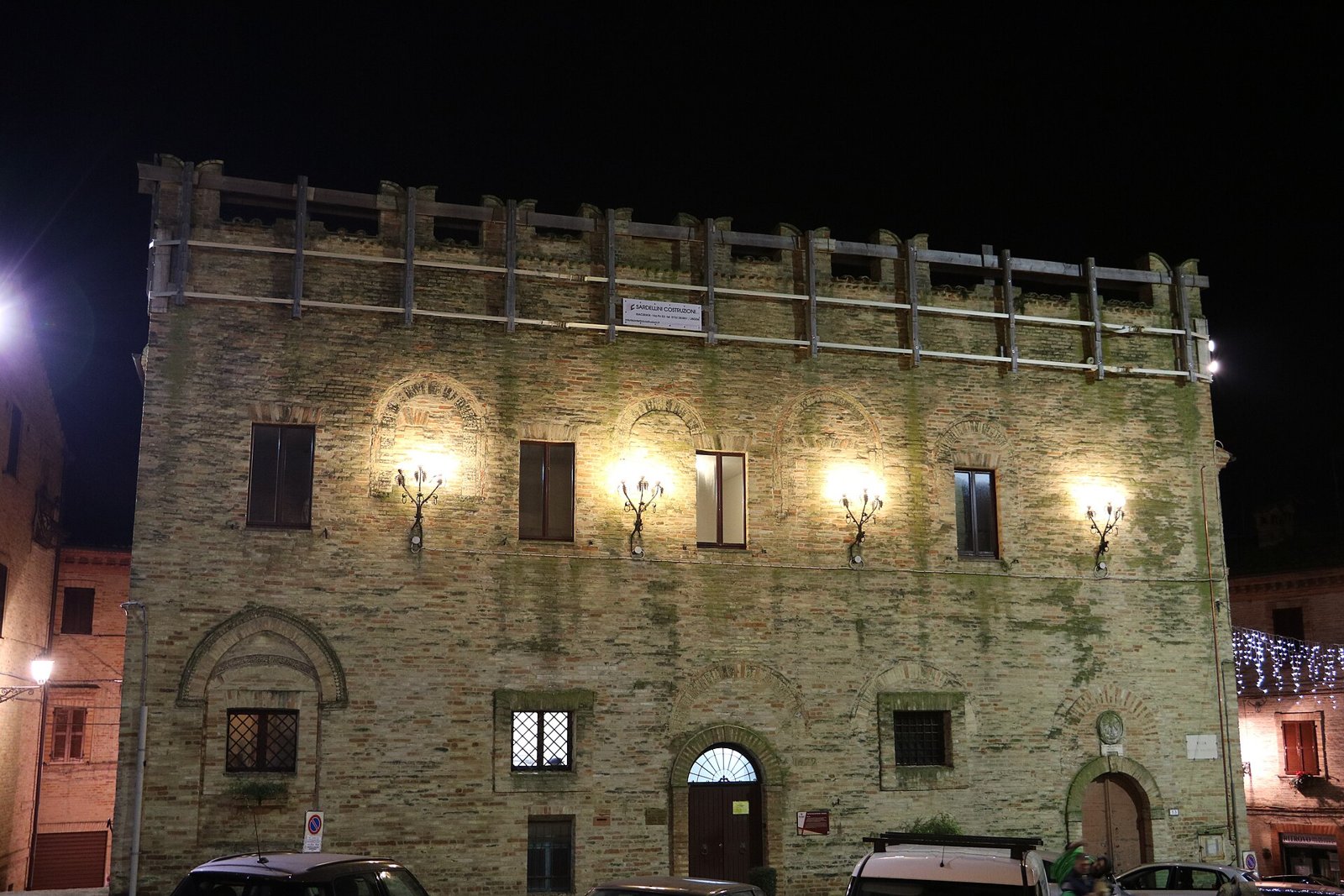
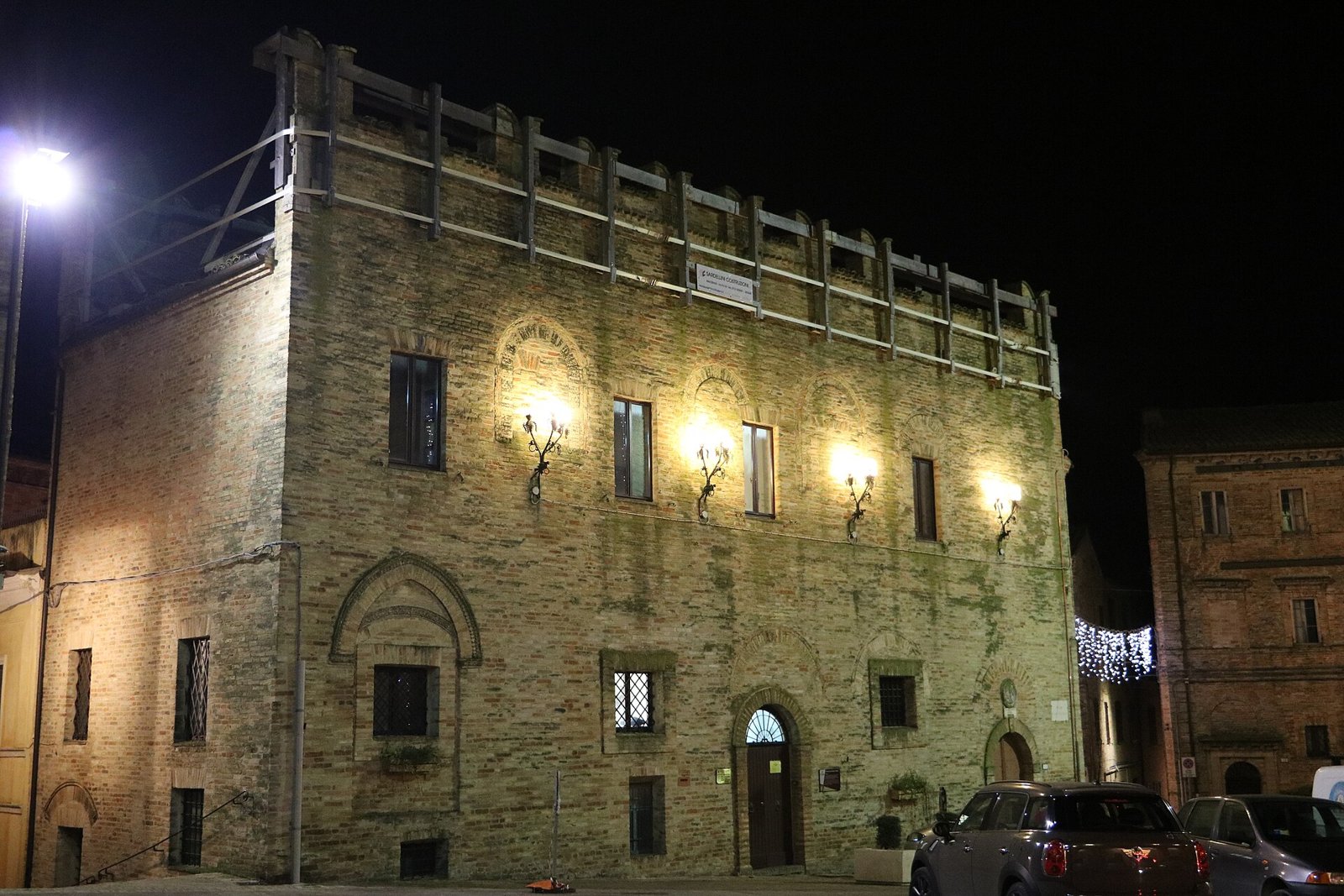
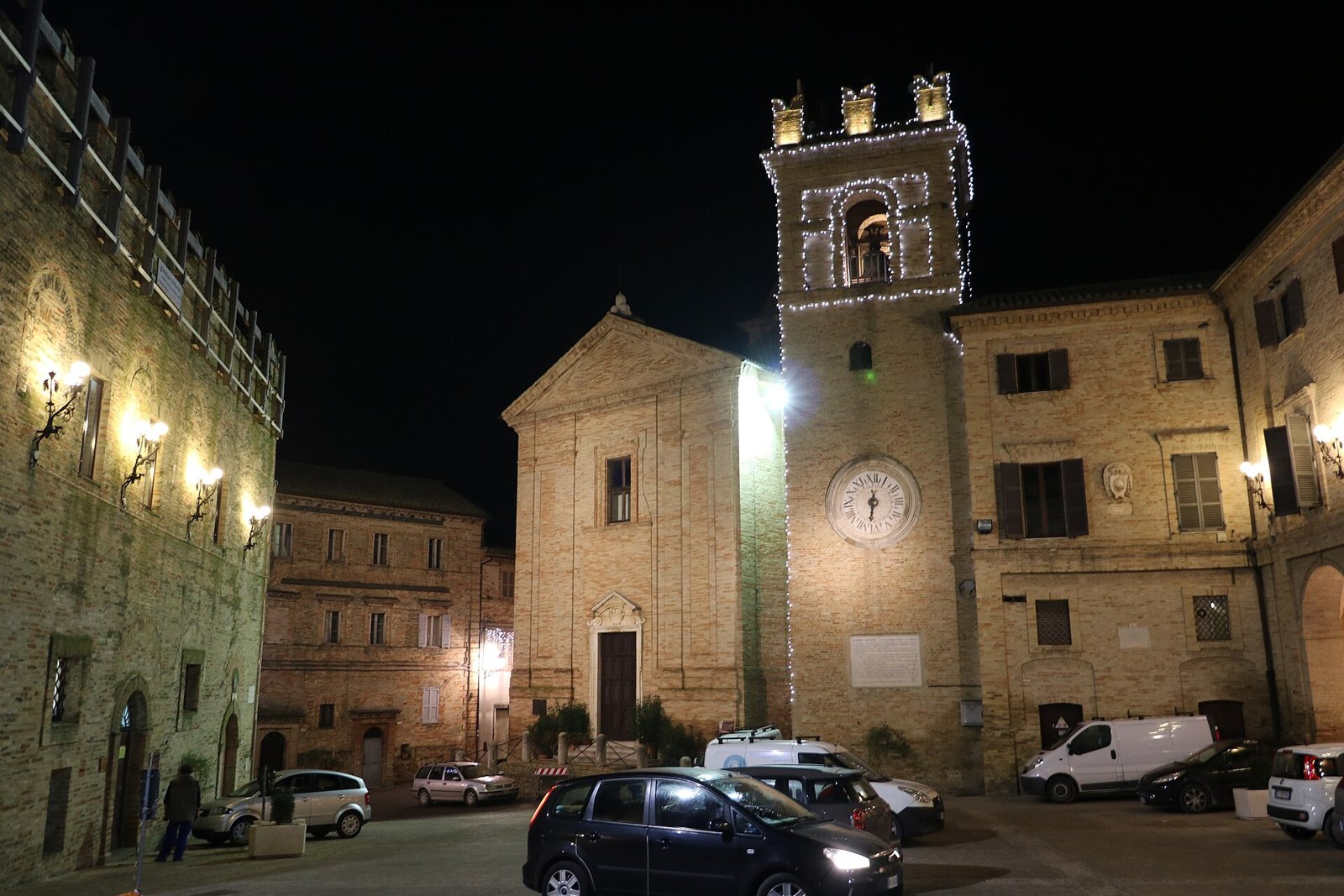
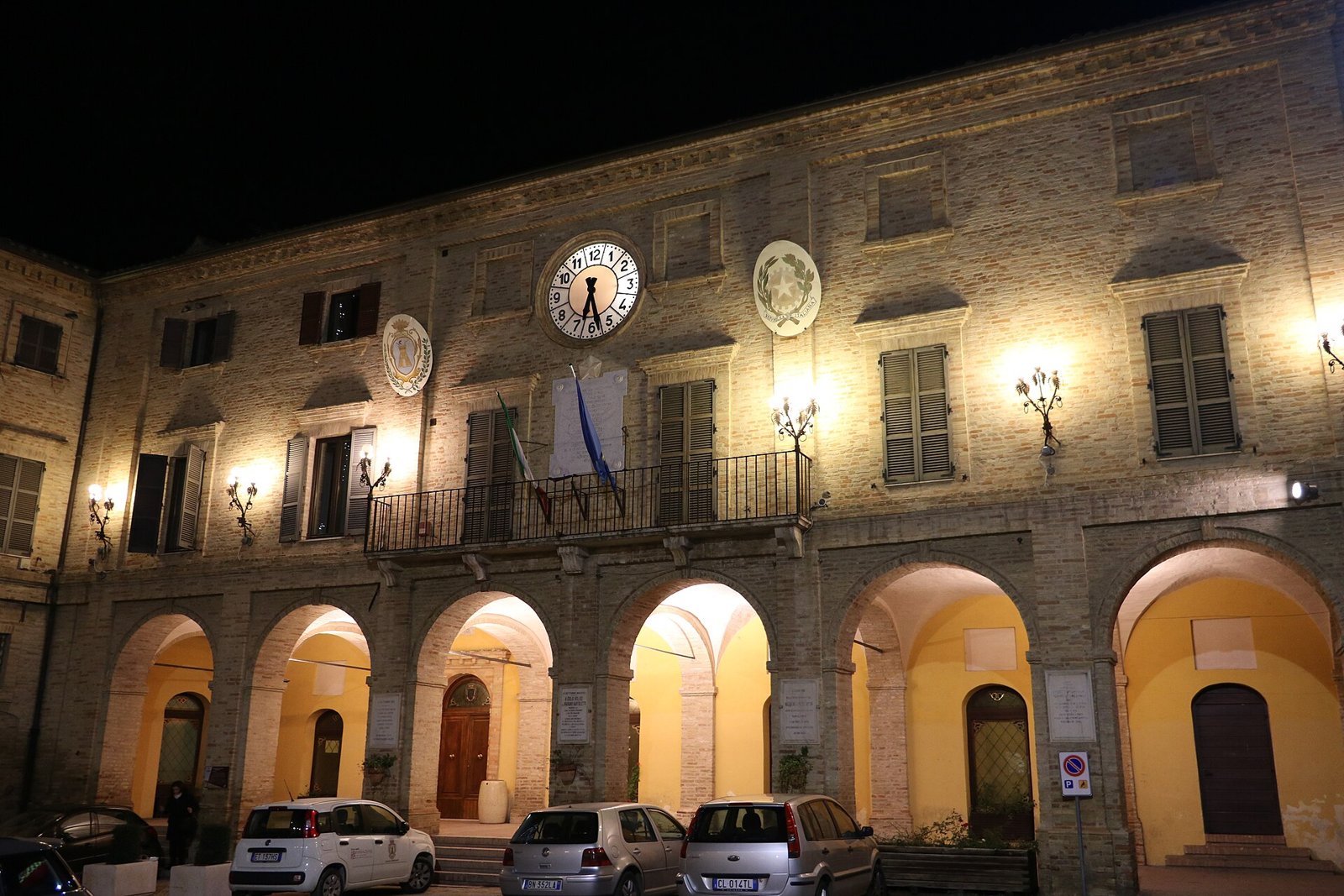
Set upon one of the gentle hills that accompany the course of the river Chienti, a short distance from both the Adriatic Sea and the Sibillini Mountains, Morrovalle preserves intact the charm of the Marche villages that arose around the year one thousand. Its origins reach back to the early medieval period, when the ancient nucleus was known as Murri de Valle, meaning stronghold over the valley: after the Lombard incursions the settlement was fortified and transformed into a military castrum, girding itself with walls to defend the hill. In the mid-13th century the lordship of the Lazzarini established itself here, choosing Morrovalle as its residence and building the palace overlooking the main square, tying its own name for centuries to the affairs of the town; popular tradition even holds that its founding is owed to Charlemagne, a sign of how deeply rooted historical memory is among these streets. The village is famous above all for the eucharistic miracle of 1560: on the night between the 16th and 17th of April a fire destroyed the church of the convent of the Franciscan Friars Minor and, ten days later, among the rubble a consecrated host was found miraculously intact, while the silver pyx and the tabernacle had been completely burnt. Pope Pius IV instituted a canonical trial and by a bull of the 19th of September of the same year officially recognised the wonder. Today Morrovalle presents itself to the visitor as an intimate old town of medieval profile, rich in history, art and panoramas that range from the hills to the sea horizon.
The heart of Morrovalle is its medieval square, dominated by Palazzo Lazzarini, an elegant 14th-century building of Gothic lines that today houses the civic museum and the pinacoteca, where numerous canvases from the churches of the territory are gathered. Overlooking the same square is the Town Hall with its Civic Tower of the 14th century, which safeguards two ancient bells, one from the 15th century and the other from the 16th. Strolling among the alleys of the village, still protected by stretches of the ancient walls, one comes across the Church of San Bartolomeo Apostolo, recognisable by its elegant neoclassical facade, and the small Church of San Giuseppe. Not far away stands the 17th-century Church of Sant'Agostino, which preserves a precious and rare Madonna in leather dating to the end of the 13th century. Also worth a stop is the former Franciscan convent, in the Borgo Marconi, today transformed into an auditorium: it was here that in 1560 the fire tied to the famous eucharistic miracle took place, and the place remains a deeply evocative stop for those who wish to retrace that story. Making the visit even more memorable are the two belvederes, the Pincio and the Colli, true balconies overlooking the landscape: from here, on the clearest days, the gaze embraces the gentle hills of the Macerata area, the course of the Chienti and reaches as far as the Adriatic Sea, while behind rise the first peaks of the Apennines. An interweaving of views, silences and testimonies of art that makes Morrovalle a small capital of discreet beauty.
A stop at the table in Morrovalle is the occasion to immerse oneself in the genuine gastronomic tradition of the Marche, made of frank flavours tied to the land. The undisputed queen is ciauscolo IGP, a soft pork salame of rosy colour and delicate aroma, so tender that it can be spread on bread: a typical product of the Macerata hinterland that opens every meal in the company of the other cured meats and local cheeses. Among the first courses vincisgrassi stand out, a rich baked lasagne considered the dish of festivities, and the homemade pastas dressed with meat sauces. There is no shortage of specialities of rural cuisine, such as spit-roasted meats, rabbit and porchetta, accompanied by crescia, a rustic flatbread cooked over embers and filled with cured meats or field vegetables. On the sweet side a place of honour goes to the calcioni, also called piconi, large baked ravioli filled with ricotta, pecorino, lemon zest and marjoram: an ancient preparation with a flavour poised between savoury and sweet, perfect to enjoy with a glass of wine. Crowning every course, finally, are the wines of the territory, from the fragrant Verdicchio to the full-bodied reds of the Piceno, the fruit of the vineyards that trace the surrounding hills together with the olive groves from which an extra virgin oil of great quality is born. To sit at the Morrovalle table thus means to rediscover the slow rhythms and authentic tastes of a generous land, where every recipe tells the story of families and of the seasons.