Altitude
235 m a.s.l.
Coordinates
43° 14′ N
13° 11′ E


Altitude
235 m a.s.l.
Coordinates
43° 14′ N
13° 11′ E
Pro Loco – IAT, Piazza del Popolo, 43 – 62027 San Severino Marche (MC)
Opening hours: da ottobre a giugno 9:00–12:30 / 16:00–19:00 (Monday closed, salvo festivi); da luglio a settembre 9:00–13:00 / 15:30–19:15
Tel.: 0733 638414
email info@prolocossm.sinp.net
website www.prolocossm.sinp.net
Comune di San Severino Marche, Piazza del Popolo, 45 – 62027 San Severino Marche (MC)
Tel.: 0733 6411 (centralino)
email info@comune.sanseverinomarche.mc.it
PEC protocollo.comune.sanseverinomarche@pec.it
website www.comune.sanseverinomarche.mc.it
Take a look at some photos of the town
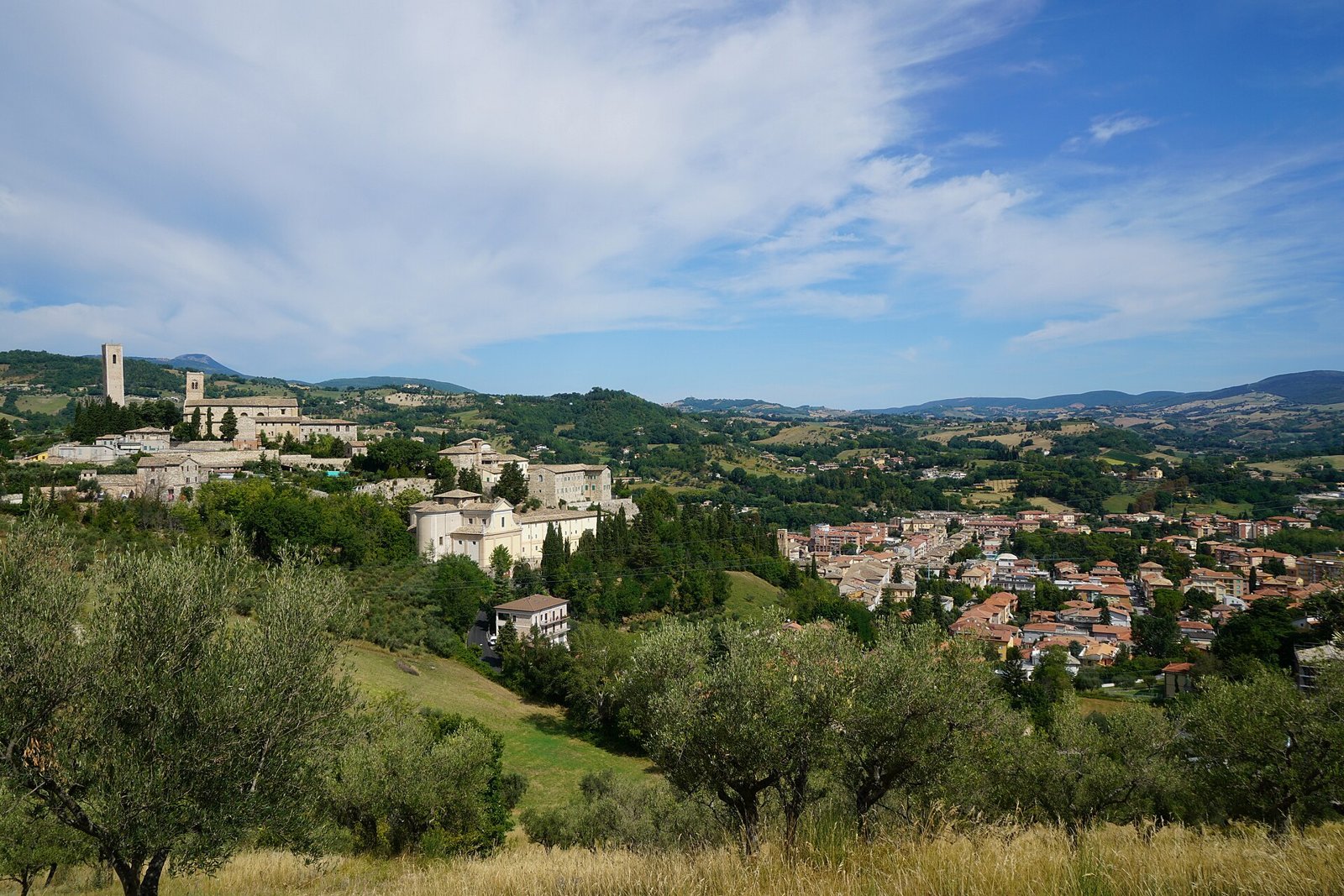
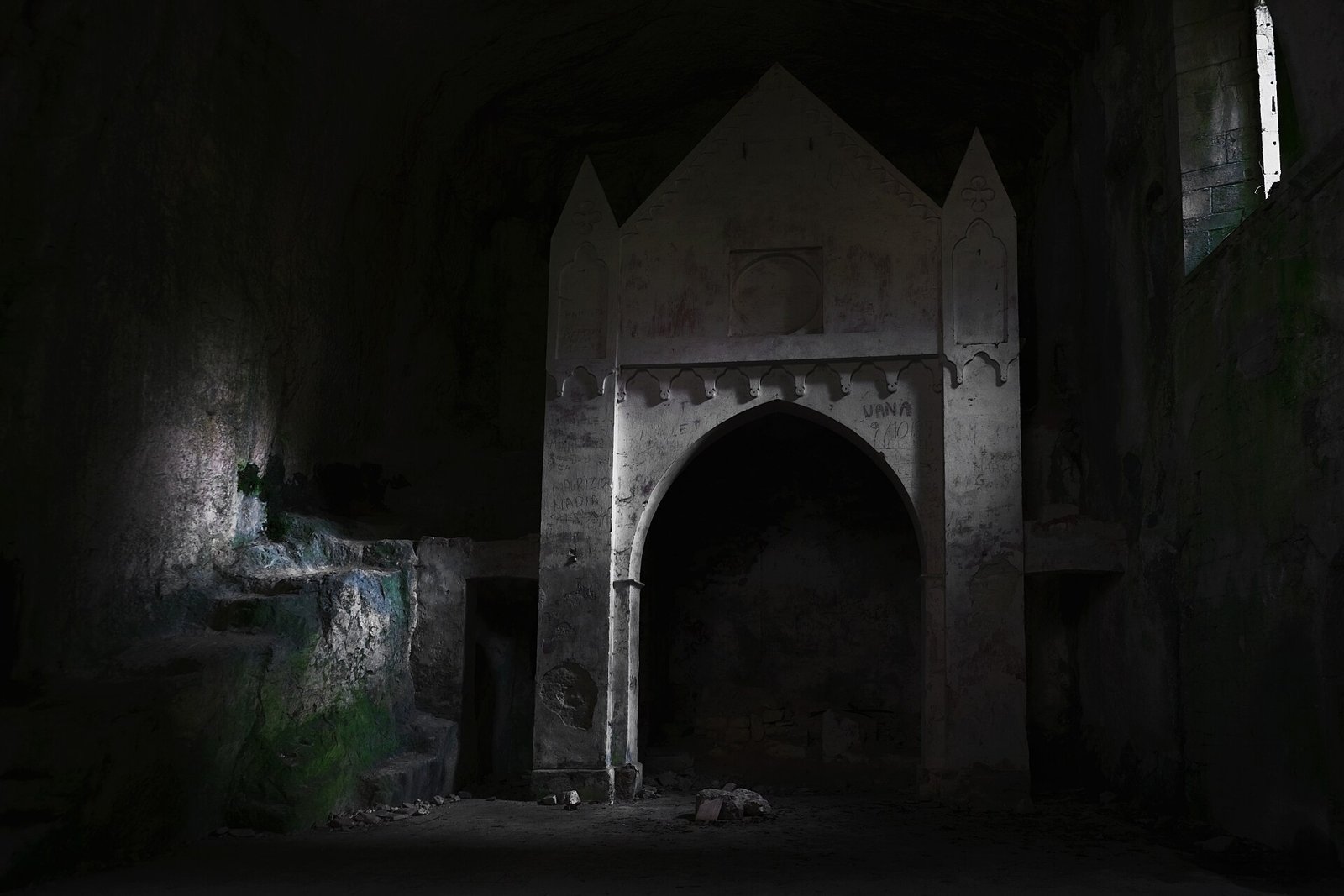
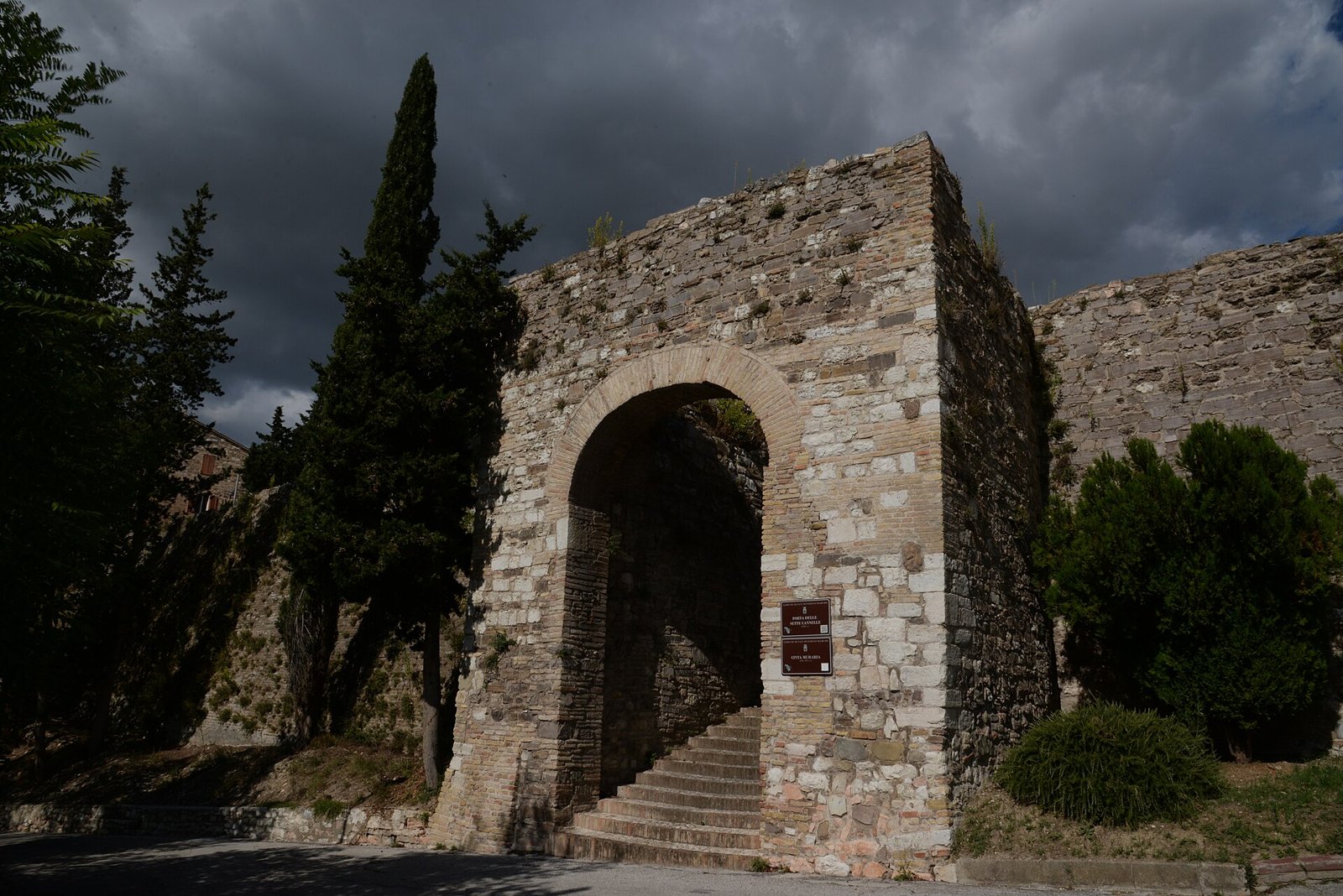
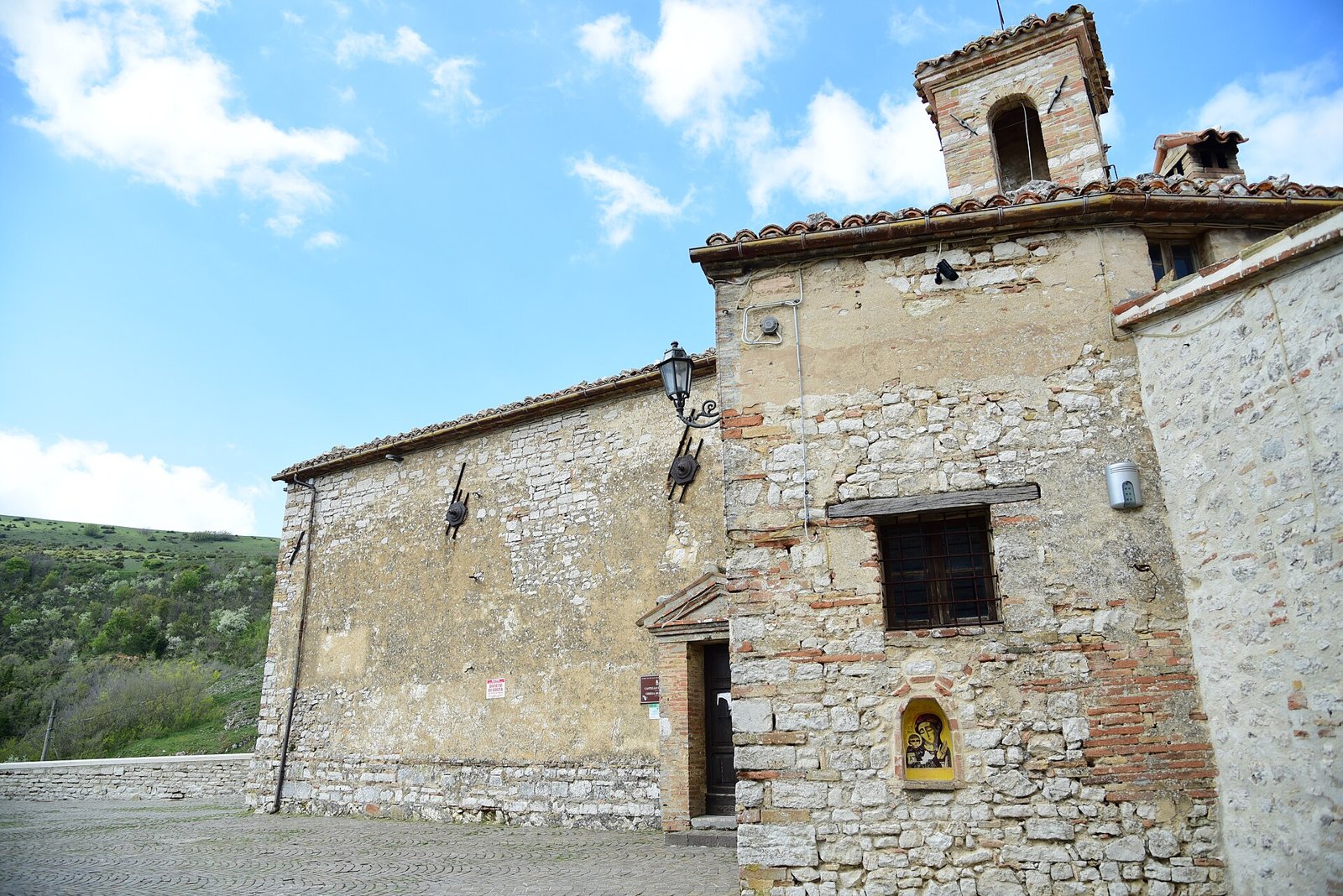
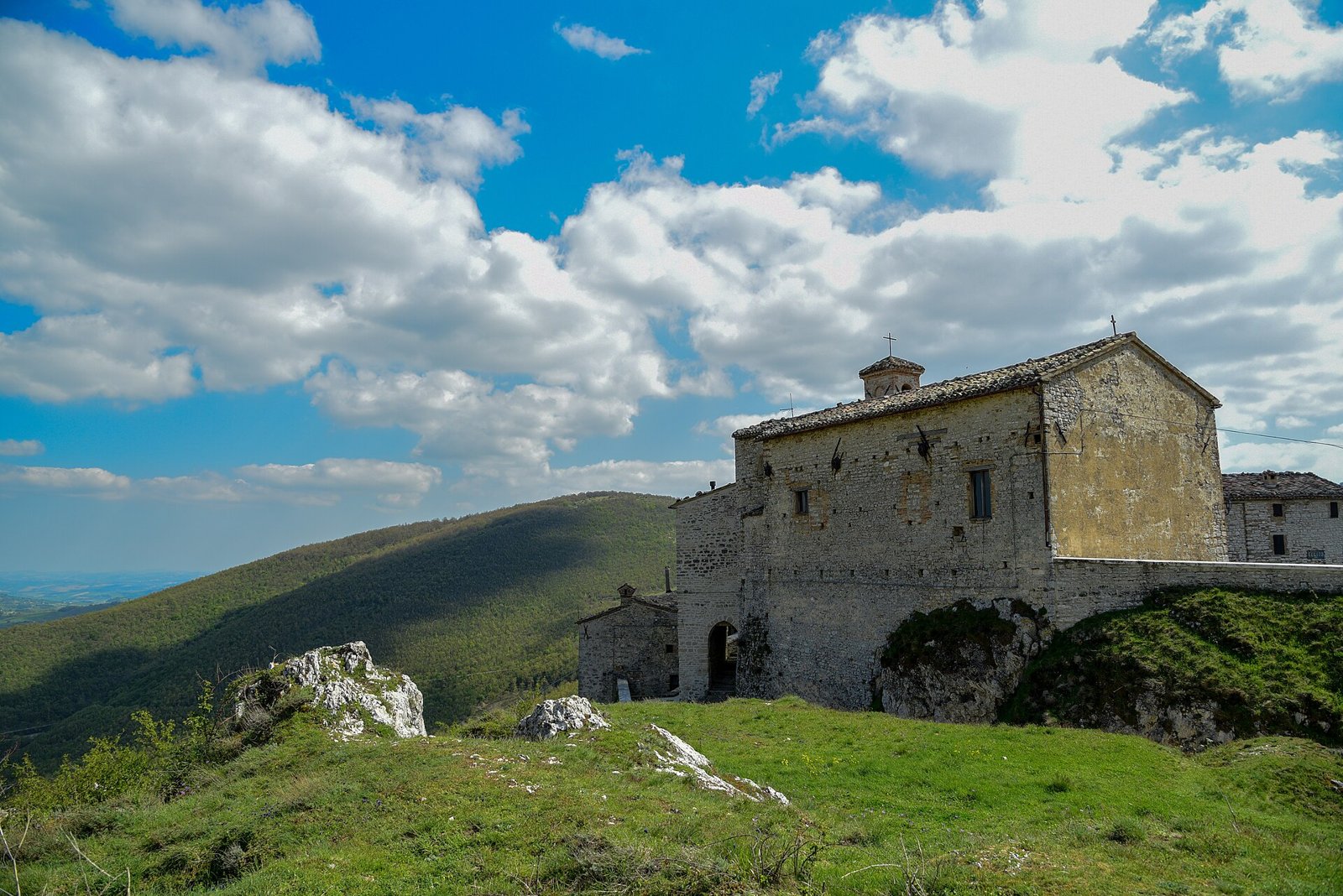
Set in the middle valley of the river Potenza, at the foot of Monte Nero, San Severino Marche guards a long and layered history that has its roots in the ancient Septempeda, a Roman municipium that arose along the consular road that connected the hinterland to the Adriatic. After the decline of the ancient city, the inhabitants took refuge on the height of the Castello, giving rise to the fortified medieval nucleus that still today dominates the town with its walls, its gates and its two symbolic towers: that of the Comune, with the Ghibelline rampant lion, and the bell tower of the Duomo Vecchio. The period of maximum splendour coincided with the communal age and with the lordship of the Smeducci, between the thirteenth and fifteenth centuries, when the town became a lively centre of art. It was precisely here that a successful school of painting flourished, which had in the brothers Salimbeni, Lorenzo and Jacopo, and later in Lorenzo d'Alessandro its most celebrated interpreters, leaving behind frescoes and panels of refined Late Gothic elegance. The urban fabric is divided between the upper part, that of the Castello, and the lower city grown around the extraordinary Piazza del Popolo. Awarded the Orange Flag of the Touring Club Italiano, a recognition reserved for the small hinterland villages of touristic and environmental excellence, the city invites a journey into Marche culture, amid Roman memories, medieval fervours and the silences of hills cultivated with olives and vines, guarding a heritage of churches, palazzi and museums that recount its centuries.
The heart of San Severino Marche is the scenographic Piazza del Popolo, one of the most evocative in the Marche: a vast porticoed square of unusual elliptical shape, over two hundred metres long, framed by elegant porticoes and palazzi that give it an almost theatrical breadth. Onto it face the town hall and the Torre, while a short distance away rises the Teatro Feronia, a nineteenth-century Italian-style jewel. Climbing upwards one reaches the Castello, the ancient medieval nucleus on Monte Nero, where among the walls are preserved the two towers symbolic of the city and the Duomo Vecchio, founded in the Romanesque era and guardian of the remains of the patron saint and of a valuable Renaissance wooden choir begun by Domenico Indivini. In the lower city the Duomo Nuovo and the church of San Lorenzo in Doliolo, with its crypt and frescoes, bear witness to the long religious history of the village, while just outside the walls one comes across the Renaissance sanctuary of Santa Maria del Glorioso. Not to be missed is the civic Pinacoteca named after Pietro Tacchi Venturi, which gathers masterpieces by the brothers Salimbeni, by Lorenzo d'Alessandro, by Pinturicchio and by Vittore Crivelli, offering a journey through the highest seasons of Marche art. Completing the picture are the Archaeological Museum, which narrates the story of Septempeda, and the church of San Domenico. All around, a landscape of hills and ancient parish churches accompanies walks and itineraries, while the streets of the historic centre invite you to discover glimpses, portals and details that recount the noble artistic soul of the city.
The table of San Severino Marche reflects the generous country tradition of the Macerata hinterland, made of honest flavours, hand-rolled pastas and skilful processing of meats. Queen of the local cuisine is egg pasta: the vincisgrassi, a rich lasagne of Marche tradition with thin layered sheets, béchamel and a flavoursome ragù of mixed meats and giblets, are the dish of great occasions, alongside the tagliolini and the cappelletti in broth. Among the cured meats the ciauscolo stands out, a soft and spreadable typical sausage, together with lonza, salame and coppa of artisan production, often served with the crescia, the local flatbread cooked over the embers. Pecorino cheeses, pulses and garden vegetables complete a gastronomy tied to the seasons, enriched by the mushrooms and truffle of the surrounding woods. On the sweet side, the calcioni, ravioli filled with pecorino, eggs, sugar and lemon zest, combine in a surprising way the savoury and the sugary flavour, while the lonzino di fico, a bastion of tradition, kneads dried figs, almonds and walnuts into a fragrant roll to be enjoyed at the end of the meal. There is no shortage of biscuits and festive sweets, accompanied by the wines of the Marche hills. Strolling among the porticoes of the Piazza del Popolo, among workshops, bakeries and small eateries of the centre, the visitor can savour an authentic and convivial cuisine, which recounts the land, the labour and the genuine taste of a community deeply tied to its roots.