Altitude
493 m a.s.l.
Coordinates
43° 34′ N
12° 25′ E


Altitude
493 m a.s.l.
Coordinates
43° 34′ N
12° 25′ E
Ufficio IAT / Pro Loco Apecchio
Piazza XX Settembre – 61042 Apecchio (PU)
Opening hours: (1 luglio–30 settembre) tutti i giorni 10:30-12:30 e 16:00-19:00; (1 ottobre–30 giugno) festivi e prefestivi 10:30-12:30 e 15:00-18:00
Tel.: 0722 99279
Email: iatapecchio@gmail.com – prolocoapecchio@gmail.com
Comune di Apecchio
Largo AVIS, 1 – 61042 Apecchio (PU)
Opening hours: Monday, Friday and Saturday 8:30-13:30; Tuesday, Wednesday and Thursday 10:00-12:00
Tel.: 0722 989004 – Fax 0722 989006
PEC: comune.apecchio@emarche.it
Email: comune.apecchio@provincia.ps.it
Sito: comune.apecchio.ps.it
Take a look at some photos of the town
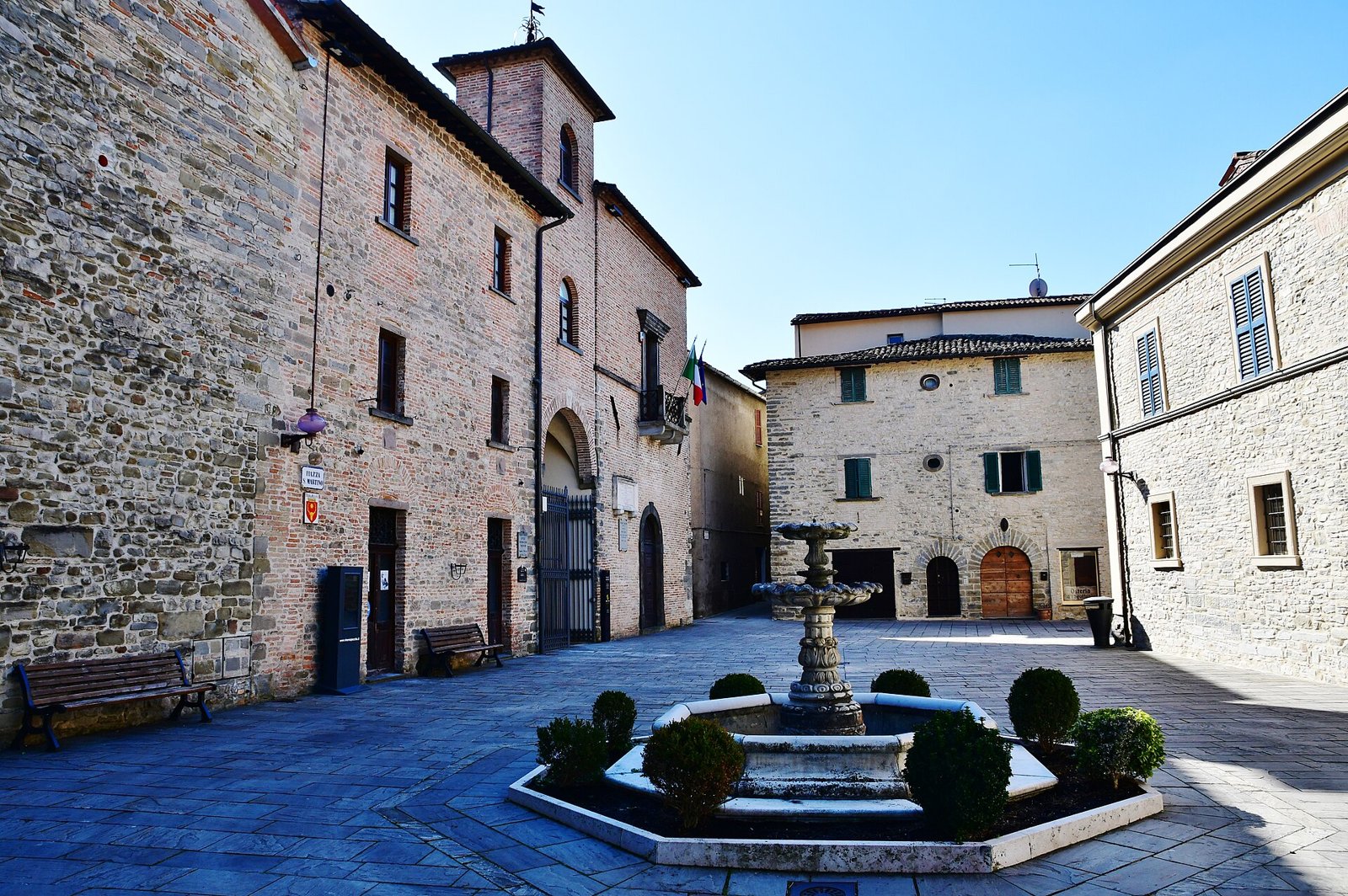
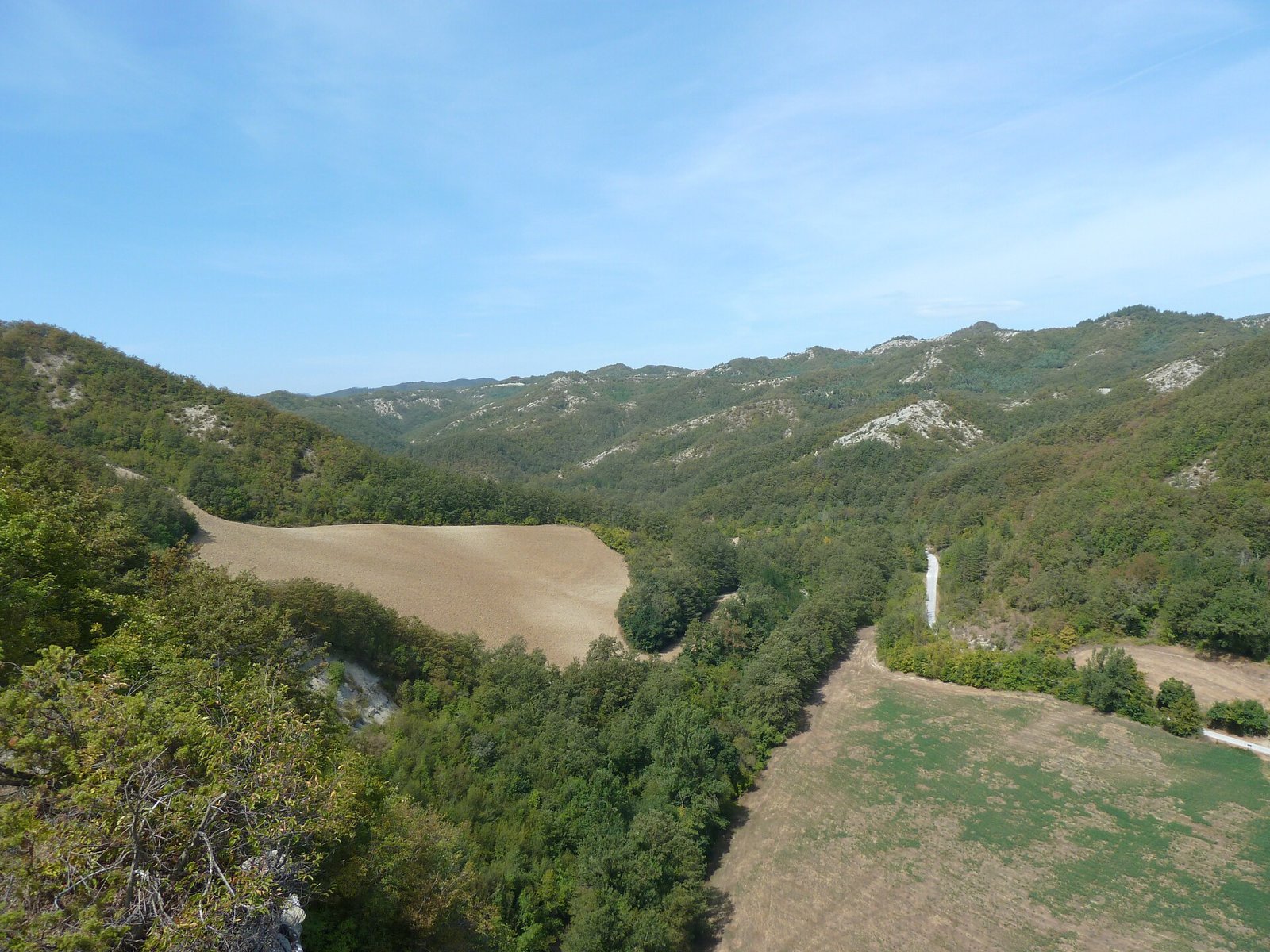
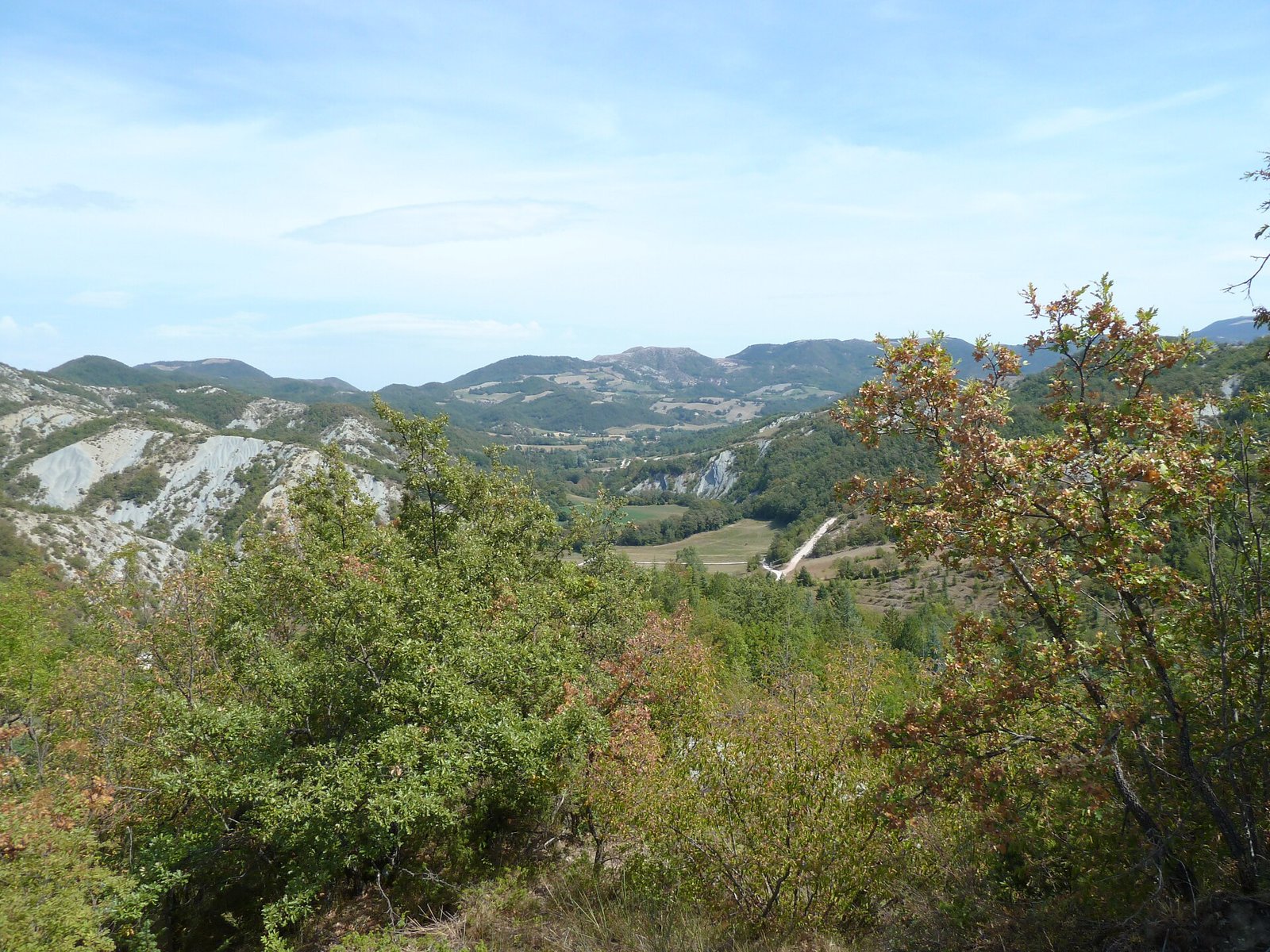
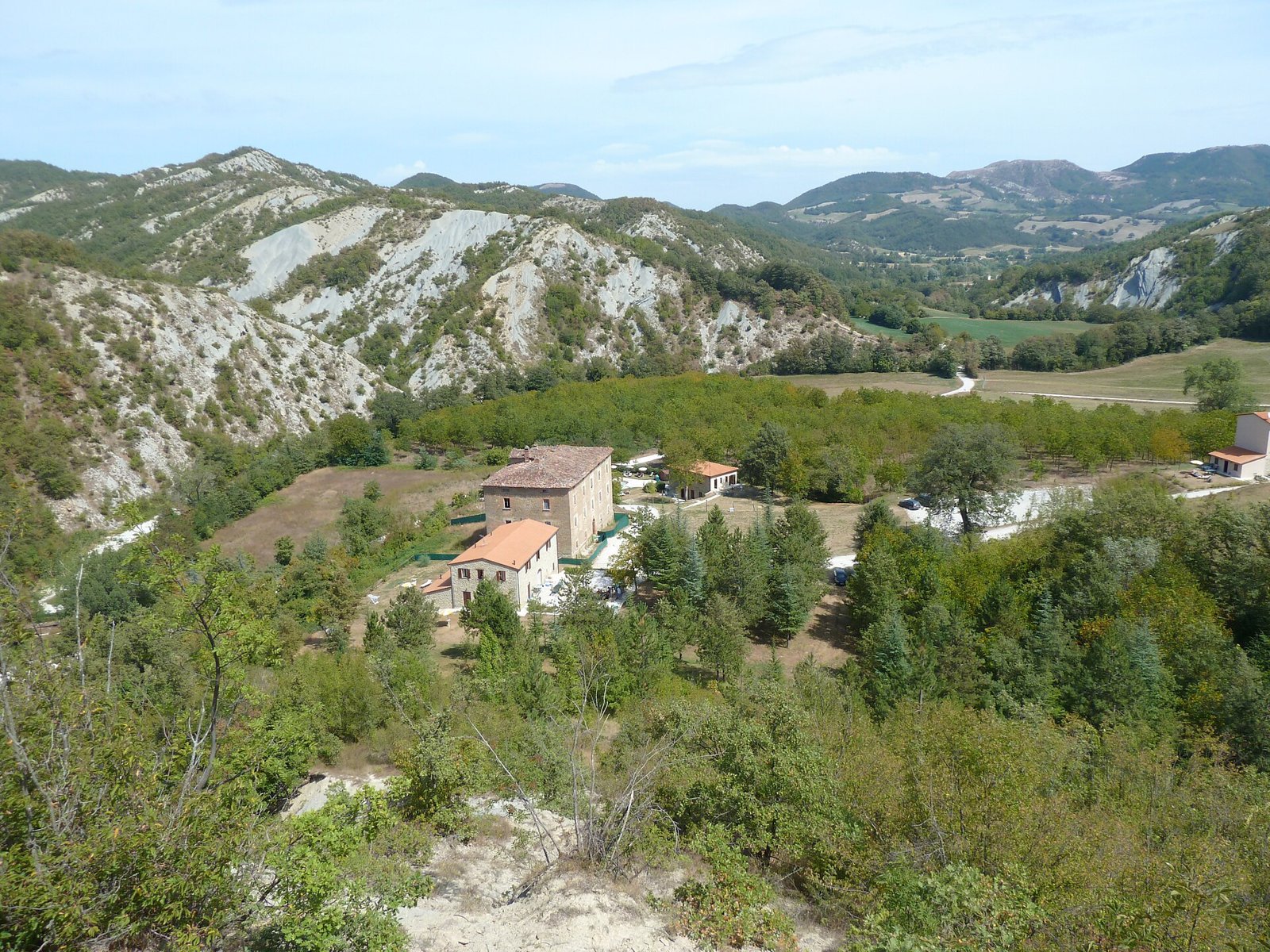
Nestled in the upper valley of the Biscubio, at the foot of Monte Nerone and a short distance from the Alpe della Luna massif, Apecchio is a small village of the Pesaro hinterland whose history has its roots in the Middle Ages. The earliest written records date back to 1077, when a document attests to the rule of the bishop-count of Città di Castello, to which the territory long remained tied. The face of the town, however, above all bears the mark of the Ubaldini family, a house of Florentine origin that in the 13th century took firm hold of power over the entire valley, governing it first from the nearby Castello di Carda and then making Apecchio the heart of their county. It was the Ubaldini who gave the village its noble character, beginning the construction of the majestic Palazzo Ubaldini, to a design attributed to Francesco di Giorgio Martini, with its elegant porticoed courtyard of 1515 supported by tall columns with Ionic capitals. Also recounting the more distant past is the characteristic medieval humpback bridge, built in the 14th century over the river Biscubio, which for centuries was the only means of access to the settlement. Having then passed into the orbit of the Duchy of Urbino and thereafter the Papal States, the community preserved its agricultural and forestry vocation, tied to the woods and mountain pastures. Today Apecchio proudly unites its medieval heritage with a modern identity: it is in fact the first City of Beer in Italy, a recognition that celebrates its brewing tradition and the quality of its clear spring waters.
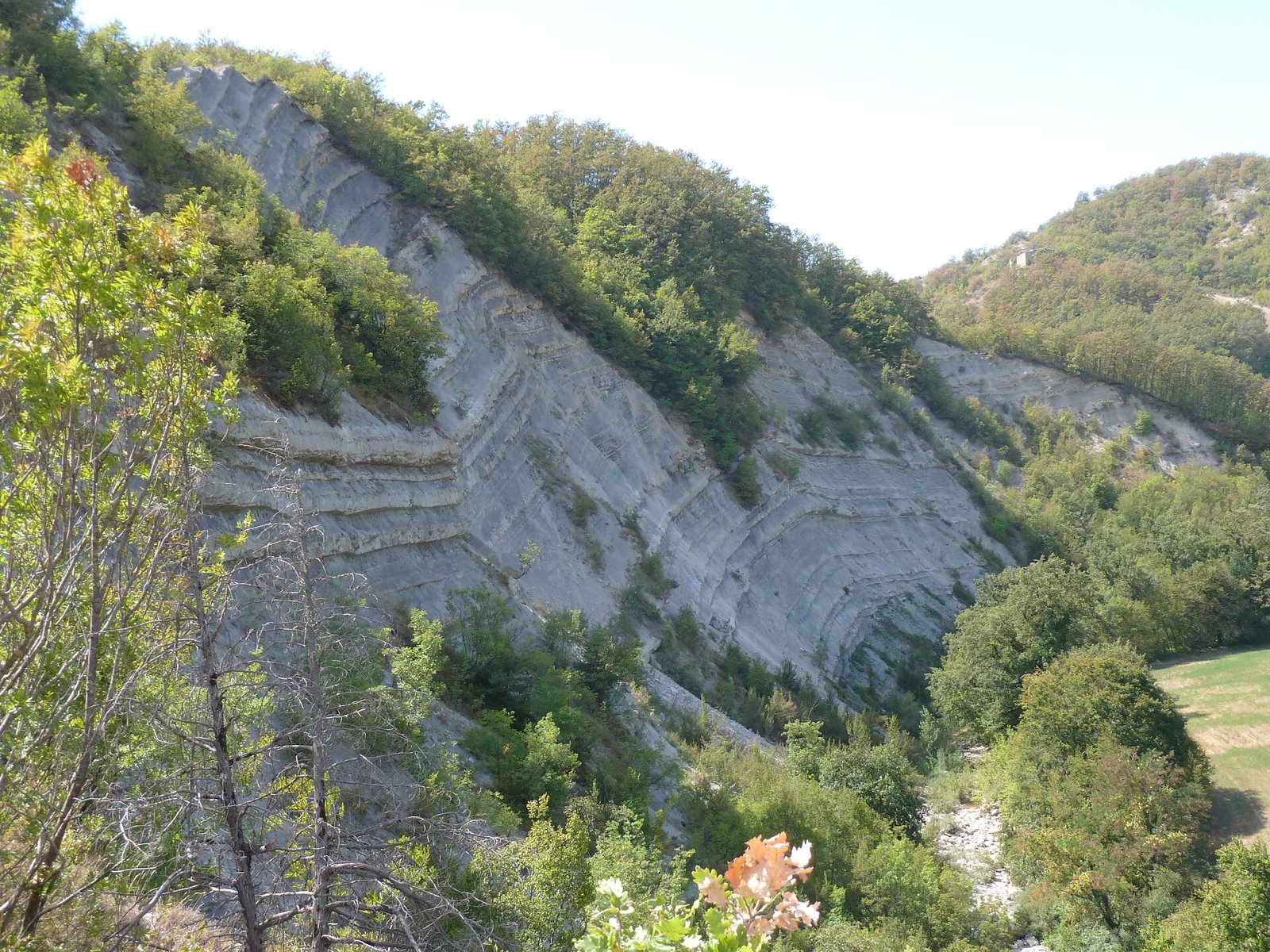
The heart of Apecchio is the monumental Palazzo Ubaldini, which overlooks the old town with its splendid square courtyard of 1515, surrounded by a portico held up by eight tall columns with Ionic capitals, a rare example of Renaissance architecture in a mountain setting. In the palace's evocative underground rooms is the Museum of Fossils and Minerals of Monte Nerone, a true gem that safeguards one of the richest and most precious collections of ammonites in Europe. The exhibition route counts over two thousand specimens and leads the visitor to the discovery of fossils, tools of worked flint, remains of cave bears and prehistoric elephants, together with minerals from various Italian regions. Strolling among the stone alleys of the village, one reaches the lower part of the settlement, where the characteristic medieval humpback bridge, built in the 14th century, elegantly spans the waters of the river Biscubio, offering one of the most photographed views of the town. But Apecchio is also a privileged gateway to nature: all around lies the territory of Monte Nerone, which nears 1500 metres in altitude, with its beech woods, caves, trails and clear skies dear to astronomy enthusiasts, while to the north looms the wild Alpe della Luna massif. Those who love the outdoors will find itineraries for hikes, horseback rides and mountain biking, as well as a landscape of woods and pastures that changes colour with every season, framing the ancient churches and stone houses of the village.
At the table Apecchio tells of a generous land, suspended between woods, clear waters and mountain pastures. The town is famous for being the first City of Beer in Italy: here, where the pure waters of Monte Nerone gush forth and quality barleys ripen, renowned craft breweries have taken root, among them Amarcord and Tenute Collesi, which have made Apecchio the capital of alogastronomia, an original neologism born in these very places to denote the happy union between craft beer, typical products and territory. The other great protagonist is the truffle, which the climate and surrounding woods bestow in every season: the prized white truffle of autumn, the fine black winter truffle, the fragrant bianchetto of spring and the summer scorzone, celebrated each year at the historic Truffle and Woodland Products Market Show, an event on the first weekend of October that enlivens the centre with stalls, tastings and aromas. The local cuisine is the frank and flavoursome fare of the Apennines: hand-rolled tagliatelle, stuffed rabbit, tasty lamb, coratella and guazzetti, accompanied by excellent cured meats and cheeses of farmhouse production, mushrooms and other fruits of the undergrowth. To close the meal, the bostrengo cannot be missing, the town's traditional dessert made with dried fruit and ancient flavours, to which a festival is even dedicated. All of this, of course, to be enjoyed alongside a good tankard of craft beer, the authentic banner of Apecchio's flavour.