Altitude
280 m a.s.l.
Coordinates
43° 40′ 26.58″ N
12° 58′ 5.81″ E


Altitude
280 m a.s.l.
Coordinates
43° 40′ 26.58″ N
12° 58′ 5.81″ E
Corso Roma, 1
61040 Mondavio (PU)
Italy
Tel.: +(39) 0721.977758
Fax: +(39) 0721.847564
www.mondavioturismo.it
ufficio.turismo@comune.mondavio.pu.it
Contact person
Angelo FRATINI
Mob.: +(39) 331.4023965
angelo_frattini@libero.it
Piazza G. Matteotti, 2
61040 Mondavio (PU)
Italy
Tel.: +(39) 0721.97101
Fax: +(39) 0721.97123
www.comune.mondavio.pu.it
comune.mondavio@provincia.ps.it
comune.mondavio@emarche.it
Take a look at some photos of the town
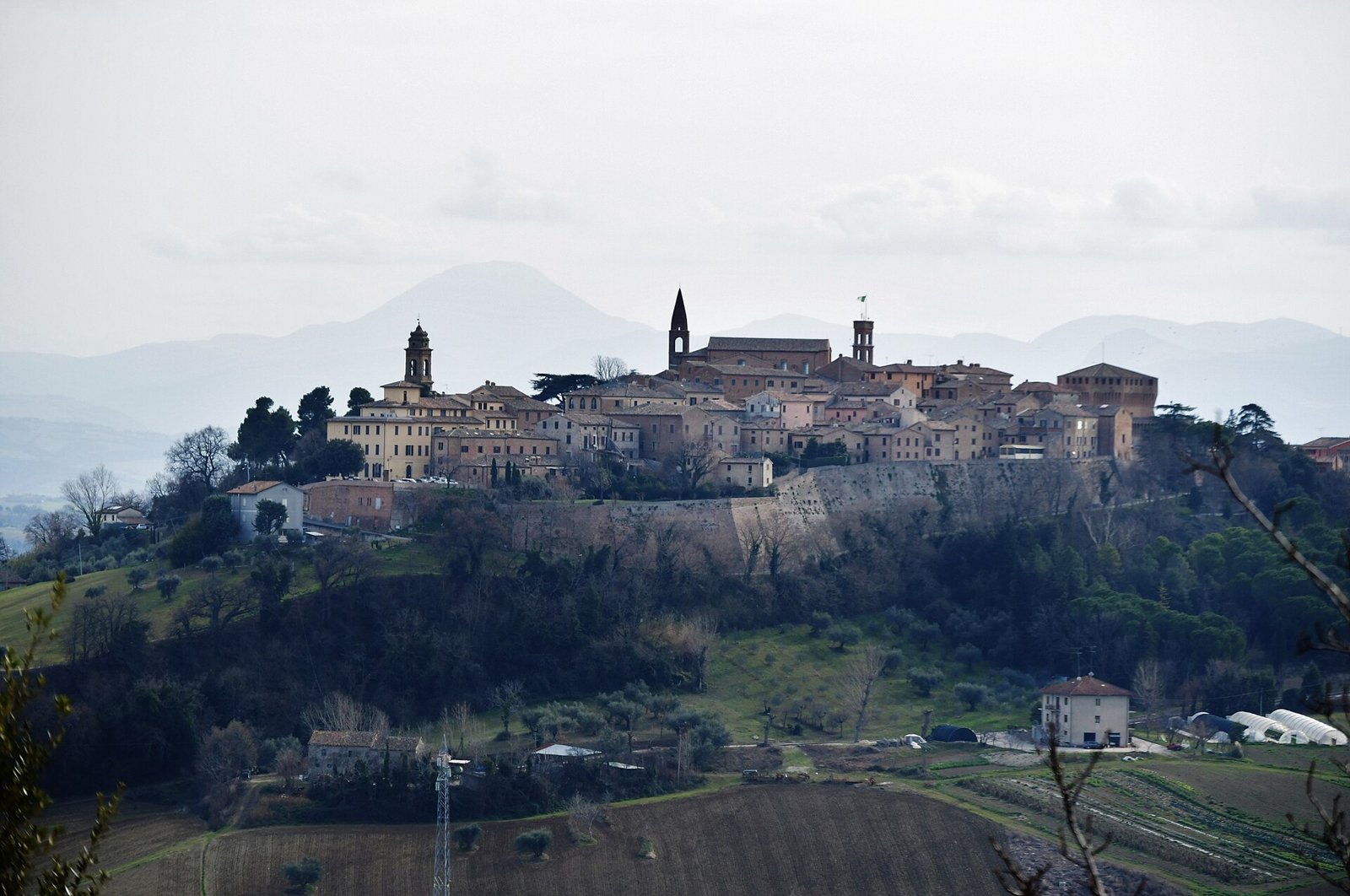
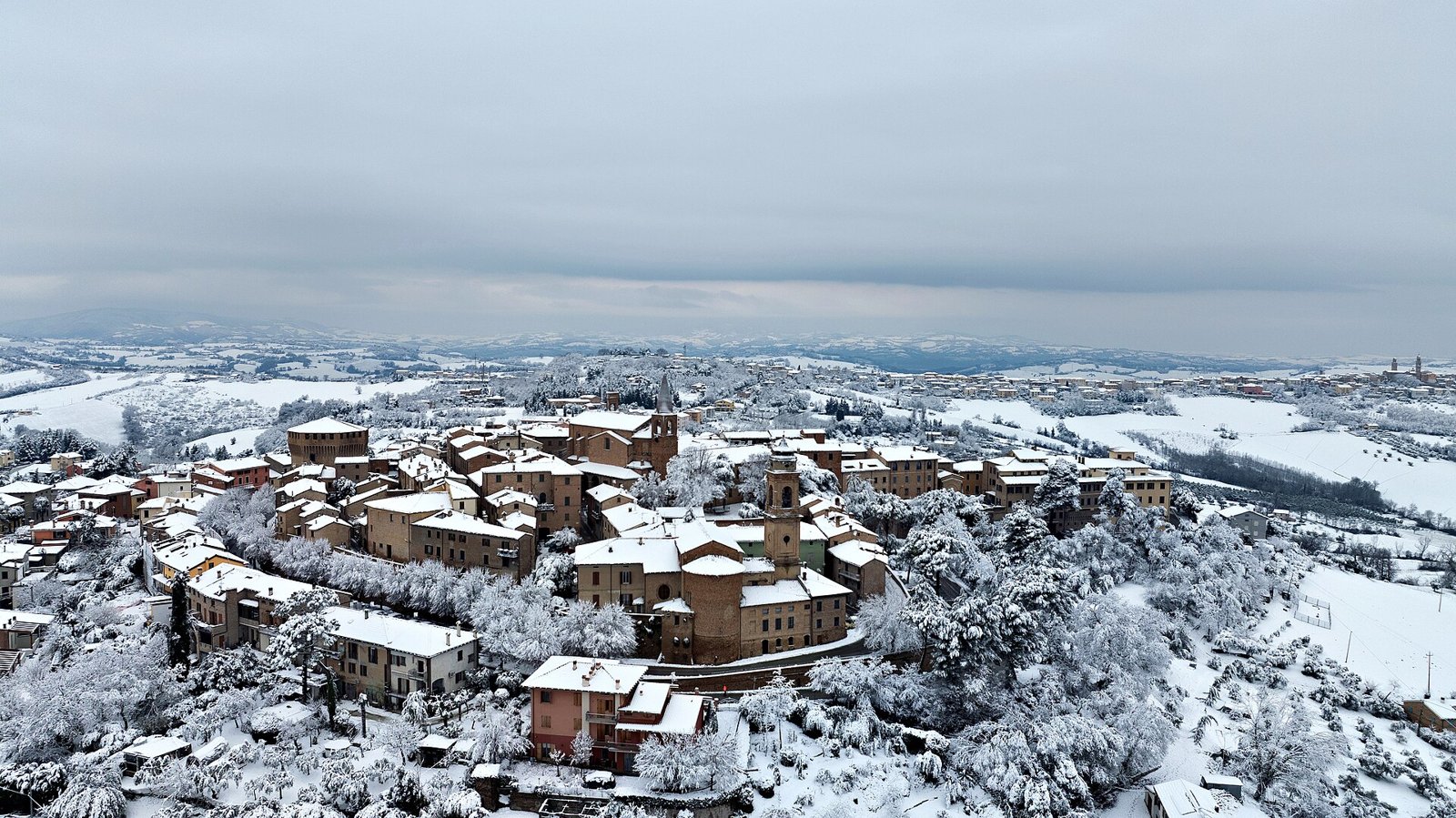
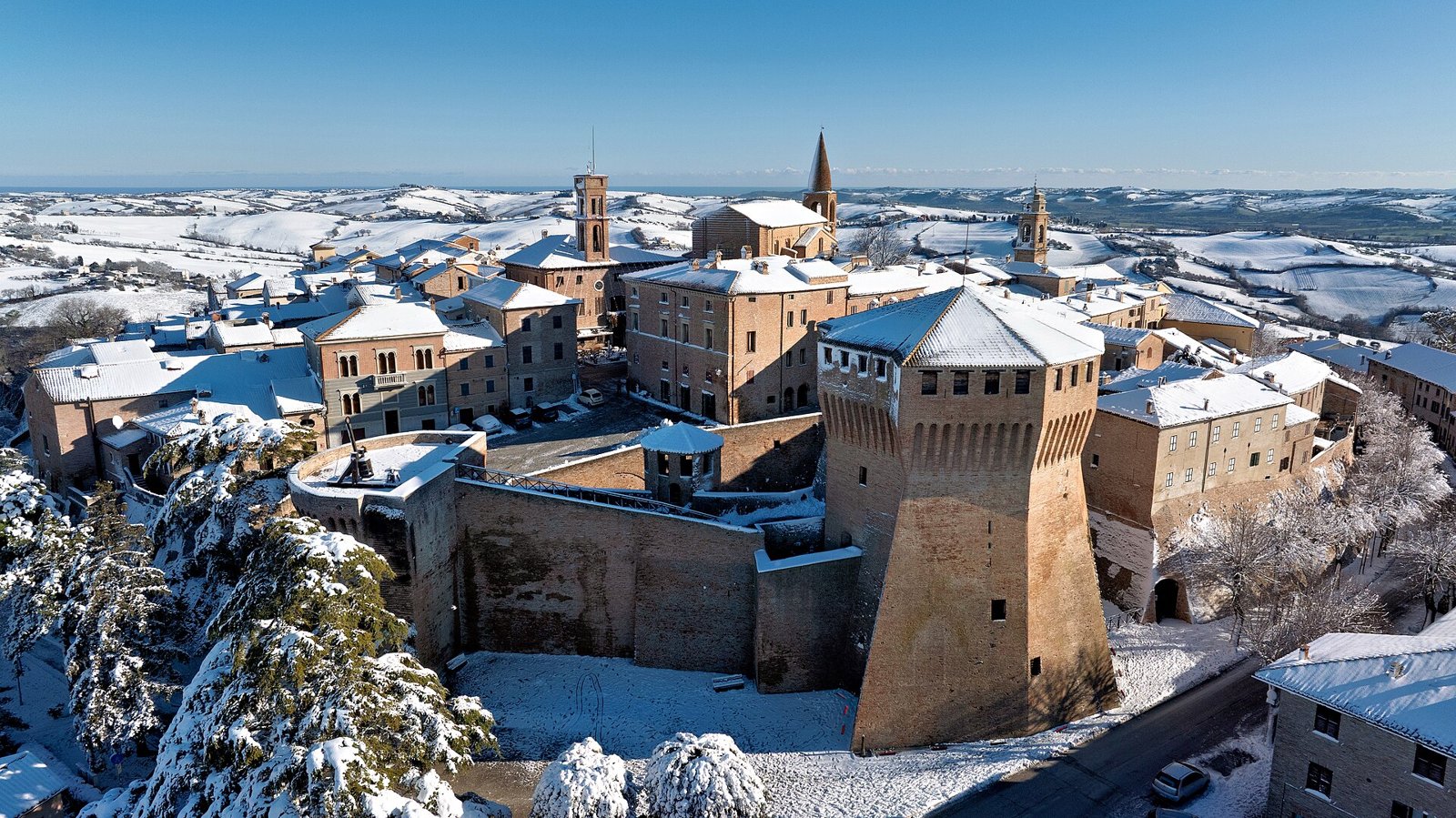
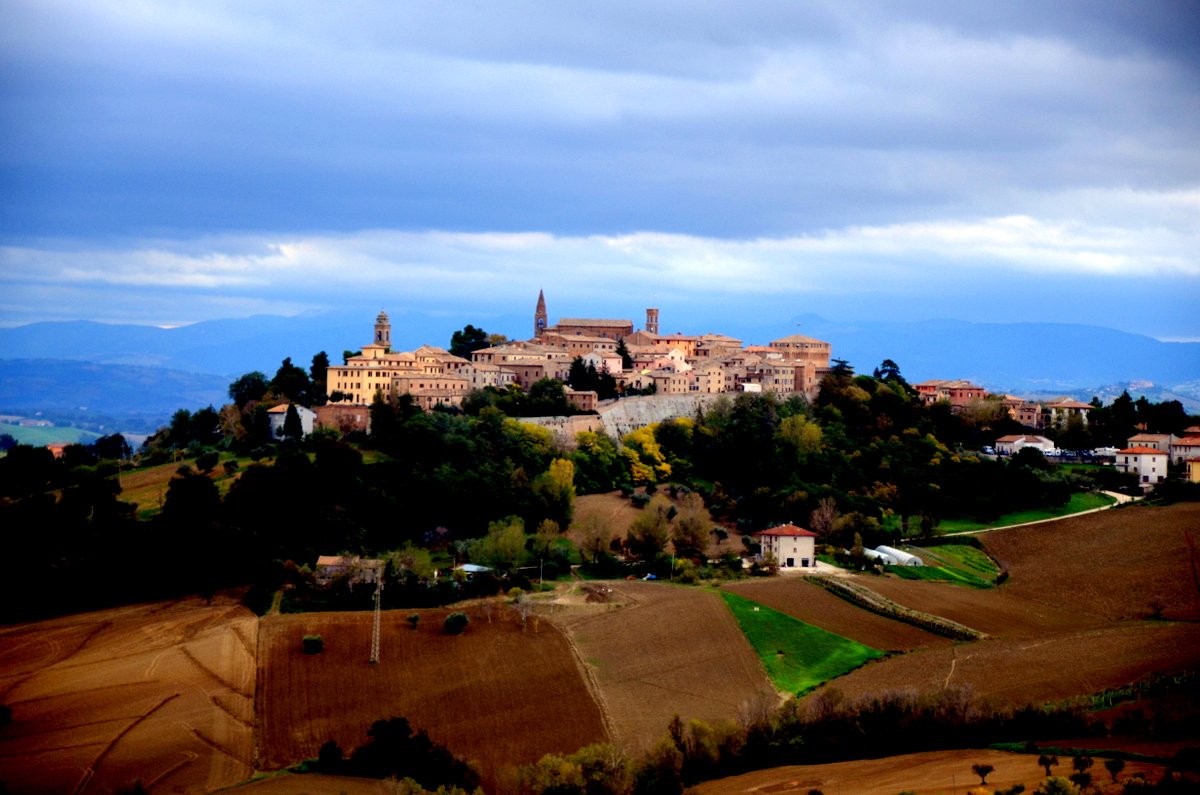
Perched on a hill between the valleys of the Metauro and the Cesano, Mondavio is famous for its extraordinary Rocca Roveresca, a masterpiece of military architecture designed at the end of the fifteenth century by Francesco di Giorgio Martini for the Della Rovere family. The village, of medieval origin, was for a long time an important defensive stronghold of the Duchy of Urbino, contested for its strategic position controlling the routes between the coast and the hinterland. Enclosed by walls and dominated by the mass of the polygonal keep, it preserves an intimate and harmonious historic centre, with the square, the palaces and the churches that recount its past. The alleyways of brick and stone, the glimpses and the belvederes convey the atmosphere of a village that has remained faithful to its own identity. With the extinction of the Della Rovere it passed to the Papal State, following its fortunes until the Unification of Italy. Recognised among "The Most Beautiful Villages of Italy" and awarded the Orange Flag, Mondavio is today a destination appreciated for its intact fortress, never taken by force, and for the historical re-enactments that enliven its streets, bringing back to life the atmosphere of the Renaissance court. Around the village stretches a landscape of gentle hills cultivated with wheat, vineyards and sunflowers, sloping down towards the Adriatic Sea, a territory of great harmony where history, art and nature blend into a picture of rare balance, guardian of an agricultural and seigneurial civilisation centuries old. To stroll through its streets means to immerse oneself in an atmosphere of times gone by, beneath the mass of the fortress that watches over the town.
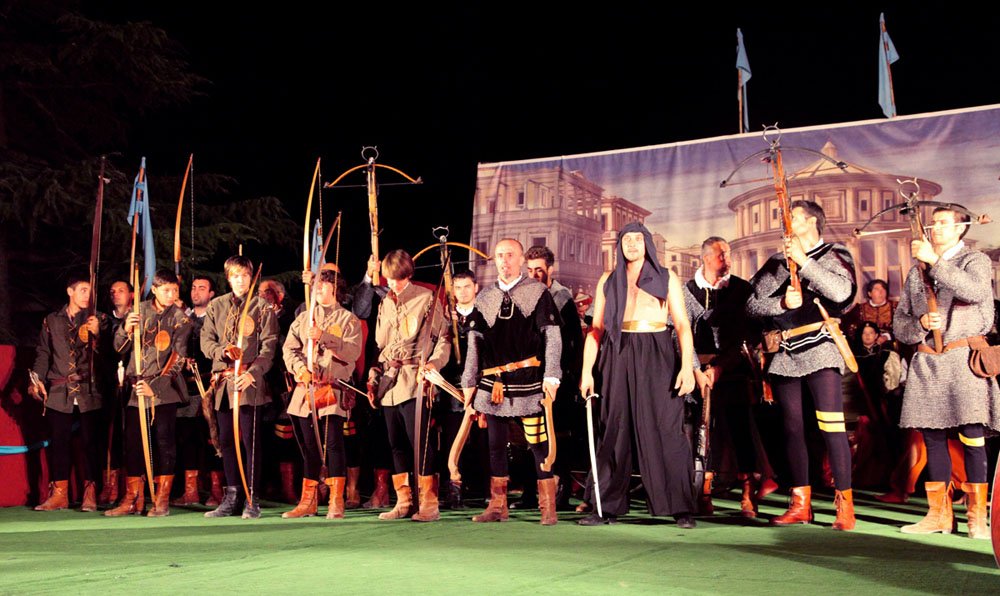
The symbolic monument is the Rocca Roveresca, admirably preserved, with the keep, the walkways, the halls and the moat: inside it the Museo di Rievocazione Storica, with figures in costume, weapons and war machines, reconstructs the military life of the Renaissance in an evocative and engaging way. Worth seeing are the Teatro Apollo, an elegant Italian-style theatre, the church of San Francesco and the Collegiata dei Santi Pietro e Paterniano, together with the palaces and the gateways of the walled circuit, witnesses to the village's long civic history. Walking through the village one comes upon striking glimpses and panoramas that range over the cultivated hills as far as the sea, a succession of ridges, vineyards and farmhouses that on clear days is tinged with the colours of the Adriatic. The historical re-enactments, in particular the Caccia al Cinghiale in August, transform the streets into a great spectacle in costume, amid processions, games and banquets that recall the splendours of the Della Rovere court. In the surroundings open up itineraries among the villages and castles of the Duchy of Urbino and towards the nearby Adriatic coast, for a journey that unites art, history and landscape, among fortified strongholds, ancient parish churches and the gentle hills of the Pesaro area, in a territory that invites you to discover it slowly, along panoramic roads and paths immersed in the countryside. The care of the historic centre and the welcome of the inhabitants make Mondavio a destination capable of surprising in every season, when the re-enactments animate the squares and take the visitor back through the centuries.
The cuisine of Mondavio has its roots in the peasant tradition of the Metauro and Cesano valleys, made of simple ingredients and authentic flavours. Among the first courses, tagliatelle, cappelletti in brodo, passatelli and maccheroncini dressed with meat sauces or with the local truffle, which the woods of the territory yield in several varieties, dominate. Not to be missed is the crescia sfogliata, cooked on the testo and filled with cured meats and wild herbs, a protagonist of festive tables. Among the typical products are the local cured meats, sheep's cheeses and pulses from the countryside, together with mushrooms and seasonal vegetables, which follow the rhythm of the vegetable garden and the wood. Giving character to the dishes is above all the Bianchello del Metauro DOC wine, fresh and fragrant, flanked by the reds of the Colli Pesaresi, produced on the surrounding hills. The desserts are those of tradition, from crostate to ciambelloni, often linked to the feasts and anniversaries of the peasant calendar. Festivals and historical re-enactments are the ideal occasion to rediscover these genuine flavours in a convivial atmosphere, accompanied by the zero-kilometre produce of the local farms, where the passion for good food interweaves with the sincere hospitality of a community bound to its own roots and to the slow rhythm of the seasons. In the trattorias and farm holiday establishments of the village one still finds the aromas and gestures of the cooking of old, in a rite of conviviality that accompanies both feast days and ordinary days.