Altitude
441 m a.s.l.
Coordinates
43° 4′ N
13° 5′ E


Altitude
441 m a.s.l.
Coordinates
43° 4′ N
13° 5′ E
Info Point Valfornace - Parco Nazionale dei Monti Sibillini (Pro Loco Pievebovigliana)
Piazza Vittorio Veneto, 90 - loc. Pievebovigliana, 62035 Valfornace (MC)
Tel.: 338 1034996
email propieve@propieve.it
website www.propieve.it
Comune di Valfornace
Piazza Vittorio Veneto, 90 - loc. Pievebovigliana, 62035 Valfornace (MC)
Tel.: 0737 44126
email protocollo@comune.valfornace.mc.it
PEC comune.valfornace@emarche.it
website www.comune.valfornace.mc.it
Take a look at some photos of the town
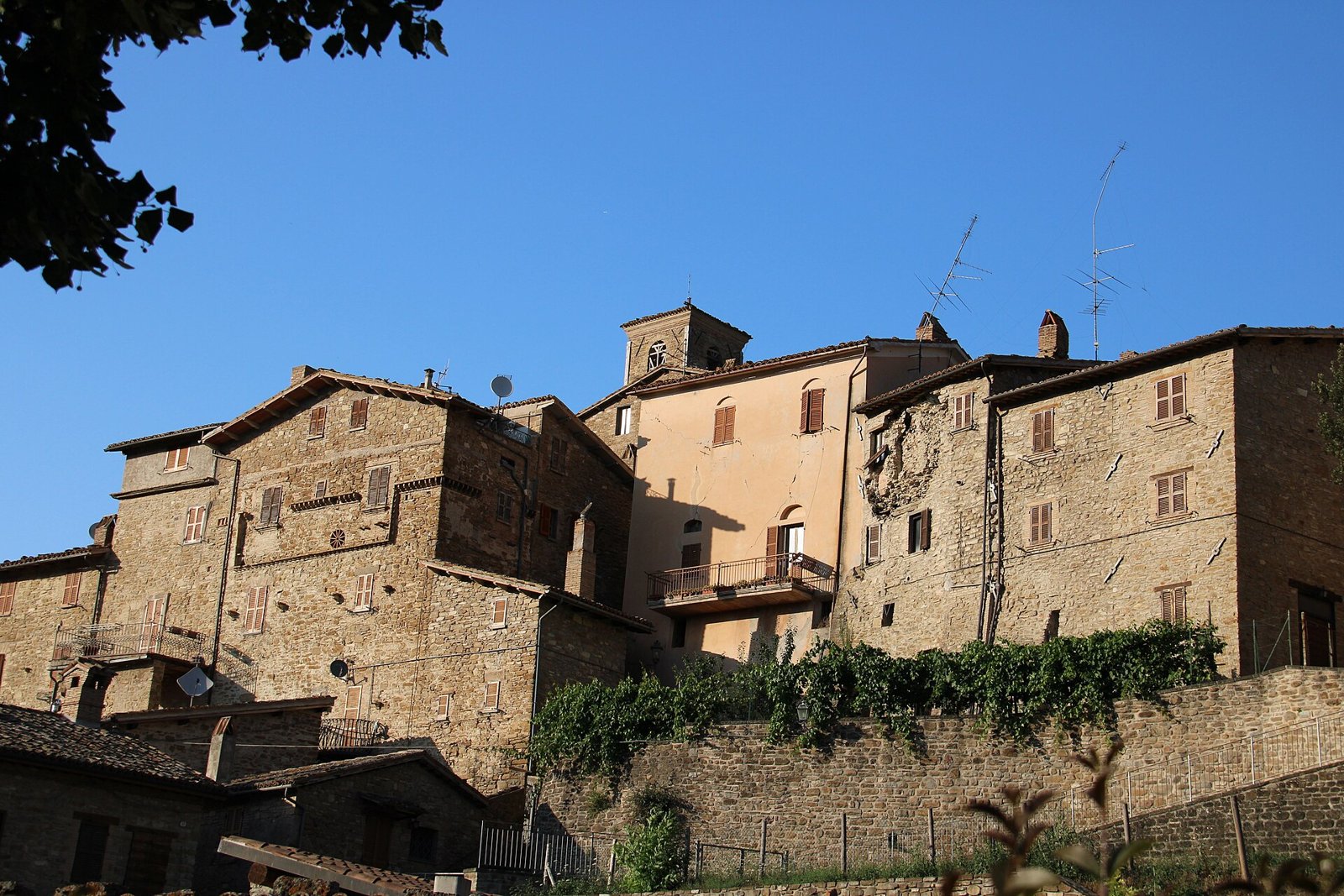
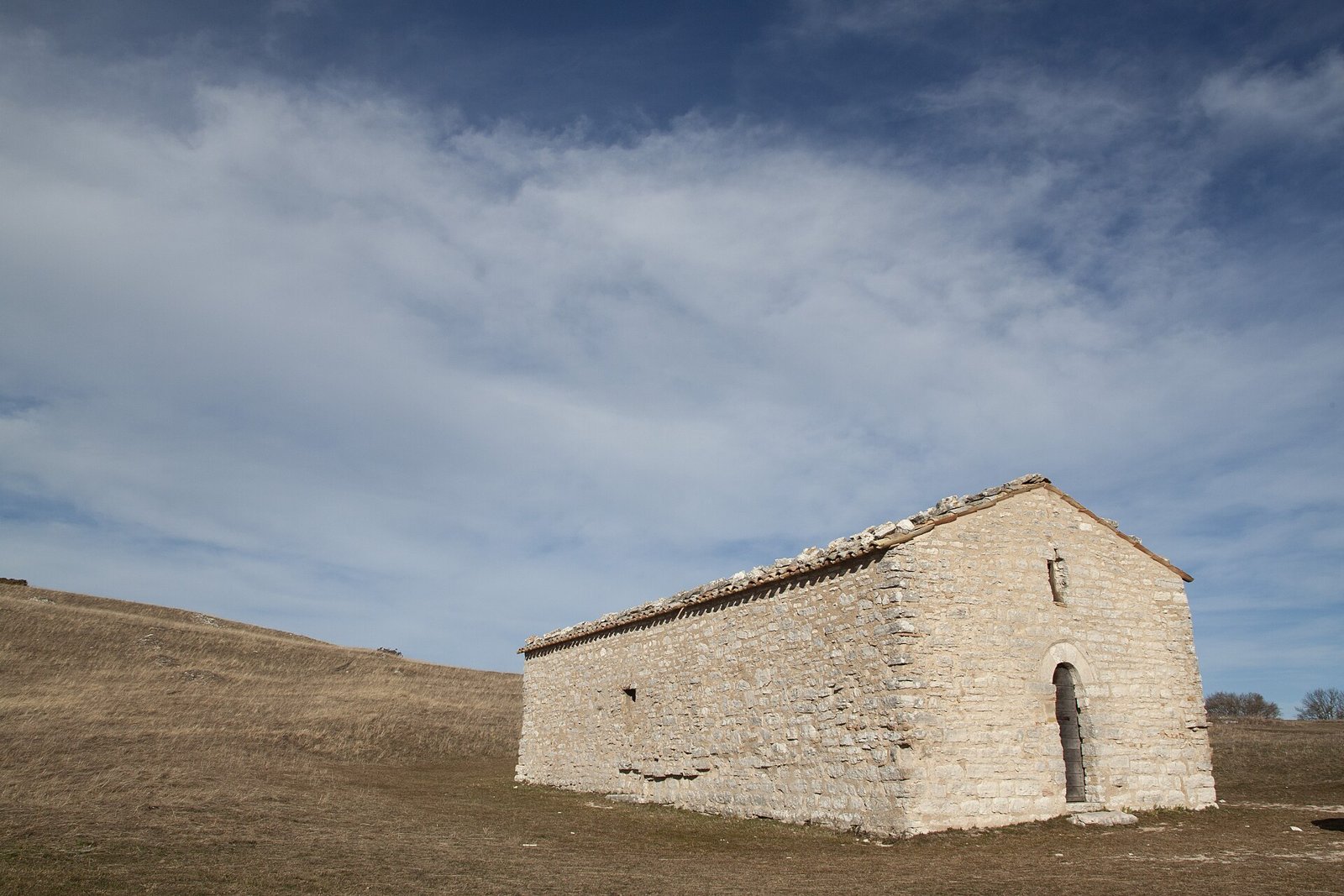
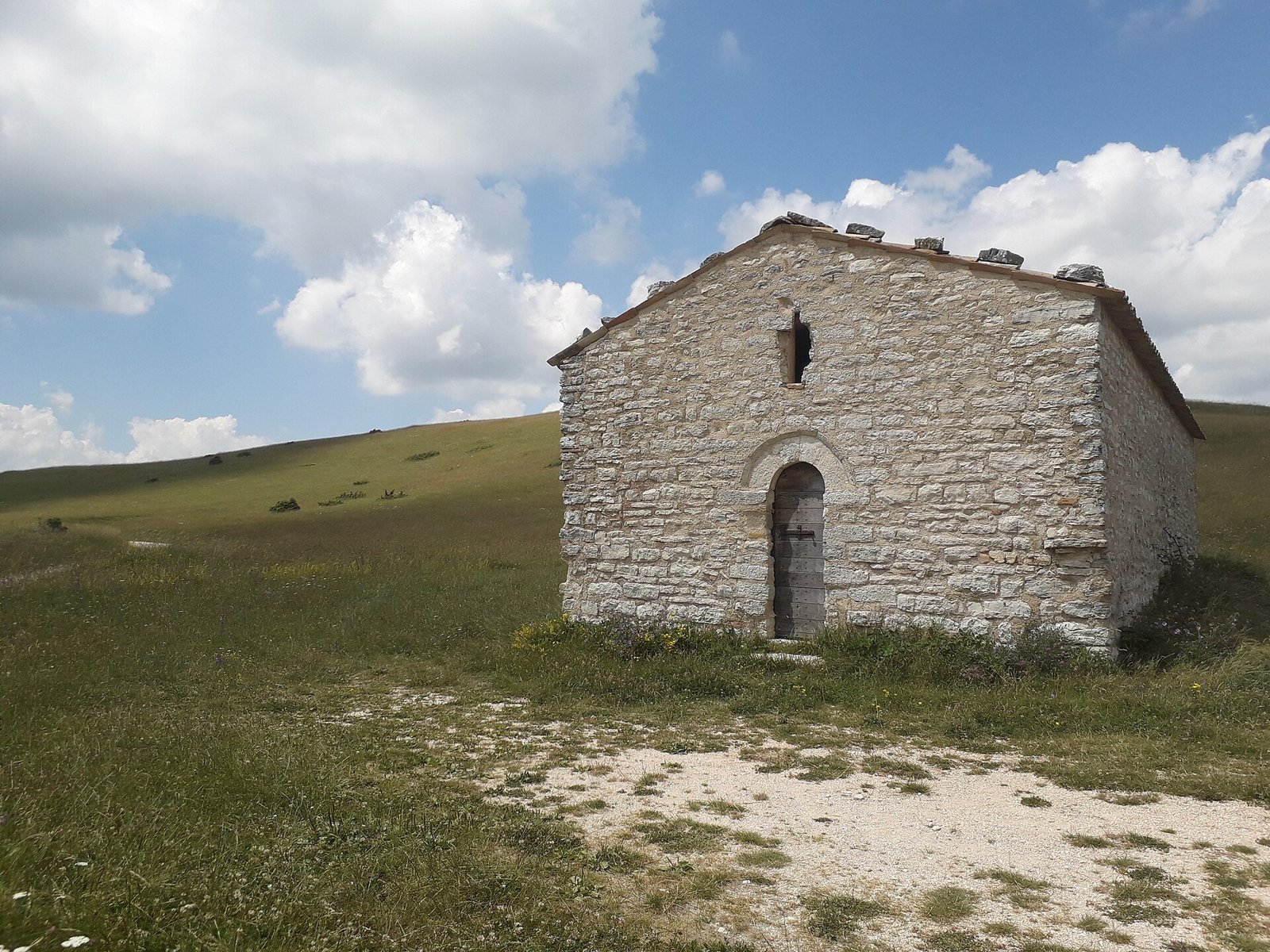
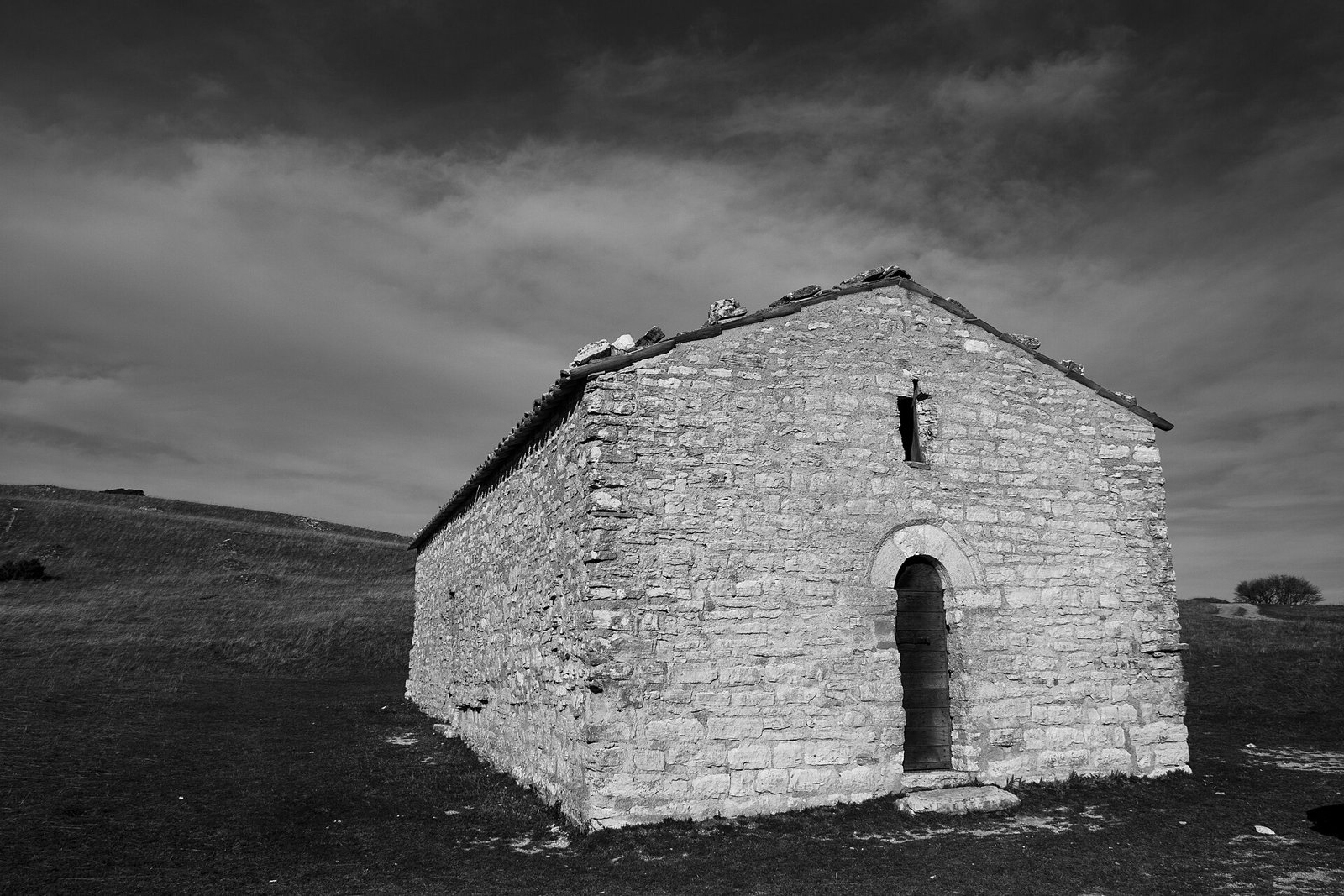
Nestled in the heart of the Sibillini Mountains, where the waters of the Chienti descend among woods and pastures, Valfornace is one of the most evocative gateways to the national park, in the province of Macerata. The municipality was born on 1 January 2017 from the merger of Pievebovigliana and Fiordimonte, two ancient mountain communities that chose to unite history and traditions: the town hall is located in Pievebovigliana, spread out at about 441 metres above sea level, in a territory that rises to exceed the fifteen hundred metres of the Apennine peaks. Its roots reach deep into prehistory, as recounted by the tomb found in the locality of San Francesco, attributed to the seventh century before Christ, and the numerous Picene finds coming from Monte San Savino. Over the centuries the territory was marked by parish churches, castles and lordships, among them the da Varano of Camerino, leaving a heritage that is still felt today among the scattered hamlets. The memory of this land is safeguarded in the Civic Museum, founded in 1936 by Monsignor Raffaele Campelli and housed in the town hall, which retraces the entire social and artistic history of the district, from the prehistoric age to the twentieth-century art collections. Like many villages of the central Apennines, Valfornace was hard hit by the 2016 earthquake and since then lives a slow and tenacious reconstruction, without ceasing to welcome. Recognised with the Orange Flag of the Touring Club, it offers itself to the traveller as a mosaic of unspoilt nature, spirituality and rural wisdom, where time seems to flow to the rhythm of the Sibillini.
Those who arrive in Valfornace discover a landscape in which the testimonies of humankind dialogue with the wild power of the Sibillini Mountains. In the hamlet of San Maroto stands the church of San Giusto, a jewel of Marche Romanesque once linked to the castle of the same name with which, in the Middle Ages, it communicated through light signals: its walls still preserve remains of fourteenth-century frescoes and continue to be the object of international studies. A short distance away, the crypt of the church of Santa Maria Assunta is considered one of the most famous Romanesque monuments in the entire region. Feudal history comes back to life in the castle of Beldiletto, begun in 1380 and transformed into a sumptuous Renaissance residence by the da Varano, who hosted there kings, queens and even Pope Julius II. The heritage is enriched by the Romanesque bridge of Pontelatrave, raised in the fourteenth century on foundations of the Roman age, and by the Gualchiera-Tintoria Cianni, a rare example of industrial archaeology linked to the working of wool. Nature offers equally memorable scenery: Lake Polverina, a reservoir created by the damming of the Chienti and a precious refuge for birdlife, and the small mirror of Boccafornace invite a pause, while the trails of the park open up to trekking, mountain biking and horseback excursions. In the heart of the village the Raffaele Campelli Museum gathers archaeological finds, works of art and memories of the territory, offering the key to reading a landscape where every stone seems to safeguard a story to tell.
The table of Valfornace recounts the pastoral and rural life that for centuries has marked the seasons at the foot of the Sibillini Mountains. In the small dairies scattered among the pastures, cheeses of great character are produced, first among them the pecorino obtained from the milk of the robust Apennine sheep, which among these mountains find their ideal habitat. Alongside sheep-farming are genuine cured meats, quality beef, lamb raised in the open, honey, chestnuts and trout from the streams, while in the woods hide the truffles that perfume the festive dishes. The cuisine draws on the most authentic Marche tradition: the vincisgrassi, rich baked lasagne prepared for great occasions, the pappardelle dressed with wild boar sauce, the roasts of local meats and the preparations embellished by the fragrance of truffle. To close the meal there is no shortage of mistra, a liqueur of ancient origins made from the maceration of still-green anise seeds in alcohol for forty days, enjoyed as a digestif or to correct the coffee. Alongside the flavours, the artisan memory is expressed in the fabrics worked by hand with the ancient technique of the liccetti, a sign of a know-how handed down from generation to generation. Frequenting the agriturismi and osterie of the territory means sitting down to honest and generous tables, where the products are born a few steps from the plate and every recipe preserves the slow taste of the mountain. It is a gastronomy that does not chase fashions, but safeguards the identity of a community bound to its own land.