Altitude
203 m a.s.l.
Coordinates
43° 38′ 56.04″ N
13° 2′ 52.44″ E


Altitude
203 m a.s.l.
Coordinates
43° 38′ 56.04″ N
13° 2′ 52.44″ E
Largo XVII Settembre 1860, n.1-2
60013 Corinaldo (AN)
Italy
Tel.: +(39) 071.67782 int
Fax: +(39) 071.7978043
www.corinaldo.it
iat1@corinaldo.it
Contact person
Giacomo ANIBALDI RANCO
Mob.: +(39) 338.8482559
ft.giacomo_anibaldi@libero.it
Via del Corso, 9
60013 Corinaldo (AN)
Italy
Tel.: +(39) 071.67782
Fax: +(39) 071.7978042
www.corinaldo.it
info@corinaldo.it
comune.corinaldo@mypec.eu
Take a look at some photos of the town
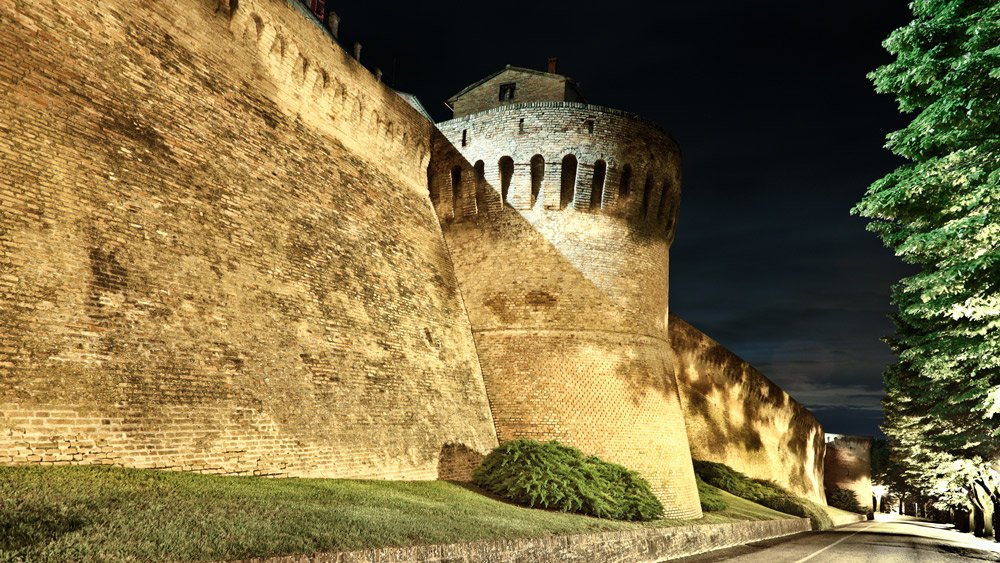
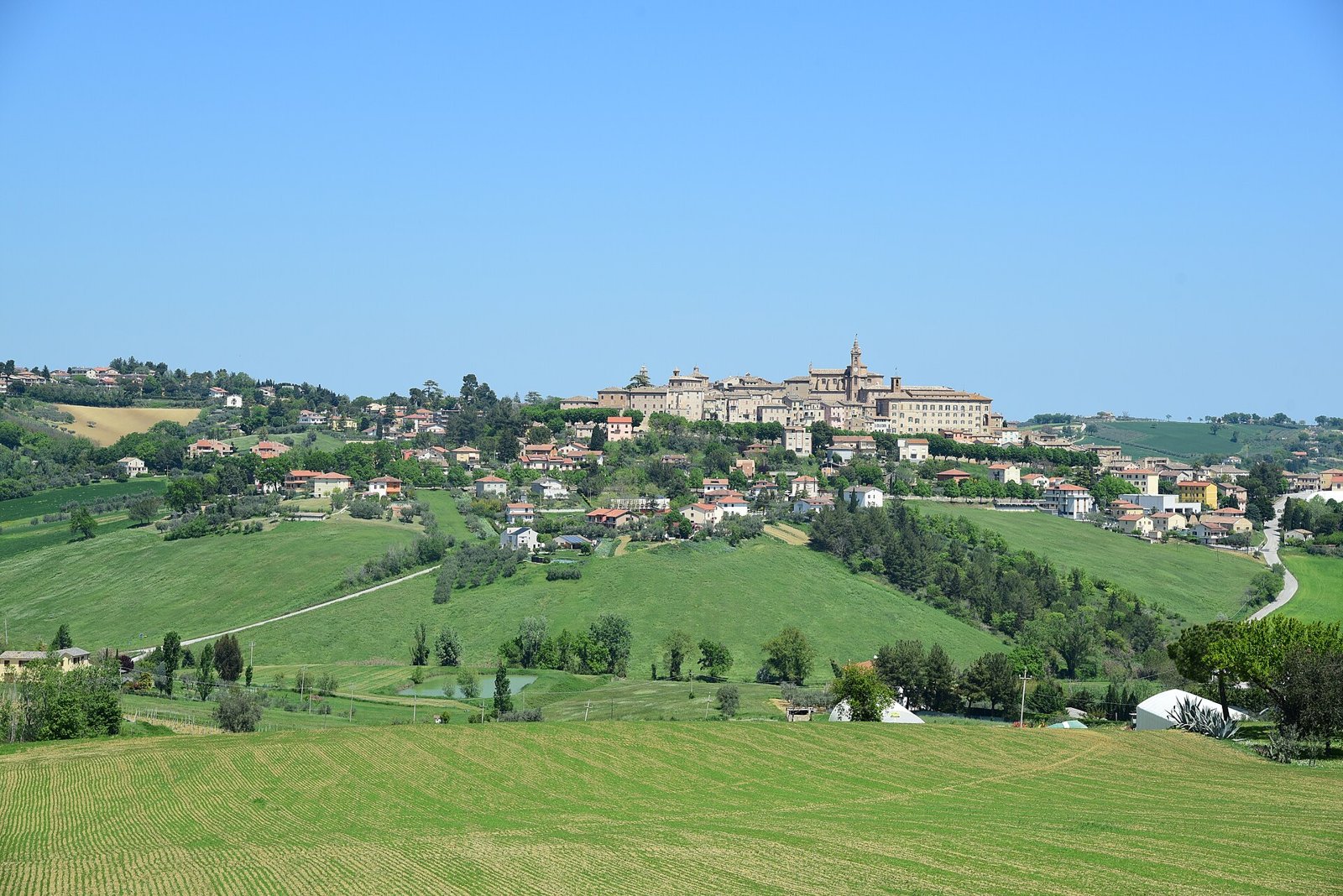
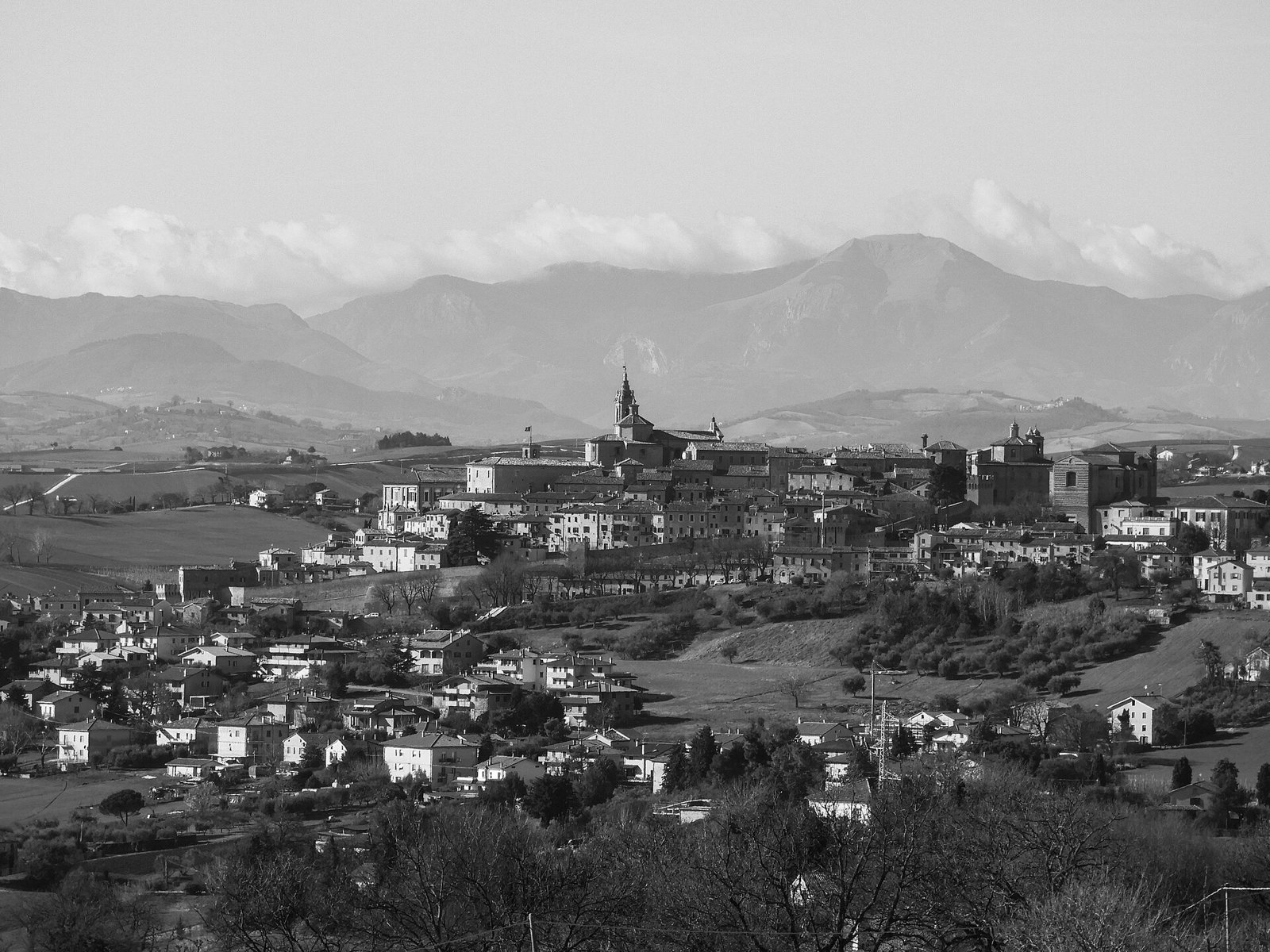
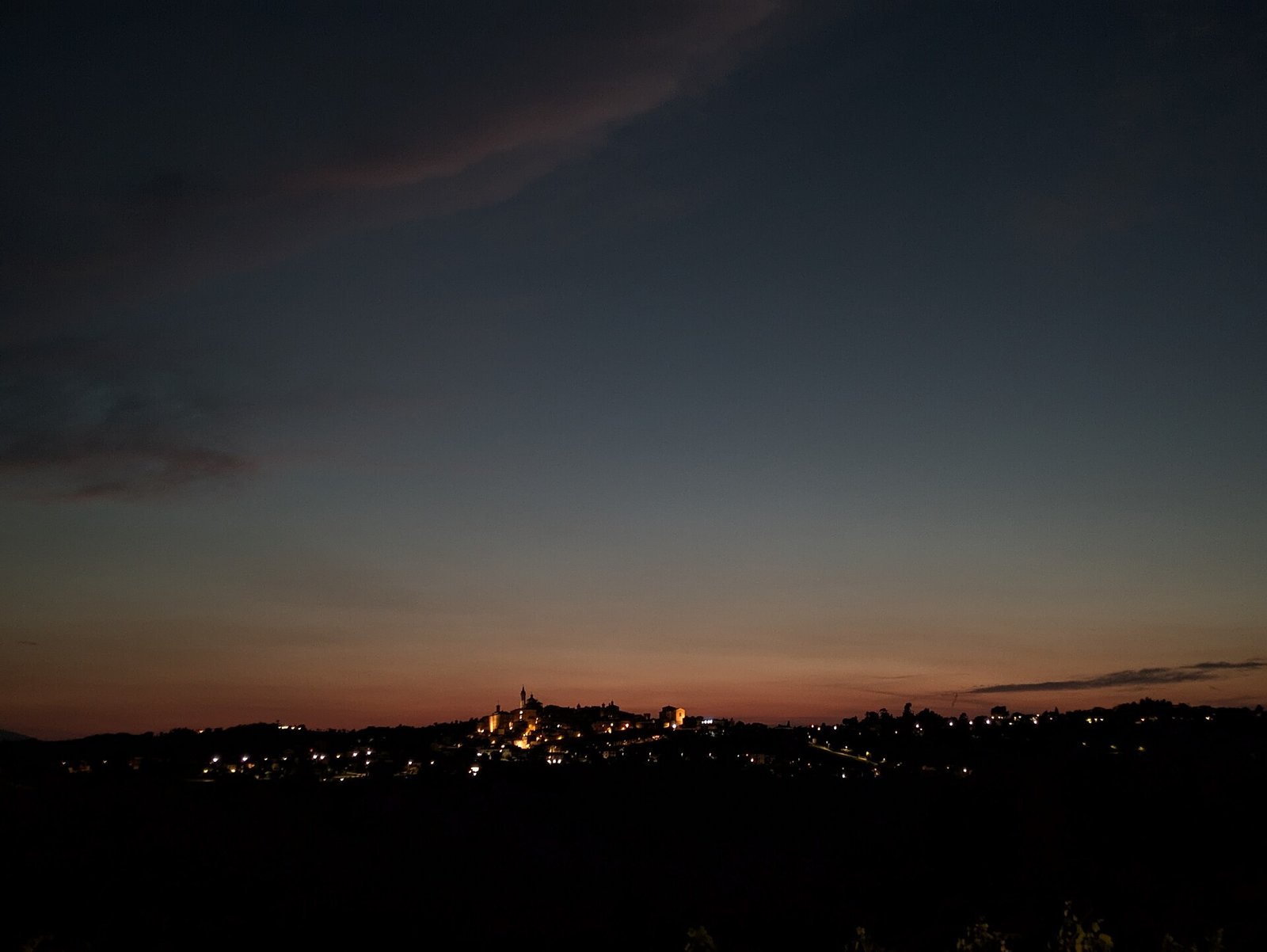
Set on a hill in the Misa valley, a few kilometres from Senigallia, Corinaldo is famous for its fifteenth-century circle of walls, among the most imposing and best preserved in the Marche region, nearly a kilometre long and dotted with towers and bastions. Of ancient origin, the village was rebuilt and fortified after the medieval destructions and became a loyal possession of the Papal States, which financed its powerful defences. The walls withstood even the siege of 1517, an episode that fuelled civic pride and became part of the village's collective memory. Birthplace of Saint Maria Goretti, Corinaldo preserves an intact historic centre, with the scenic stairway of the Pozzo della Polenta, tied to a celebrated popular legend that still today enlivens local traditions. Recognised among "The most beautiful villages in Italy" and awarded the Orange Flag, the village is today also known as the Italian capital of Halloween, thanks to the great Festa delle Streghe (Festival of the Witches) that every autumn brings its streets to life, uniting tradition, folklore and spectacle in a medieval setting of rare charm. Around the hill stretches a landscape of gentle hills planted with vineyards and wheat, sloping down towards the Adriatic coast, a harmonious territory where the history of fortifications intertwines with that of country life, among farmhouses, rows of vines and ancient ridge roads. To walk along the wall walkway, among towers and bastions, means to read centuries of history under the open sky, in a village that has known how to preserve memory, faith and popular traditions.
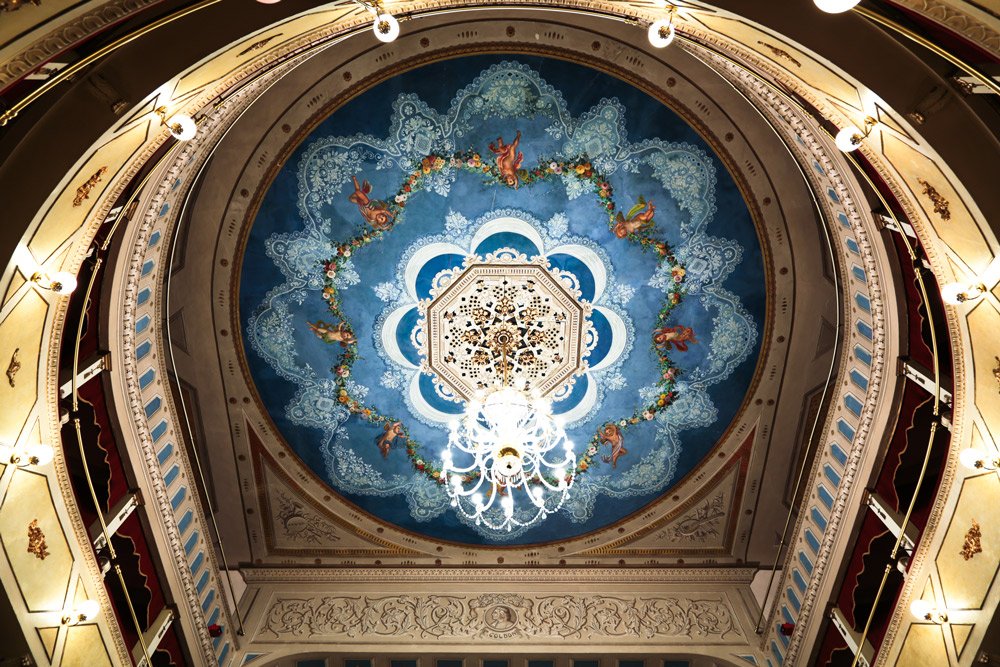
The symbolic monument is the walls, which can be walked along the sentry walkways, with the Torre dello Sperone and the gateways into the village, which still today welcome the visitor as in times past. Inside, the celebrated Piaggia with the stairway of the Pozzo della Polenta is the most photographed view, together with the alleys and squares of the historic centre, where every corner recounts centuries of history. Worth seeing are the Sanctuary of Santa Maria Goretti, the Baroque churches, the Carlo Goldoni theatre and the noble palaces that bear witness to the community's past wealth. Museums and collections recount local history and traditions, among sacred art, civic memories and popular culture. In the surroundings open gentle hills planted with vineyards, among them those of Verdicchio, ideal for food-and-wine and cycle-tourism itineraries along panoramic roads set amid the countryside. Its proximity to Senigallia and the Adriatic coast allows village, sea and countryside to be combined in a single journey, while the costumed festivals and the Festa delle Streghe offer a unique experience between history and folklore. Strolling among the walls at sunset, when the light sets the brick of the towers aglow, is one of the most evocative ways to grasp the authentic soul of this walled village, guardian of a rare heritage. In the alleys and squares, among artisan workshops and welcoming venues, one breathes the quiet life of a community bound to its own traditions, which over the course of the year fills the streets with festivals, costumed processions and popular events.
The cuisine of Corinaldo is the genuine fare of the Misa valley, rich in handmade pasta and country flavours, the fruit of a tradition handed down in family kitchens. Among the first courses stand out cappelletti in broth, tagliatelle and vincisgrassi, a rich lasagne of Marche tradition, the star of feast days. There is no shortage of roast meats, coniglio in porchetta and local cured meats, among them the celebrated lonzino di fico, a sweet speciality made from dried figs typical of the area. Cheeses, olives and field vegetables complete a simple and flavoursome table, tied to the rhythm of the seasons and to the produce of the vegetable garden. Providing the backdrop are the great wines of the surrounding hills, first of all Verdicchio dei Castelli di Jesi and Lacrima di Morro d'Alba, produced in the nearby territories and celebrated in the local cellars. Among the desserts one enjoys crostate, ciambelloni and traditional biscuits. The many food festivals and the lively Festa delle Streghe offer the chance to savour these typical products in a festive atmosphere, rediscovering the hospitality and authentic rhythms of the Marche countryside, where the table remains a moment of sharing and encounter between generations, able to recount in every dish the deep bond between the community and its land. In the trattorias and farmhouse restaurants of the hills one still finds the aromas and gestures of the cooking of times past, from pasta rolled out with the rolling pin to wood-fired bread, in a simple and generous cuisine that reflects the hospitable soul of this village.