Altitude
513 m a.s.l.
Coordinates
42° 59′ N
13° 36′ E


Altitude
513 m a.s.l.
Coordinates
42° 59′ N
13° 36′ E
Punto Informazioni Turistiche / Pro Loco Montalto
Piazza Sisto V – 63068 Montalto delle Marche (AP)
Opening hours (stagione turistica): Wednesday and Thursday 9:30–12:30, Friday and Saturday 16:00–19:00, Sunday 11:00–12:30 e 15:30–19:00
Tel./WhatsApp: +39 331 9953625
email info@visitmontaltomarche.it
website www.visitmontaltomarche.it
Comune di Montalto delle Marche
Piazza Umberto I, 12 – 63068 Montalto delle Marche (AP)
Opening hours: uffici comunali dal Monday al Friday 9:00–13:00; Tuesday and Wednesday anche 15:00–18:00
Tel.: +39 0736 828015
PEC com.montalto.ap@emarche.it
email comune@comune.montaltodellemarche.ap.it
website www.comune.montaltodellemarche.ap.it
Take a look at some photos of the town
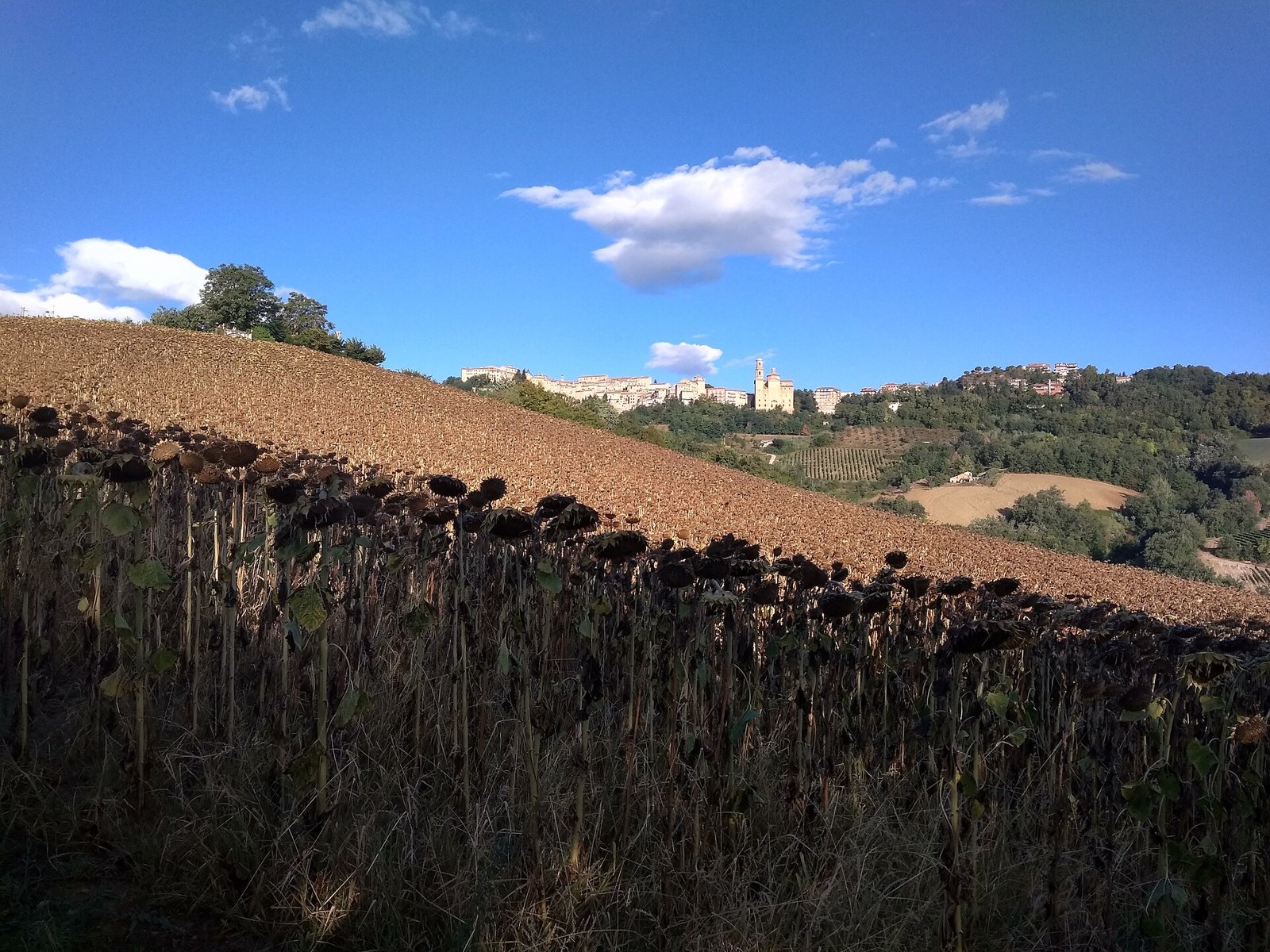
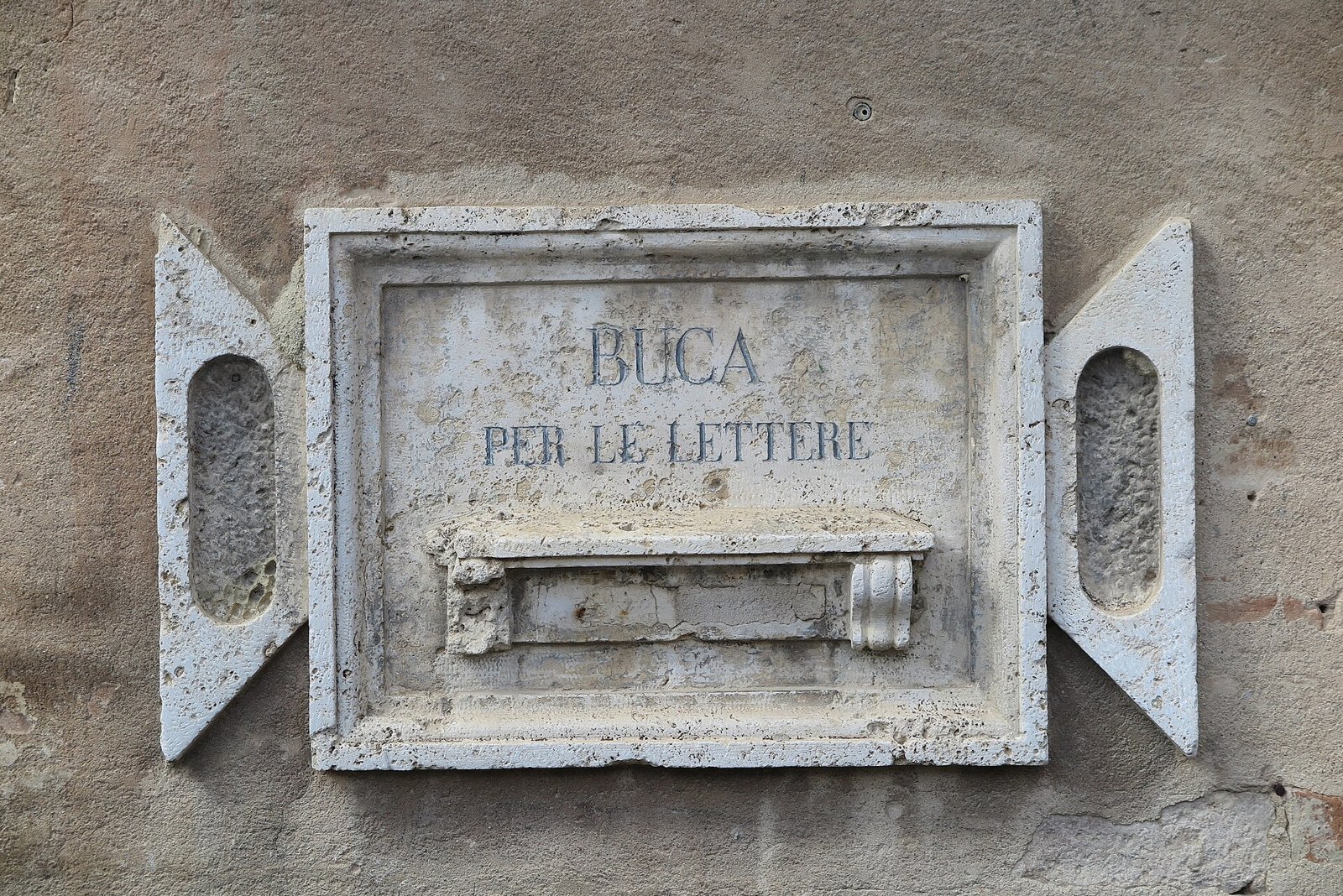
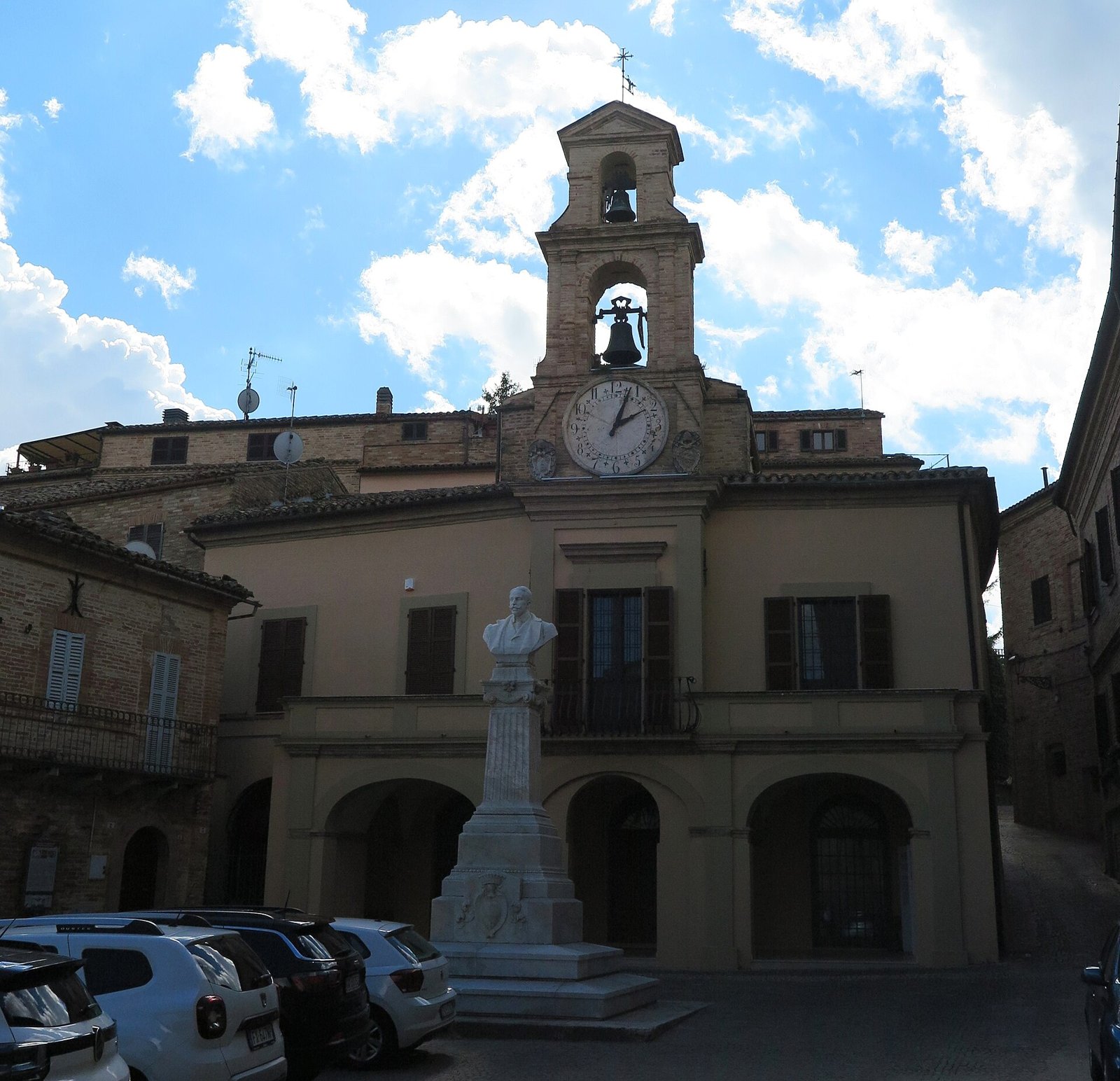
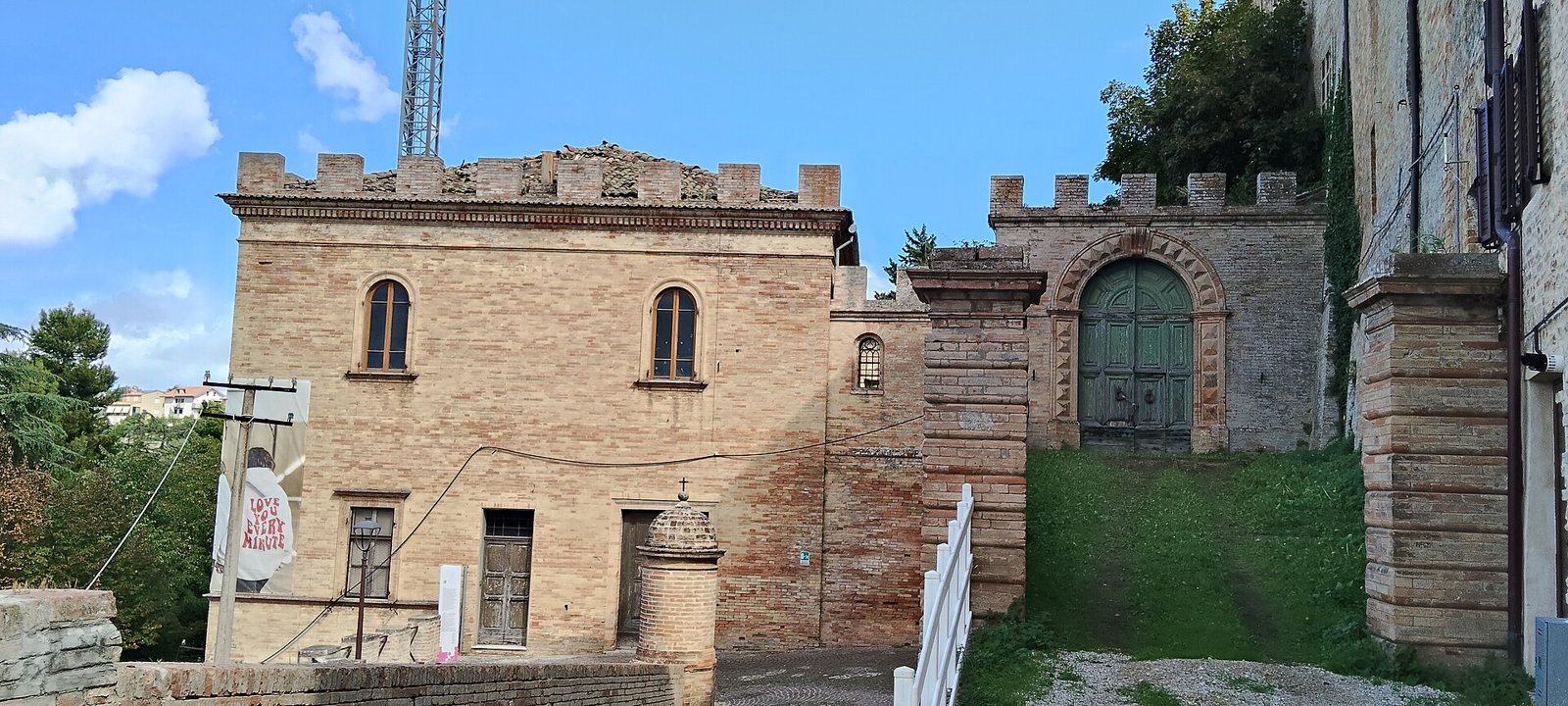
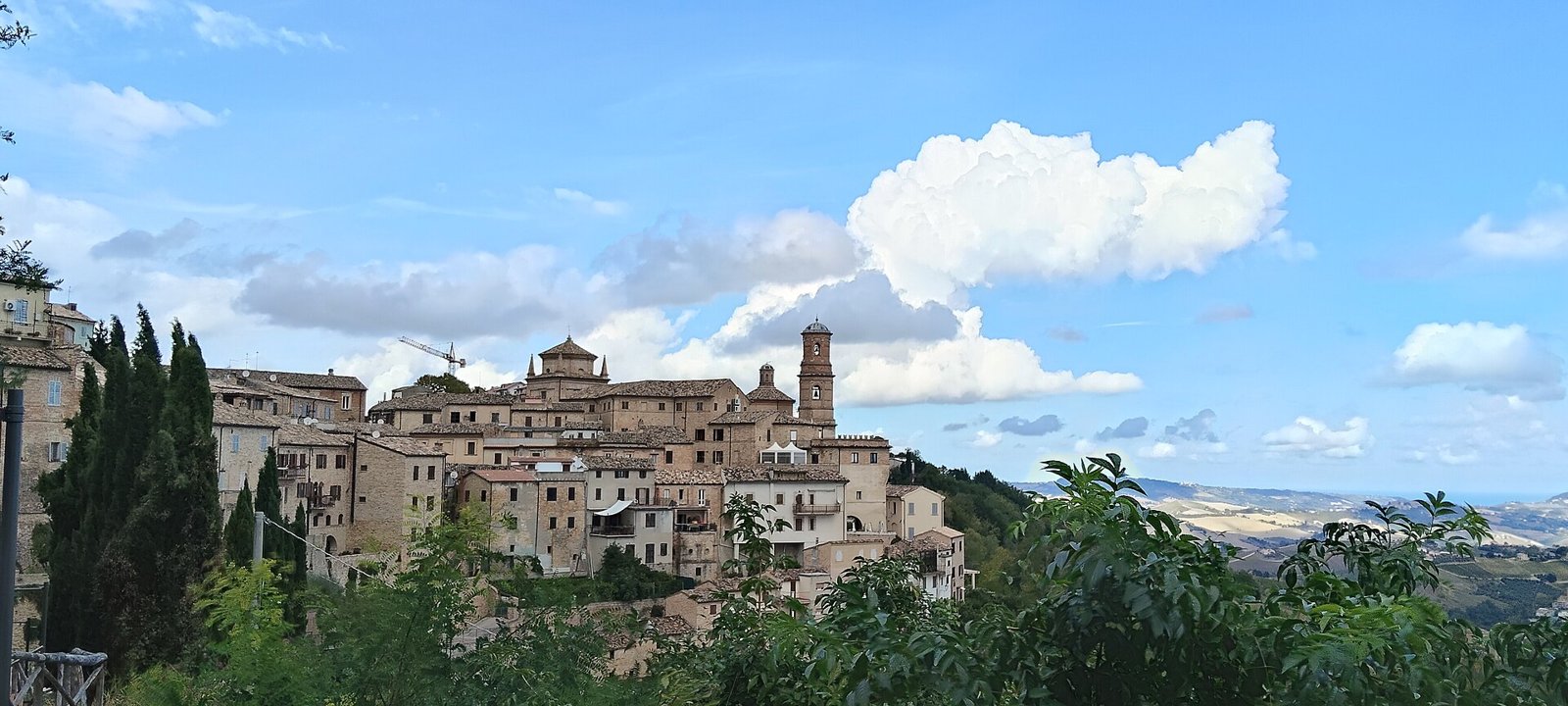
Perched on a ridge of the Piceno hills, at about 513 metres above sea level, Montalto delle Marche dominates the amphitheatre of valleys that rises from the Adriatic towards the Sibillini Mountains, in the province of Ascoli Piceno. Its territory bears witness to a very ancient presence, with traces dating back to the Neolithic and testimonies left by the Piceni and the Romans; the town took shape in the early Middle Ages, when the commune of Ascoli gathered here the people of the nearby castles destroyed by the Lombards. The village's history, however, is intertwined above all with the figure of Felice Peretti, the Franciscan friar of Montalto origins who, having risen to the pontifical throne in 1585 with the name of Sixtus V, never forgot what he called his most beloved homeland. The pope elevated it to the rank of city and episcopal see, making it the capital of a vast Presidato that brought together numerous communes, with its own governor and even the faculty to mint coinage; he granted tax exemptions, freedom of trade, the right to appoint the podesta and donated a precious reliquary. From that bond arises the epithet of Sistine city with which the town still presents itself to the traveller today. Having lost its privileges between the eighteenth and nineteenth centuries, Montalto nonetheless retained a role of prominence in the Piceno hinterland, attested by its compact and dignified appearance. In 2025 the village obtained the Orange Flag of the Touring Club Italiano, a recognition reserved for the small inland localities that combine quality of hospitality, culture and care of the landscape.
Enclosed within the fourteenth- and fifteenth-century walls, the historic centre of Montalto delle Marche is discovered by strolling among cobbled alleyways, stone houses and silent little squares, where the ancient access gates still open: Porta dei Leoni, Porta Marina and Porta Patrizia, flanked by massive polygonal towers. The heart of the village is the Co-Cathedral Basilica of Santa Maria Assunta, built in 1589 at the behest of Sixtus V, which with its bulk recalls the indissoluble bond between the town and the Piceno pontiff. Right opposite, in the Palazzo della Signora, is the seat of the Museo Sistino Vescovile, a treasure chest of sacred art in which is kept the famous cross-shaped reliquary donated by the pope to his city in 1586, a masterpiece of goldsmithery. A short distance away, the Archaeological Museum gathers over three thousand finds documenting the long history of the territory, from the Piceni to the Roman age. Along the streets stand the palaces of the ancient noble families, such as Palazzo Sacconi, Palazzo Paradisi and Palazzo Pasqualini, witnesses of a cultured and refined past. Outside the town, the Convento delle Fratte deserves a stop, which tradition holds to have been founded by Saint Francis in 1215 and embellished with frescoes of the Giottesque school, a place dear also to the young Felice Peretti. From every vantage point, finally, the gaze loses itself over the hills planted with vineyards and olive groves, with the blue of the Adriatic on one side and the profile of the Sibillini on the other, in a panorama that is itself part of the village's heritage.
The table of Montalto delle Marche recounts the rural and festive soul of the Piceno, where the flavours of the hilly hinterland meet those of the nearby Adriatic coast. Among the first courses triumph the vincisgrassi, rich baked lasagne of the Marche tradition, alongside the soups of old, the bruschette and the panzanelle prepared with home-made bread. In the main courses the gestures of humble cuisine return: the tripe, the frittata with mentuccia and the chicken roasted co' lu pilotto, flavoured by letting a thick slice of burning lard drip over it. The undisputed queen of the cured meats is ciauscolo, a soft, spreadable sausage offered to the guest as a sign of welcome, while extra-virgin olive oil and the Ascolan salamora, obtained by macerating wild fennel, orange peel and garlic in the new oil, perfume the autumn preparations. Completing the picture are the wines of these hills, sheltered by the Sibillini and caressed by the sea breeze: Rosso Piceno and its Superiore, the whites Falerio dei Colli Ascolani, Pecorino and Passerina, fresh and mineral. Not to be missed, finally, is vino cotto, a sweet nectar obtained from the slow cooking of the must and kept for a long time, which on summer evenings is savoured on its own or in company with small sweets and slices of peach. Every taste, between village festivals and ancient family recipes, thus becomes a way to get to know closely the generosity and the memory of this Sistine land.