Altitude
429 m a.s.l.
Coordinates
43° 38′ 50.64″ N
12° 20′ 12.59″ E


Altitude
429 m a.s.l.
Coordinates
43° 38′ 50.64″ N
12° 20′ 12.59″ E
Piazza Garibaldi 5
61040 Mercatello sul Metauro (PU)
Italy
Tel.: +(39) 0722.89114
Fax: +(39) 0722.89840
www.comune.mercatellosulmetauro.pu.it
luca@gibisnc.it
Contact person
Luca BERNARDINI
Mob.: +(39) 339.8474688
luca@gibisnc.it
Piazza Garibaldi, 5
61040 Mercatello sul Metauro (PU)
Italy
Tel.: +(39) 0722.89114
Fax: +(39) 0722.89840
www.comune.mercatellosulmetauro.pu.it
comune.mercatello@provincia.ps.it
comune.mercatello@emarche.it
Take a look at some photos of the town
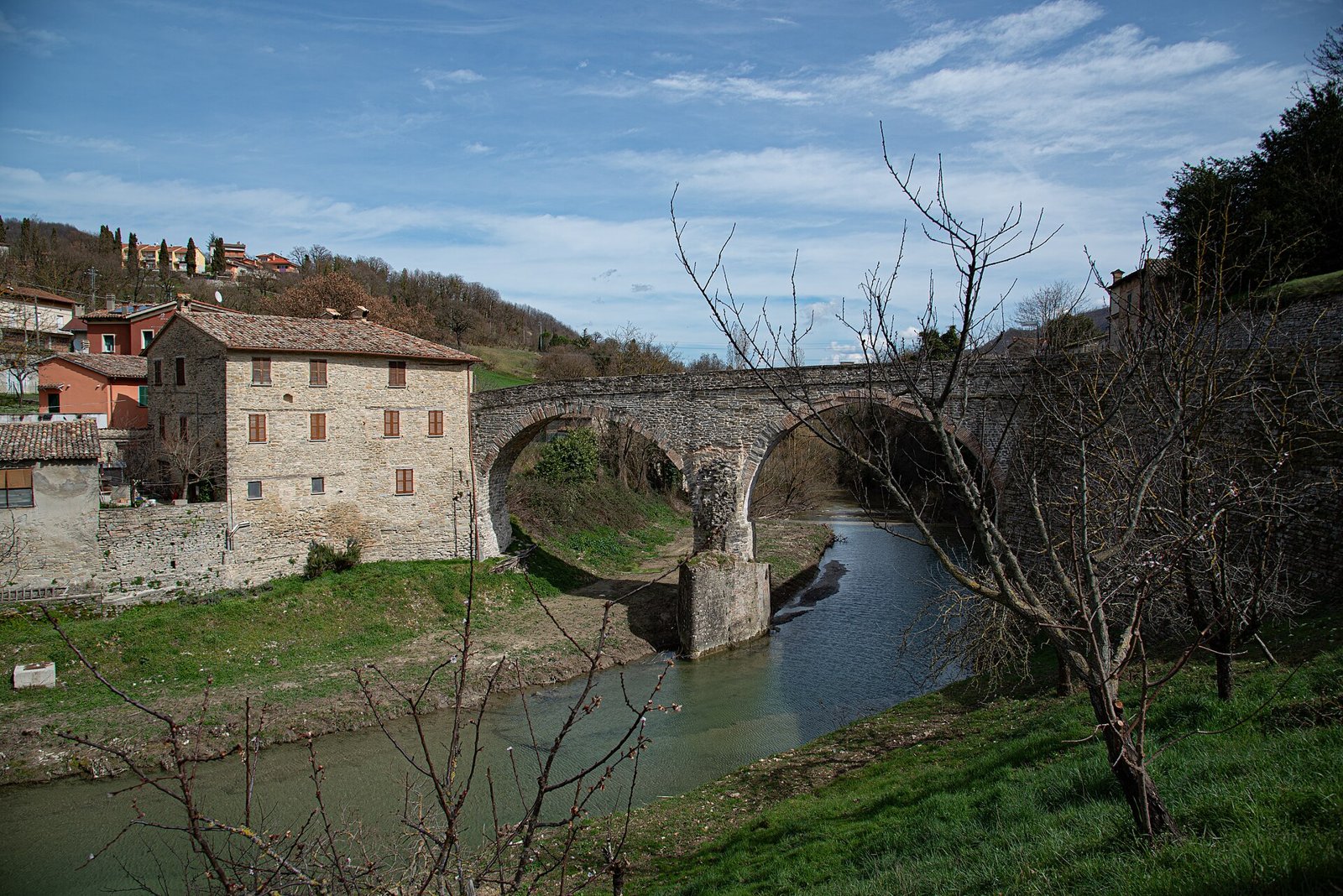
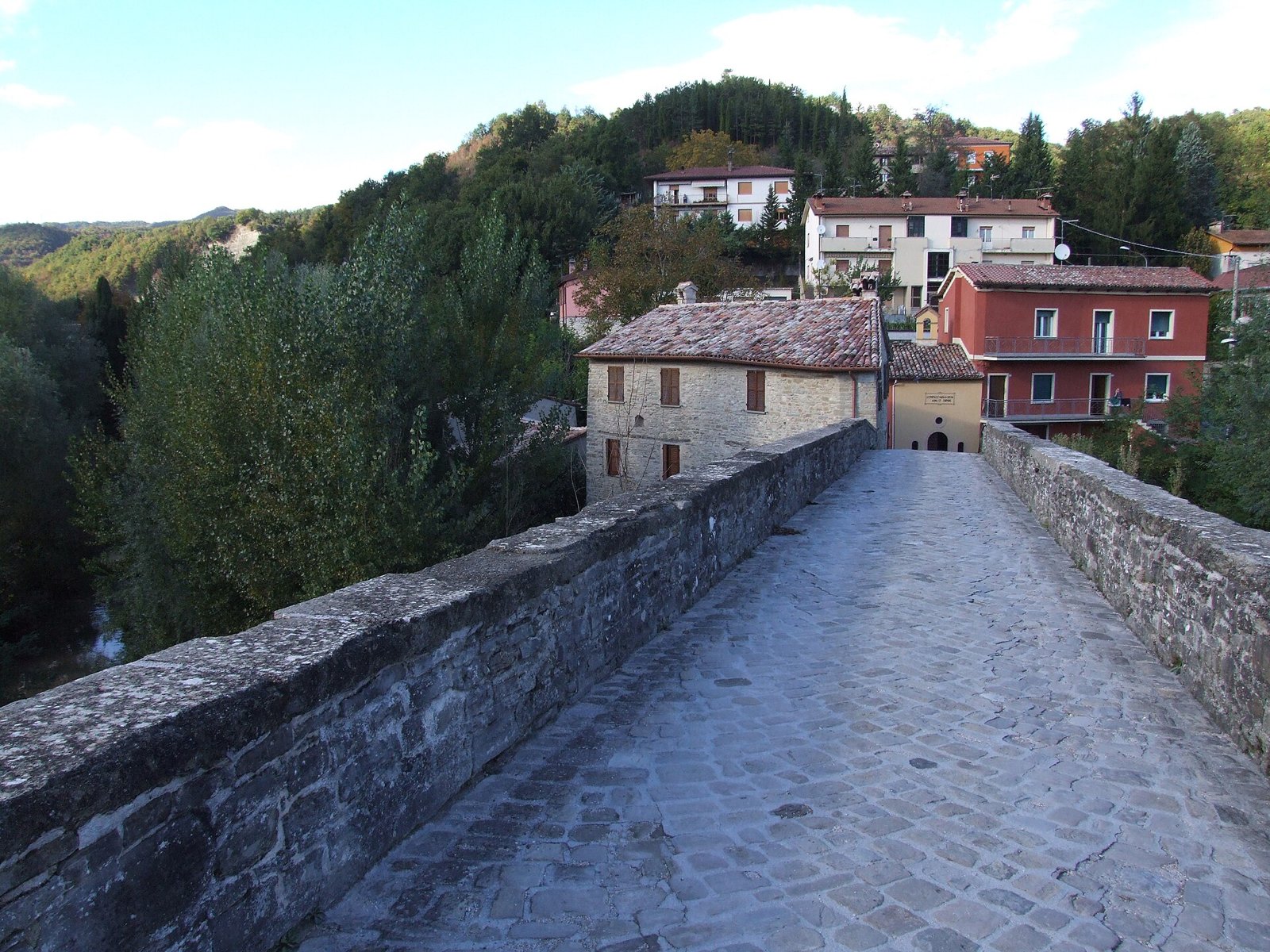
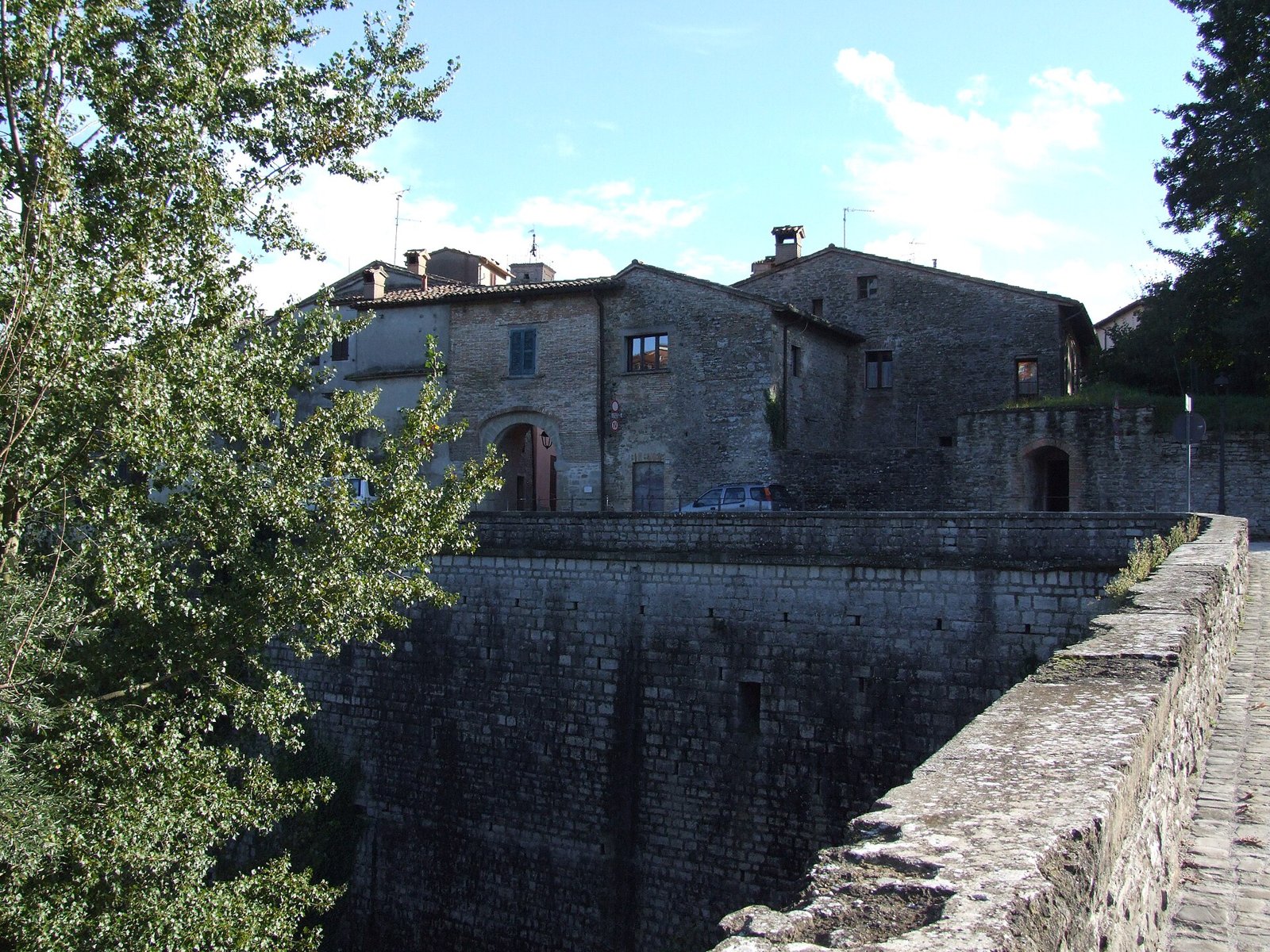
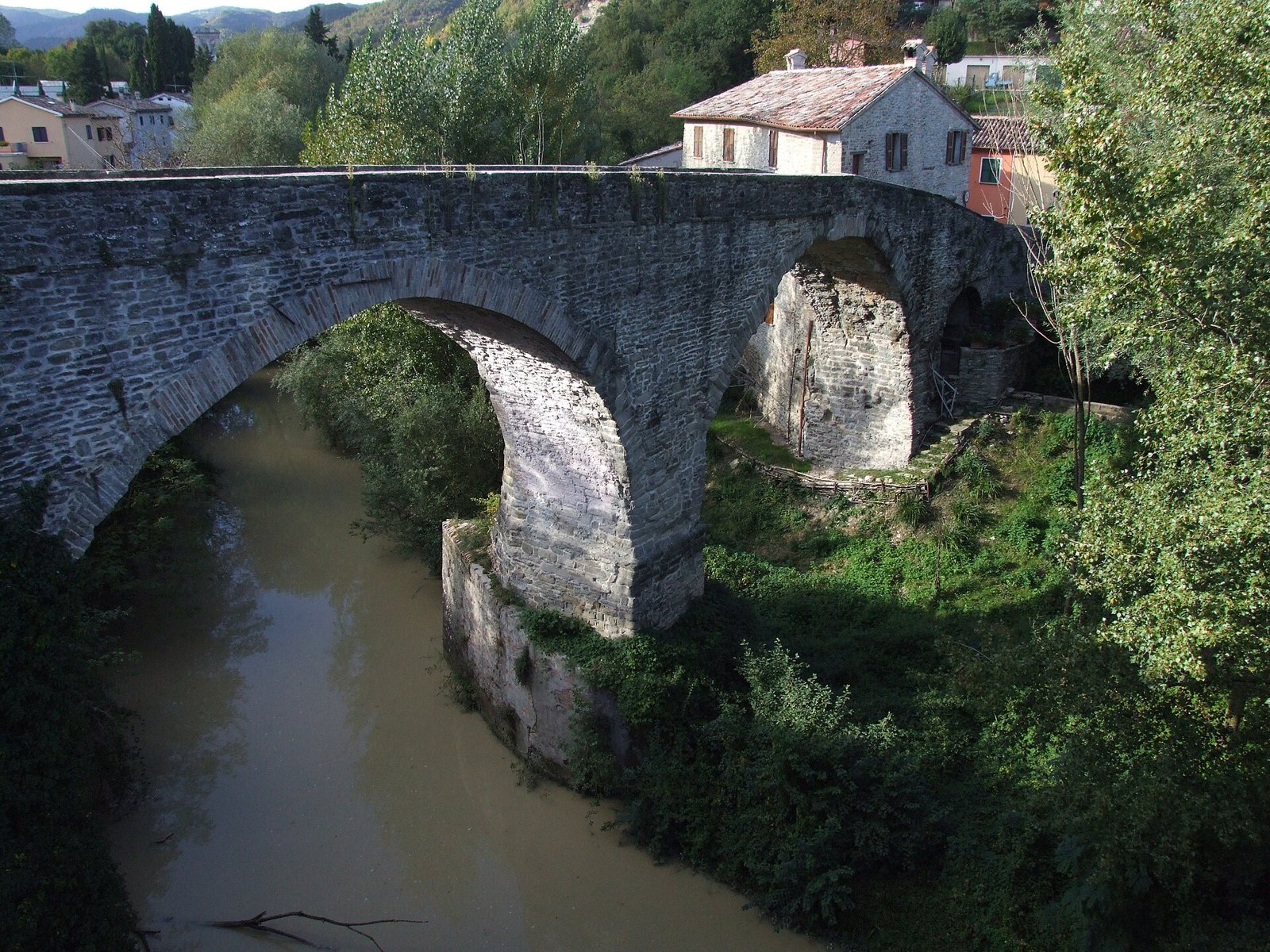
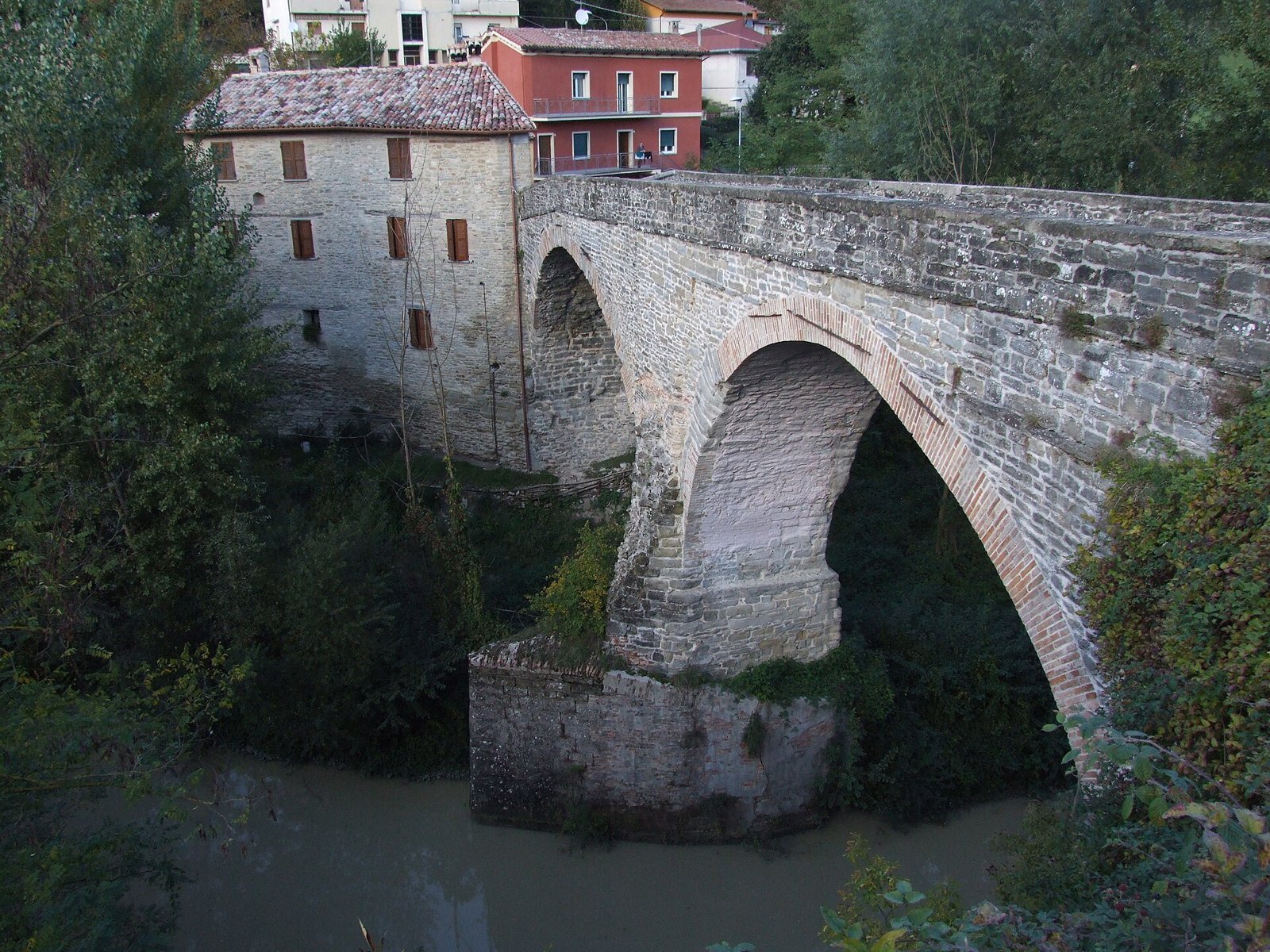
Set in the upper Metauro valley, on the border between Marche, Tuscany and Umbria, Mercatello sul Metauro arose as a free commune around a medieval market, from which its name derives. Grown up along an important transit route between Adriatic and Tyrrhenian, it soon entered the orbit of the Montefeltro and then of the Della Rovere, following the fortunes of the Duchy of Urbino. The village preserves a clearly legible medieval layout, with its arcaded square, noble palaces and churches that bear witness to a past of religious and cultural fervour. It was the birthplace of blessed figures and ecclesiastical personalities and was home to important convents and confraternities, which made it a lively centre of spirituality and learning. Passing to the Papal States with the extinction of the Della Rovere, it followed their vicissitudes until the Unification of Italy. The surrounding landscape, made of gentle hills, woods and cultivated fields, accompanies the course of the river and preserves the intimate atmosphere of the hinterland villages. Awarded the Orange Flag of the Touring Club, Mercatello is today a quiet village immersed in a landscape of hills and woods, appreciated for its heritage of sacred art and for its closeness to destinations such as Urbino, Sant'Angelo in Vado and the sources of the Metauro. Its position as a crossroads between three regions makes it a meeting point of cultures, traditions and flavours, where history can still be breathed among the stones of the alleys and in the silence of its ancient churches. Crossed by the course of the Metauro, the area preserves mills, bridges and farmhouses, witnesses to a deeply rooted and still living rural civilisation.
The most precious monument is the church of San Francesco, an authentic treasure chest of art, with the adjoining Museum that guards painted crosses, panels and works of the Rimini and Marche schools between the 13th and 15th centuries, testimony to an extraordinary artistic flowering. Worth seeing are the Collegiata, the church of San Pietro and the numerous religious buildings that dot the centre, together with the palaces facing the arcaded square, the heart of city life and meeting place of the community. Strolling among the alleys one comes upon stone portals, courtyards and glimpses of an ancient flavour, where time seems to flow more slowly. Along the river Metauro and in the surrounding countryside open up nature itineraries among woods, mills and old bridges, ideal for walks on foot and by bicycle, among the song of the water and the scents of the riparian vegetation. Its border position makes the village an excellent starting point to discover the upper Metauro valley, the Montefeltro and the art centres of the Duchy of Urbino, on an itinerary that unites history, spirituality and nature. Nearby, one can easily reach Urbino, a World Heritage Site, and Sant'Angelo in Vado, along the roads that climb towards the Apennines and the sources of the river, in a landscape of rare harmony that invites a slow and mindful tourism, far from the more beaten tracks. Every season lends a different face to the village, from the soft colours of spring to the golden tones of autumn, when the woods light up and the life of the village gathers around traditions and popular festivals.
The cuisine of Mercatello is that of the hinterland, rich in handmade pasta, truffles and produce of the wood, the expression of a generous land and a rooted farming tradition. Among the first courses triumph tagliatelle, passatelli, cappelletti in broth and maccheroncini dressed with ragù or with truffle, which the Metauro valleys yield in several varieties during the year. Crescia sfogliata, cooked on the testo and filled with cured meats and cheeses, is a must on the festive table and on convivial occasions. Among the typical products are local salumi, sheep's cheeses and the prized formaggio di fossa, accompanied by mushrooms, chestnuts and pulses from the surrounding countryside, the protagonists of the autumn cuisine. Giving character to the dishes is Bianchello del Metauro wine, a fresh white of the valley, flanked by the reds of the Colli Pesaresi. The desserts are the genuine ones of the farming tradition, from crostate to ciambelloni, prepared according to recipes handed down within the family. The numerous village fairs celebrate these flavours, offering the chance to discover the zero-kilometre products and the authentic hospitality of this border land, where the table remains a moment of encounter and celebration, able to tell, in every dish, of the deep bond between the community, its seasons and the landscape that surrounds it. In the trattorias and farm inns of the area one still finds today the scents and gestures of the cuisine of times past, in a rite of conviviality that unites the generations.