Altitude
661 m a.s.l.
Coordinates
43° 7′ 54.55″ N
13° 3′ 49.79″ E


Altitude
661 m a.s.l.
Coordinates
43° 7′ 54.55″ N
13° 3′ 49.79″ E
Corso Vittorio Emanuele II, 21
62032 Camerino (MC)
Italy
Tel.: +(39) 0737.632534
Fax: +(39) 0737.632534
www.proloco.camerino.sinp.net
proloco@camerino.sinp.net
Contact person
Donatella PAZZELLI
Tel.: 0+(39) 0737.634702
cultura@camerino.sinp.net
Corso Vittorio Emanuele II, 17
62032 Camerino (MC)
Italy
Tel.: +(39) 0737.634711
Fax: +(39) 0737.630423
www.comune.camerino.mc.it
comune@camerino.sinp.net
comune.camerino.mc@legalmail.it
Take a look at some photos of the town
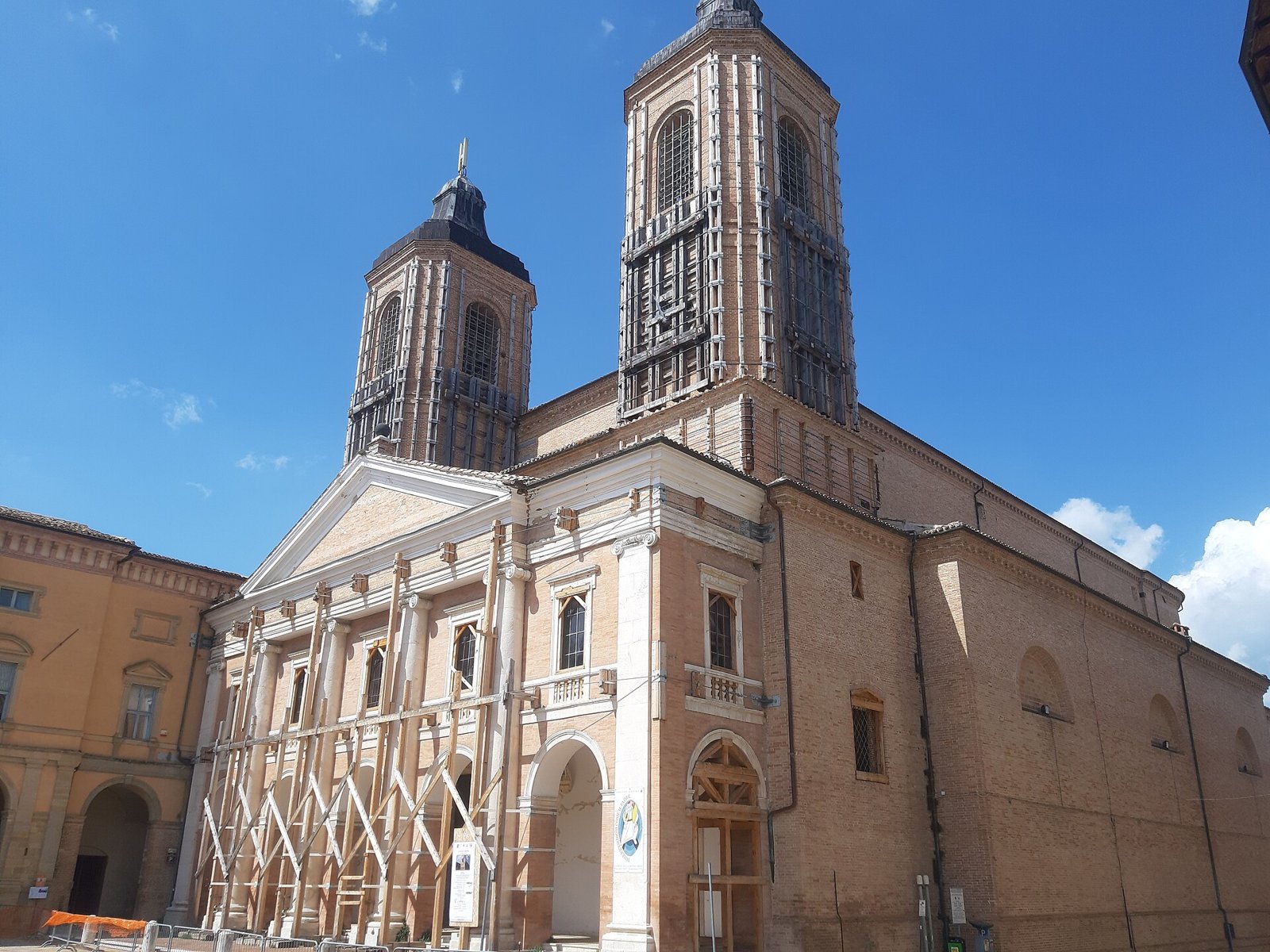
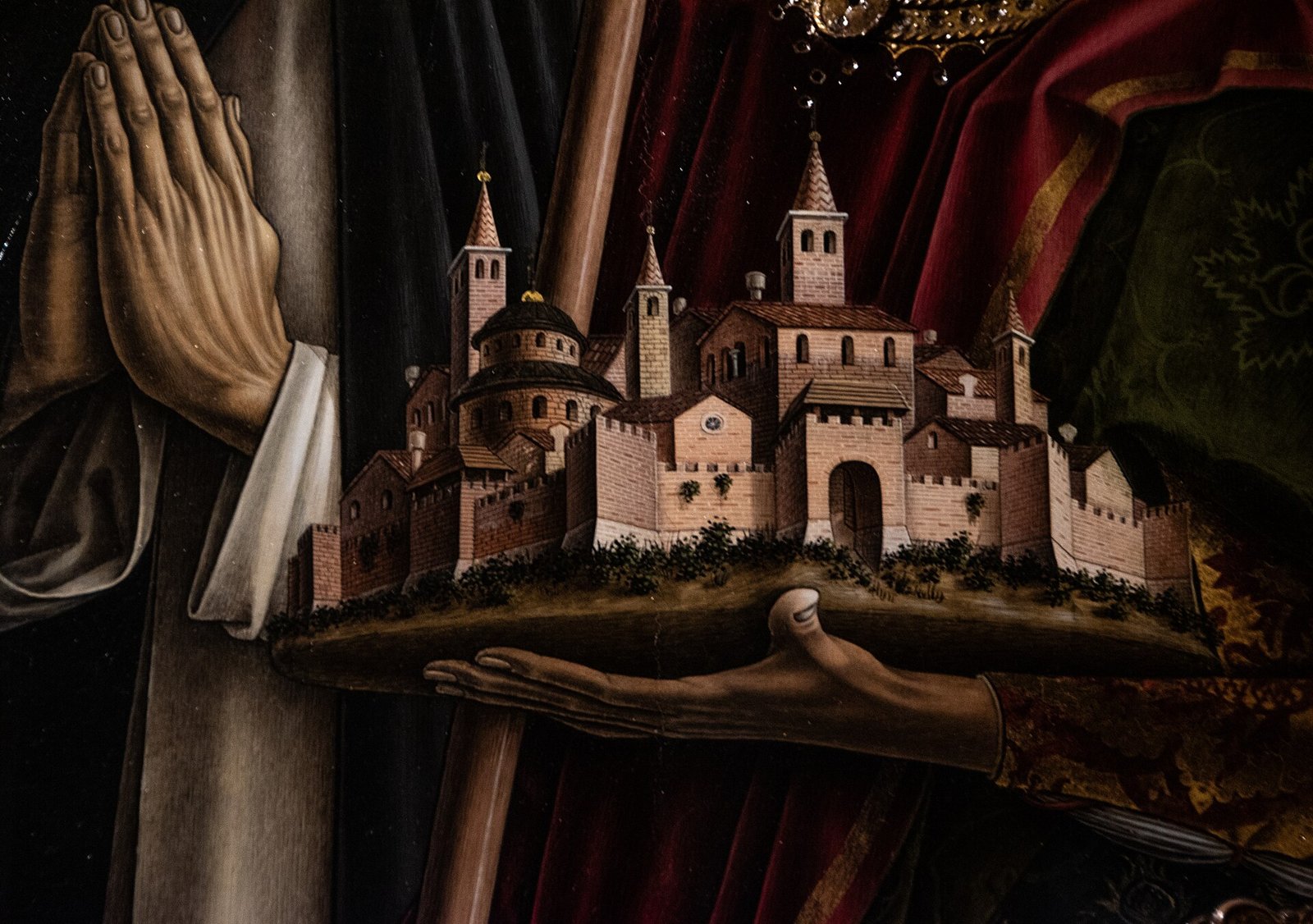
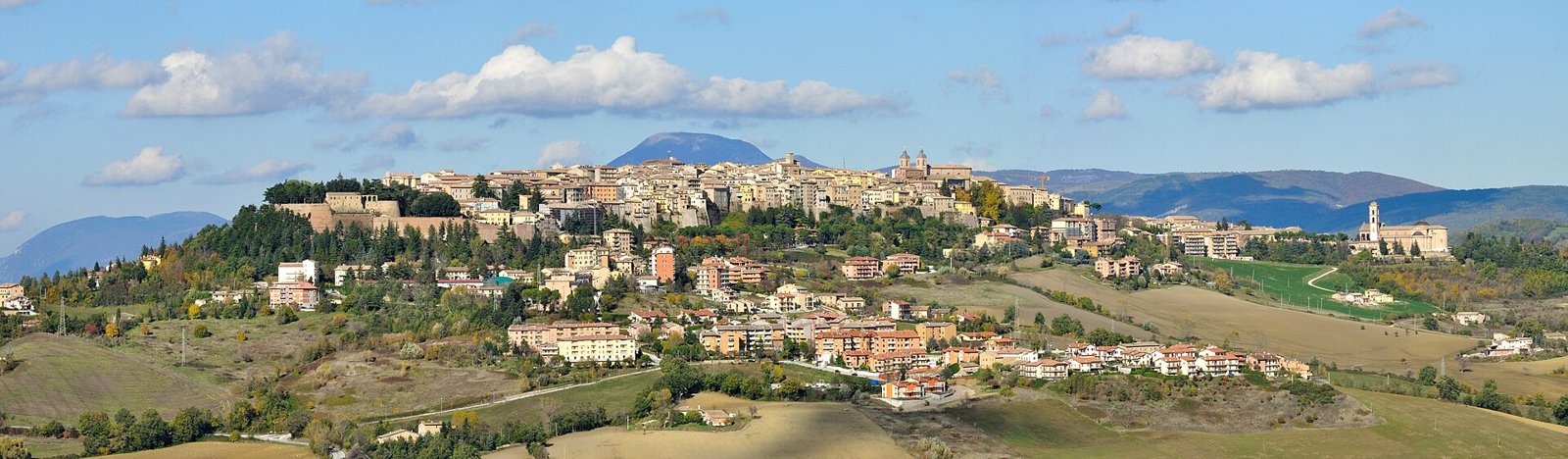
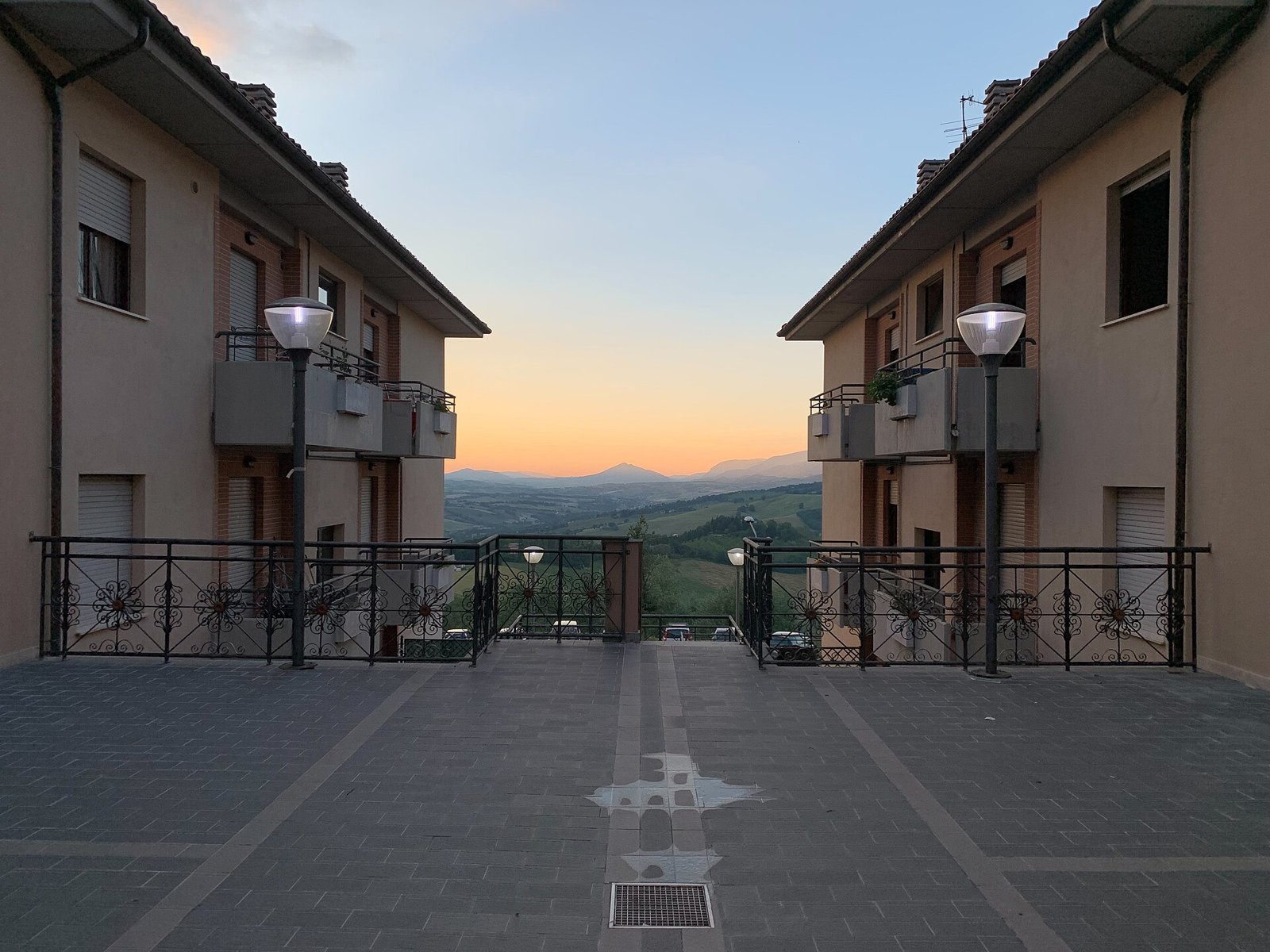
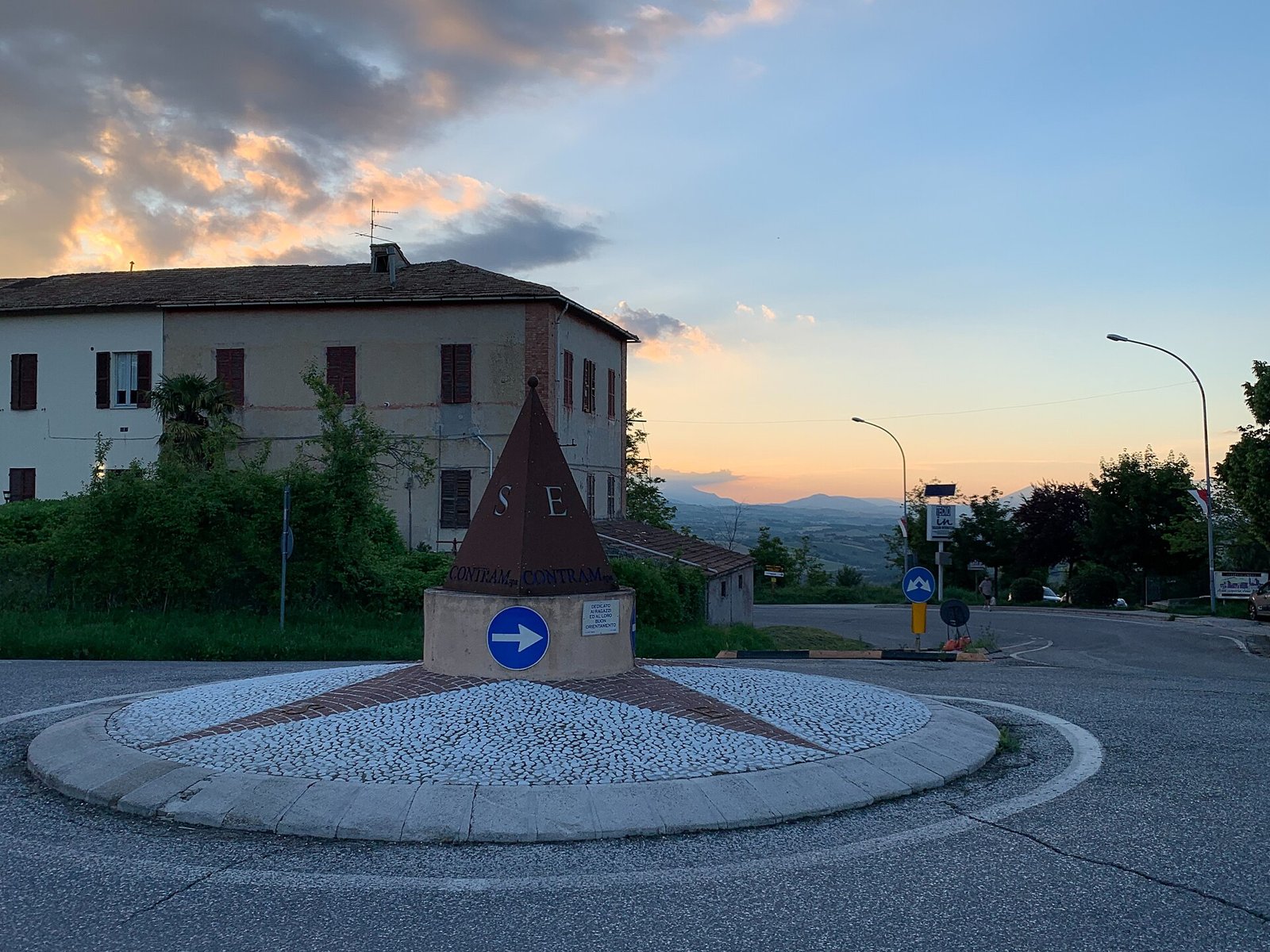
Set on a ridge between the valleys of the Chienti and the Potenza, at the foot of the Monti Sibillini, Camerino is an ancient city of art with a glorious past, dominated by its bell towers and overlooking a vast horizon of mountains. It was a powerful Roman municipium and, in the Middle Ages, the capital of a state governed for over two centuries by the lordship of the Da Varano, who made it a refined centre of culture and power, summoning artists and men of letters to their court. In 1336 its University was founded, among the oldest in Europe and still today the beating heart of city life, drawing students every year from all over. Later passing to the Papal States, Camerino retained its rank of episcopal and university city, keeping a leading role in the hinterland. The historic centre, medieval and Renaissance in layout, guards noble palaces, churches, sculpted portals and the mass of the fortress, among steep streets and secluded squares. Badly struck by the earthquake of 2016, the city is today engaged in a patient process of reconstruction, which proceeds with care, gradually restoring its treasures. Even in this delicate phase, the community has never stopped living and enlivening its spaces. Awarded the Orange Flag of the Touring Club, Camerino remains a cultural reference point of the hinterland, able to unite history, art and university tradition in a landscape of great Apennine charm, among cultivated hills, woods and the peaks of the Sibillini that close the horizon.
The monumental heart is the complex of the Palazzo Ducale of the Da Varano, seat of the university, overlooking wide vistas towards the Sibillini, with its courtyards and halls that recall the splendour of the Renaissance court. A short distance away rises the Rocca Borgesca, a fortress commissioned by Cesare Borgia, and the scenic Piazza Cavour, the city's drawing room, onto which the cathedral faces. Worth seeing are the church of San Venanzio, dedicated to the patron saint, the Archaeological Museum and the civic Pinacoteca, which guards masterpieces such as works by Carlo Crivelli, a master of the Marche Renaissance. Numerous churches, noble palaces, loggias and glimpses tell of the city's ducal and university past, among stone alleys and sudden views of the mountains. Because of the earthquake of 2016 some monuments are still under restoration, but the centre and its surroundings retain an intact charm, and student life continues to enliven the streets. The ancient seats of learning, the cloisters and the libraries bear witness to centuries of culture and research, which still today keep the city alive. All around stretches a landscape of hills and mountains, the gateway to the Monti Sibillini National Park, ideal for hiking, cycle tourism and itineraries among villages, abbeys, hermitages and the unspoilt nature of the upper Macerata area. Walks along the belvederes offer wide panoramas that on clear days range from the snow-capped peaks in winter to the green pastures of summer, in a continuous shifting of light and colour that accompanies the seasons of the mountain.
The cuisine of Camerino is the flavoursome fare of the Macerata hinterland, rich in handmade pasta and mountain produce, the fruit of an ancient farming and pastoral tradition. The signature dish is vincisgrassi, a sumptuous oven-baked lasagna with meat ragù of the tradition, together with tagliatelle, passatelli and tagliolini often enriched with truffle from the surrounding mountains, which these woods yield in several varieties over the course of the year. Not to be missed is ciauscolo, a soft spreadable IGP cured meat, accompanied by the other local salumi and by the sheep's cheeses of the Sibillini, of intense and fragrant flavour. Among the main courses are roast meats, game and dishes based on mushrooms, chestnuts and pulses from the valleys. On feast days there is no lack of crescia sfogliata, cooked on the testo and filled with cured meats and wild herbs, while wood-fired bread accompanies every course. Renowned too is the confectionery production, with the celebrated torrone and traditional biscuits, prepared above all for the festivities. Giving character to the dishes are the wines of the Colli Maceratesi and the Rosso Piceno, produced in the nearby hills. The country fairs and festivals, together with the lively university life that brings energy and conviviality to the city, enliven the streets and offer the chance to discover these genuine flavours in the historic eating houses of the centre and in the farm inns of the surrounding hills, where the table remains a moment of encounter and hospitality, marked by the rhythm of the seasons and by the produce of the garden and the wood.