Altitude
360 m a.s.l.
Coordinates
43° 28′ N
12° 38′ E


Altitude
360 m a.s.l.
Coordinates
43° 28′ N
12° 38′ E
Ufficio Turismo e Cultura (c/o Comune di Cantiano)
Piazza Luceoli, 3 – 61044 Cantiano (PU)
Opening hours: dal Monday al Saturday 8:30–13:30
Tel.: 0721 789911
email comune.cantiano@provincia.ps.it
website comune.cantiano.pu.it
Pro Loco Cantiano facebook.com/cantianoproloco
Comune di Cantiano
Piazza Luceoli, 3 – 61044 Cantiano (PU)
Opening hours: dal Monday al Saturday 8:30–13:30
Tel.: 0721 789911
email comune.cantiano@provincia.ps.it
PEC comune.cantiano@emarche.it
website comune.cantiano.pu.it
Take a look at some photos of the town
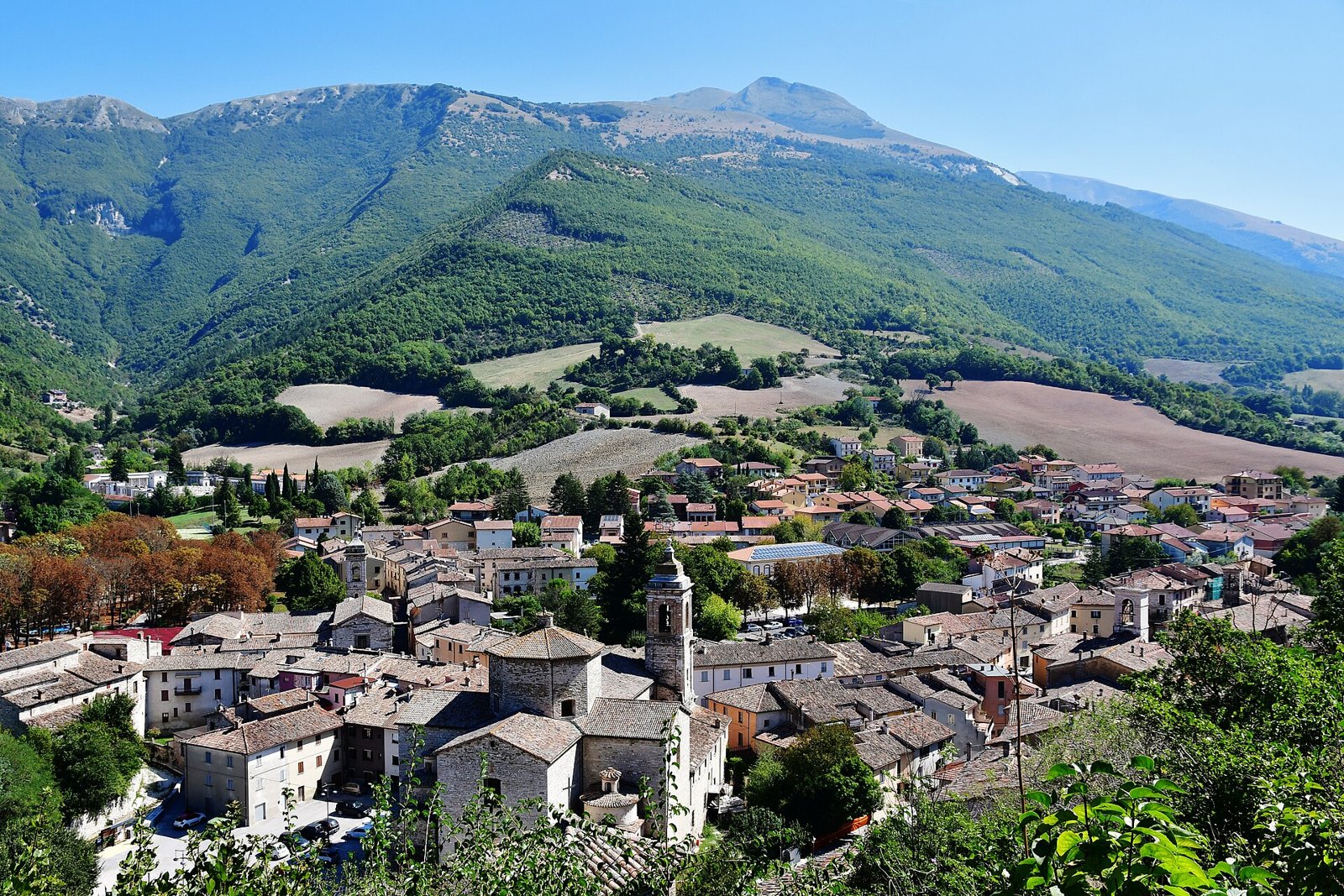
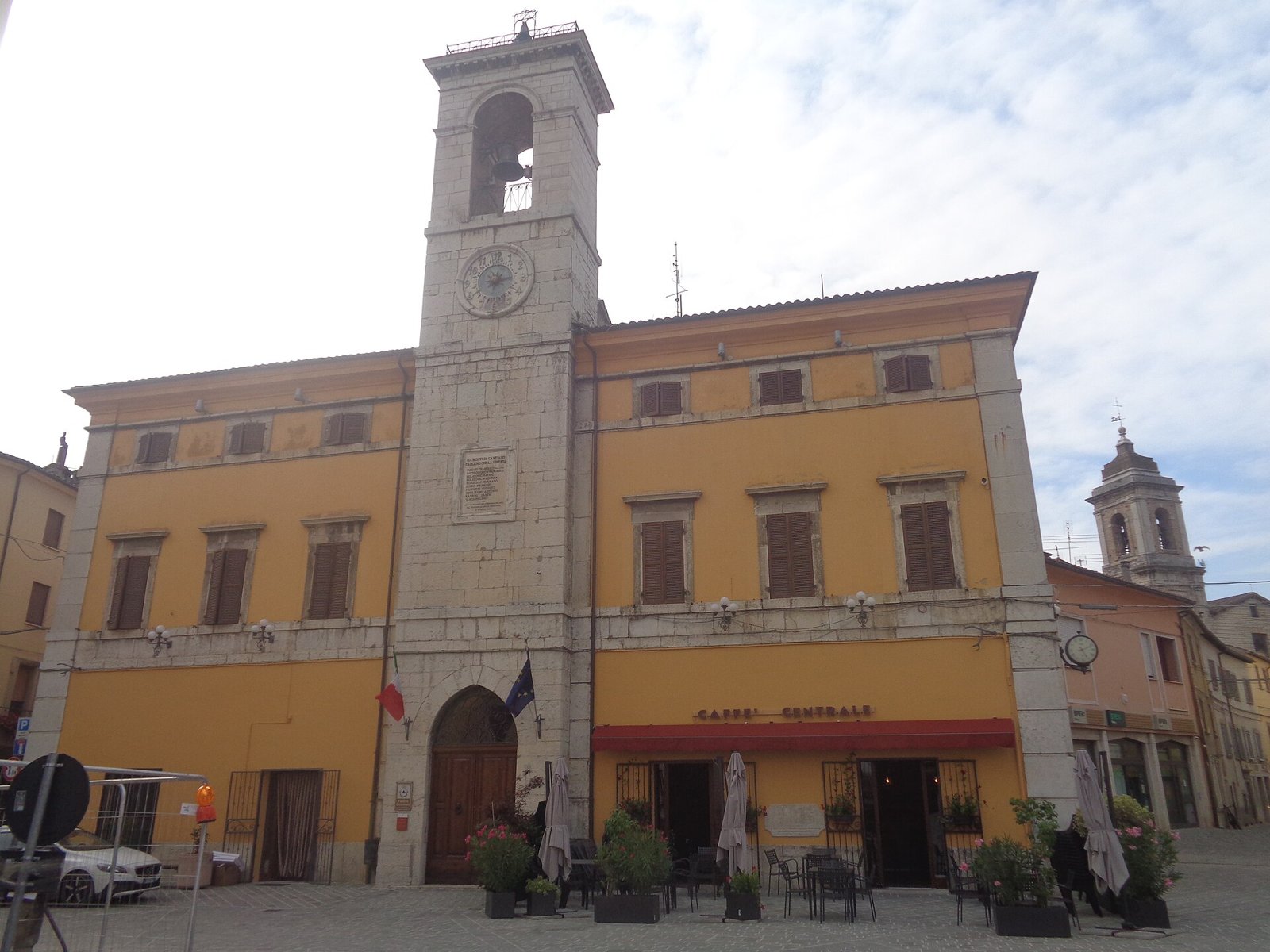
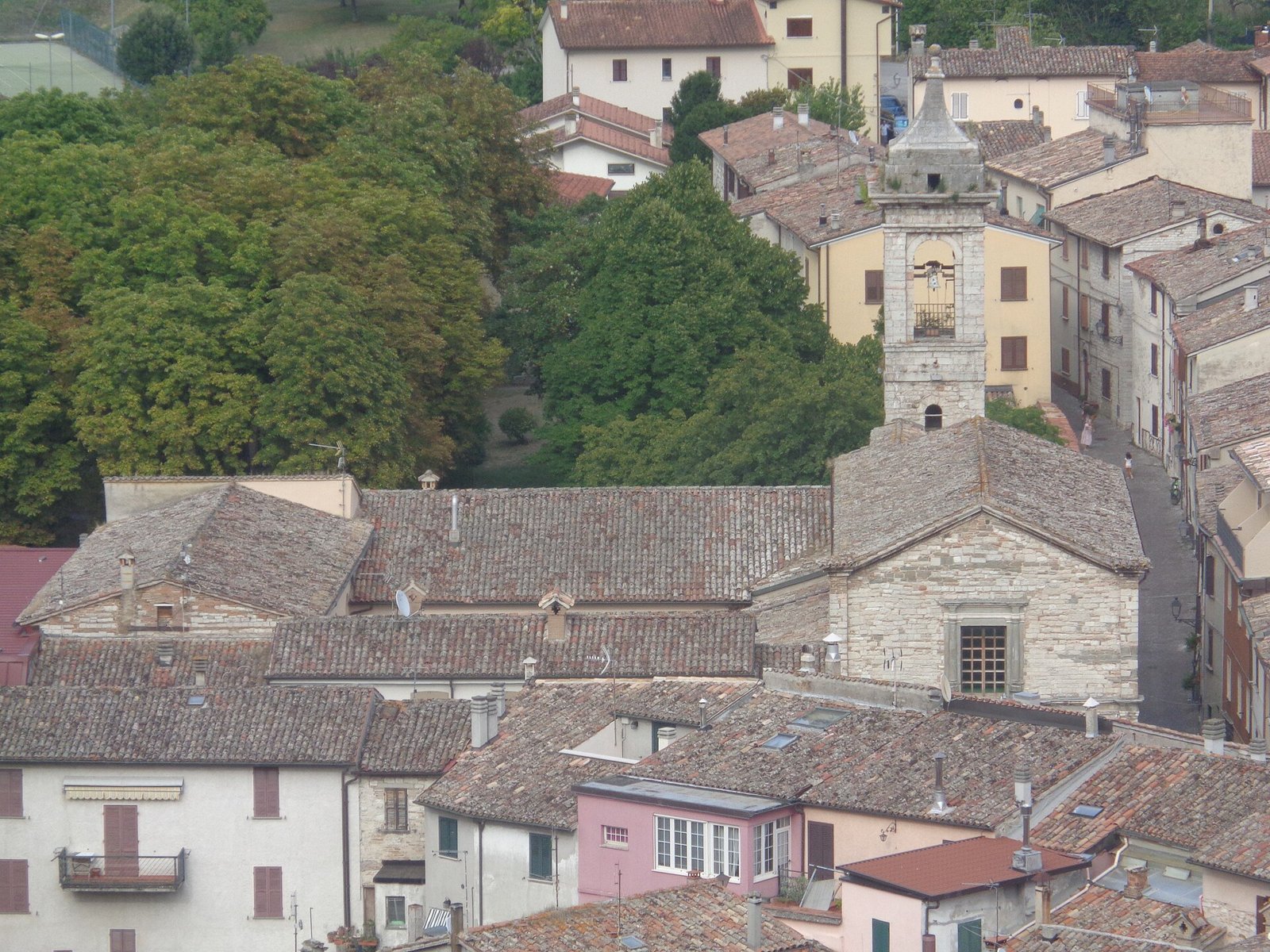
Set at around 360 metres above sea level, at the foot of the Monte Catria massif in the Umbrian-Marchigiano Apennines, Cantiano is a village in the province of Pesaro and Urbino awarded the Orange Flag of the Touring Club Italiano. Its history has its roots in the ancient Luceoli, an important centre of Roman and Byzantine times that arose along the Via Flaminia, the great consular road commissioned in 220 BC by Caius Flaminius to connect Rome to Rimini. Destroyed during the wars of the early Middle Ages, according to tradition in 1137, the city drove its inhabitants to gather a little further away around a new fortified settlement, defended by mighty walls and a corner tower about twenty-four metres high. From that nucleus took shape the medieval village that is still recognisable today in the stone-paved alleyways, the intimate glimpses and the ancient churches. Cantiano is, however, famous above all for the Turba, the sacred representation of Good Friday that re-enacts the Passion of Christ: its origins go back to the penitential movements of the Franciscan-inspired disciplinati that spread across the Marche and Umbria in the thirteenth century, when pilgrims crossed the Flaminia intoning the Miserere. From the Compagnia dei Disciplinati di Santa Croce, which in 1427 became the Compagnia del Buon Gesù at the wish of Saint Bernardino of Siena, and then from the Società Turba founded in 1938, derives today's event, which transforms the entire town into a great open-air stage and involves the community from generation to generation.
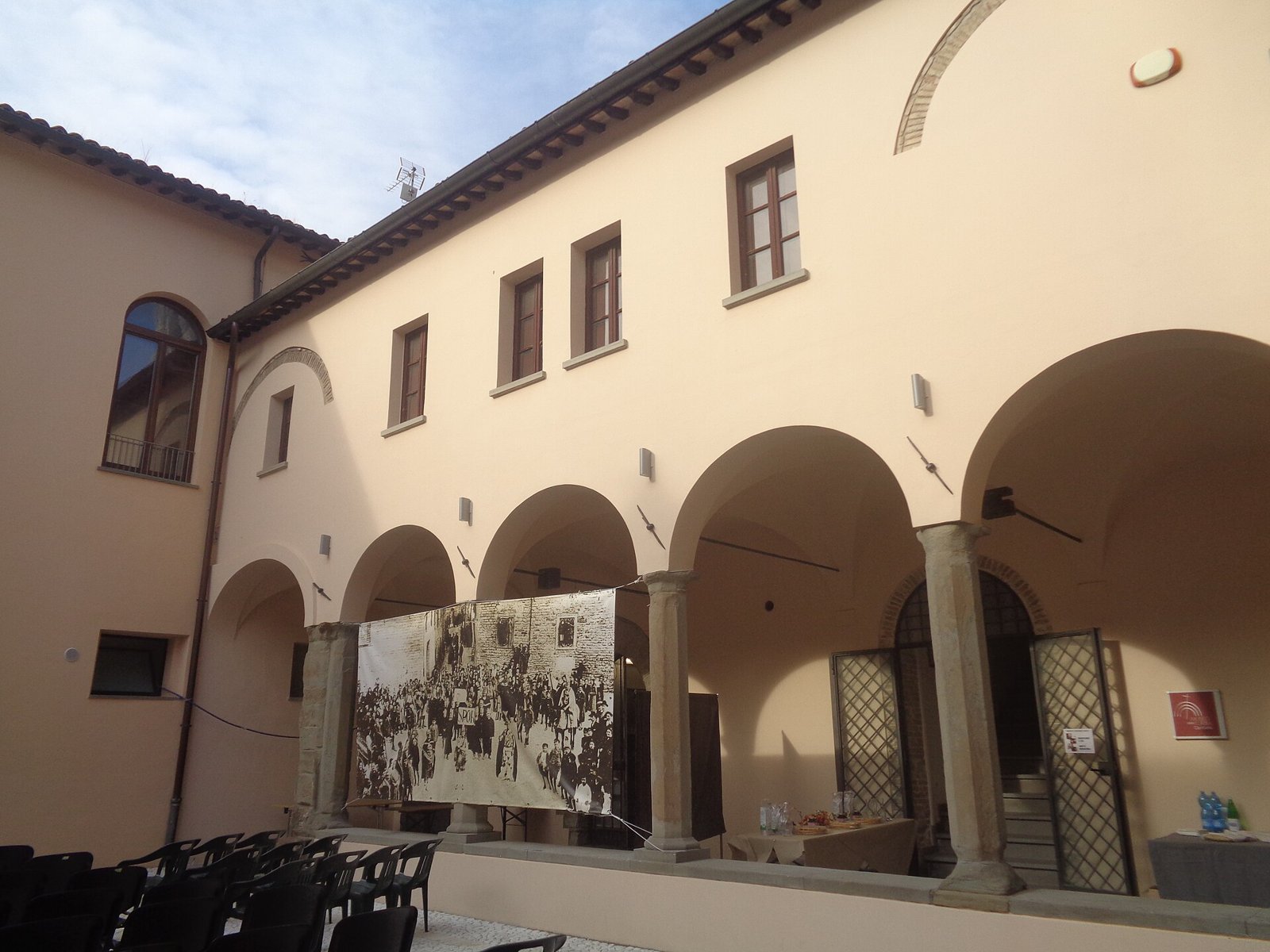
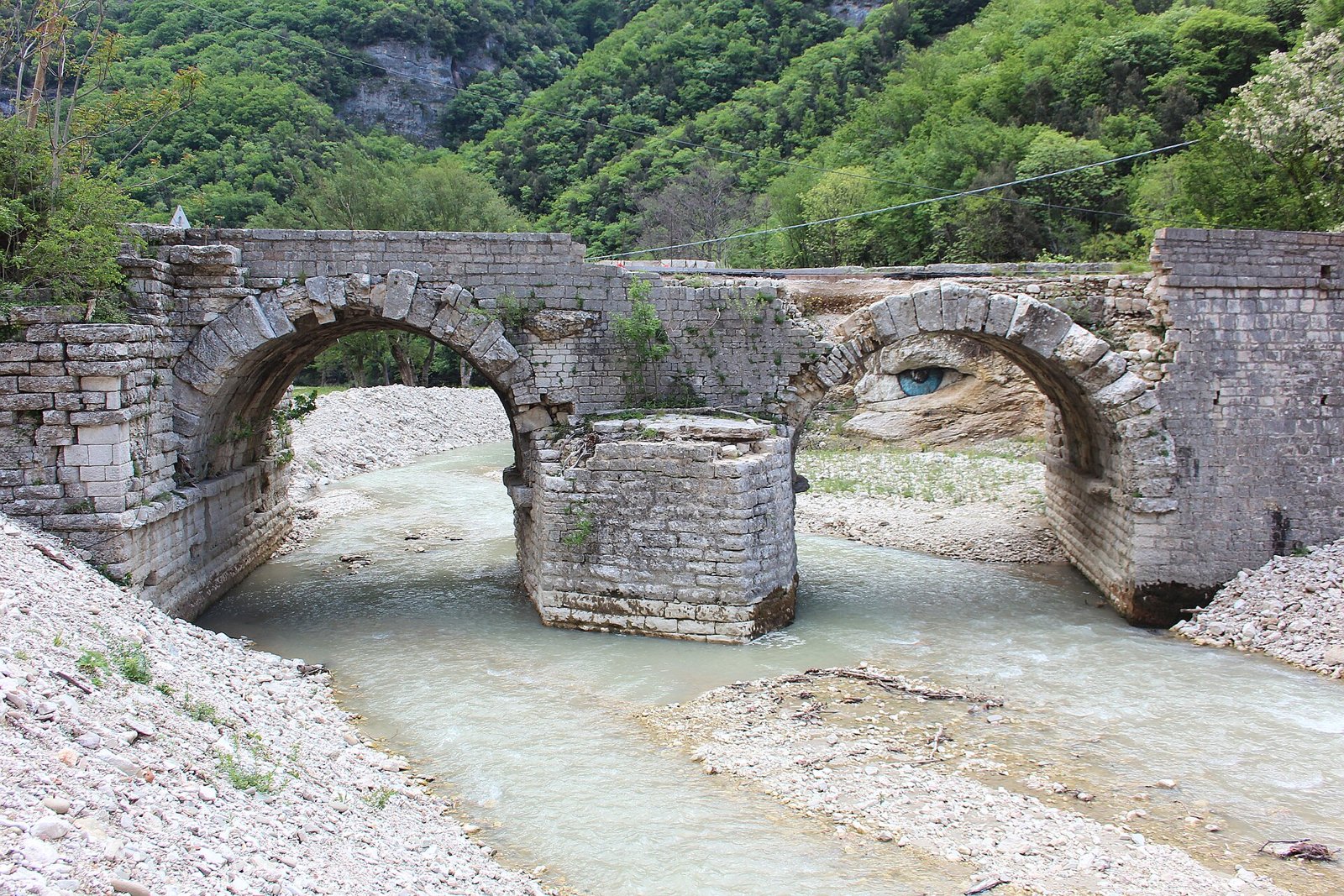
The heart of Cantiano is Piazza Luceoli, the village's drawing room, onto which faces the church of San Nicolò, while among the medieval alleyways of via Fiorucci one can still breathe the atmosphere of times past. Among the religious buildings the Collegiata di San Giovanni Battista stands out, housing valuable paintings including a Madonna del Cardellino attributed to the workshop of Pinturicchio, alongside the church of Sant'Agostino. Worth a visit is the Museo Geoterritoriale, which accompanies the visitor through the phases of the Earth's formation by way of the characteristic Umbrian-Marchigiano stratigraphic succession and devotes a section to archaeology and to the Via Flaminia, with finds linked to the ancient consular road and the striking reconstruction of Ugo, the dinosaur that inhabited this territory, identified through the study of its fossilised footprints. Of great interest, too, is the recent Museo della Turba, which traces the history of the sacred representation and of the community that has handed down its rite for centuries. Just outside the built-up area are Roman testimonies such as the Ponte Grosso over the river Burano, a bridge almost two thousand years old and still clearly legible. All around opens the natural scenery of Monte Catria, which nears 1,700 metres: pastures, beech woods and paths make it an ideal destination for excursions on foot, on horseback or by mountain bike, while the hamlet of Chiaserna, spread out on its slopes, serves as a gateway to the mountain and to its wide, silent horizons.
The table of Cantiano tells of its mountain and its woods. The most famous product is the amarena, the small wild sour cherry rechristened the village's red gold: a fruit similar to the cherry but with a more intense and slightly tart taste, which since the early twentieth century has been preserved in sugar syrup according to a tradition that, so it is said, even reached the tables of the Royal House. From the amarene are prepared fragrant jams and delicious crostate, an authentic symbol of local sweetness. No less important are the fruits of autumn: the marroni and the chestnuts that ripen in the chestnut groves at the foot of Monte Catria, protagonists of caldarroste, flours and desserts such as castagnaccio, together with mushrooms and the prized white truffle of the Balbano valley, precious ingredients that perfume first courses and festive tables. Bread-making has its emblem in the pane di Chiaserna, baked in the wood-fired ovens of the small mountain hamlet and prized for its fragrant crust and long keeping, the ideal companion of the local cured meats and cheeses. To quench the days there is also the craft beer of Catria, born in the mountain's shadow. These flavours are found again at the autumn festivals and fairs, such as the historic Cantiano Fiera Cavalli, where the produce of the land interweaves with pastoral traditions, offering the visitor a genuine journey through the tastes of the Umbrian-Marchigiano Apennines, between rural memory and sincere hospitality.