Altitude
550 m a.s.l.
Coordinates
42° 58′ 51″ N
13° 21′ 43″ E


Altitude
550 m a.s.l.
Coordinates
42° 58′ 51″ N
13° 21′ 43″ E
Ufficio Turistico IAT
Piazza Risorgimento, 17 – 63857 Amandola (FM)
Opening hours: da Monday a Saturday 9:00–14:00 (su prenotazione)
Tel.: 0736 840731
Email: turismo.amandola@gmail.com
Comune di Amandola
Piazza Risorgimento, 17 – 63857 Amandola (FM)
Opening hours: uffici Monday–Saturday 8:15–14:15; apertura al pubblico 8:30–13:00
Tel.: 0736 84071
Email: protocollo@comune.amandola.fm.it
PEC: comune.amandola@emarche.it
Sito: www.comune.amandola.fm.it
Take a look at some photos of the town
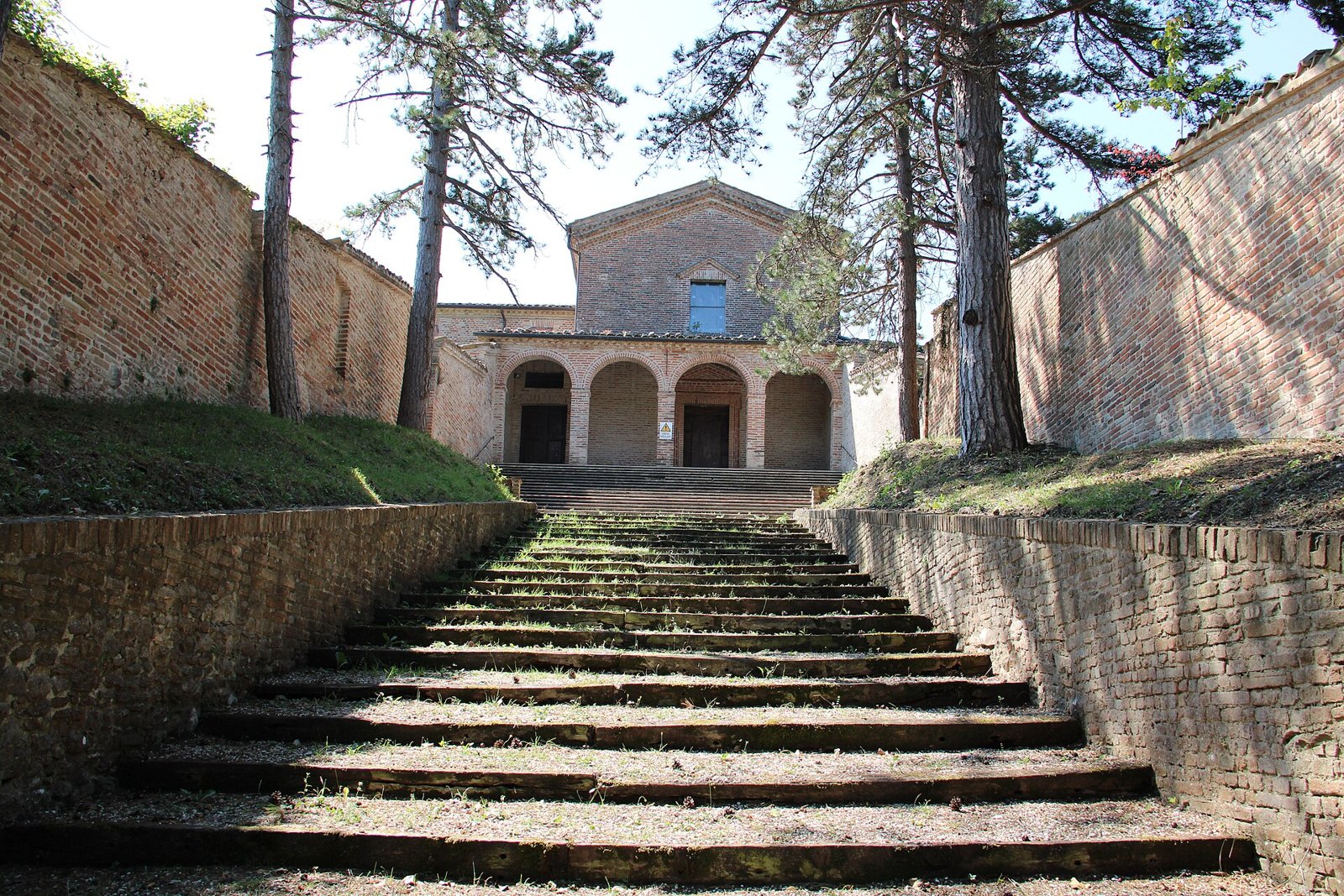
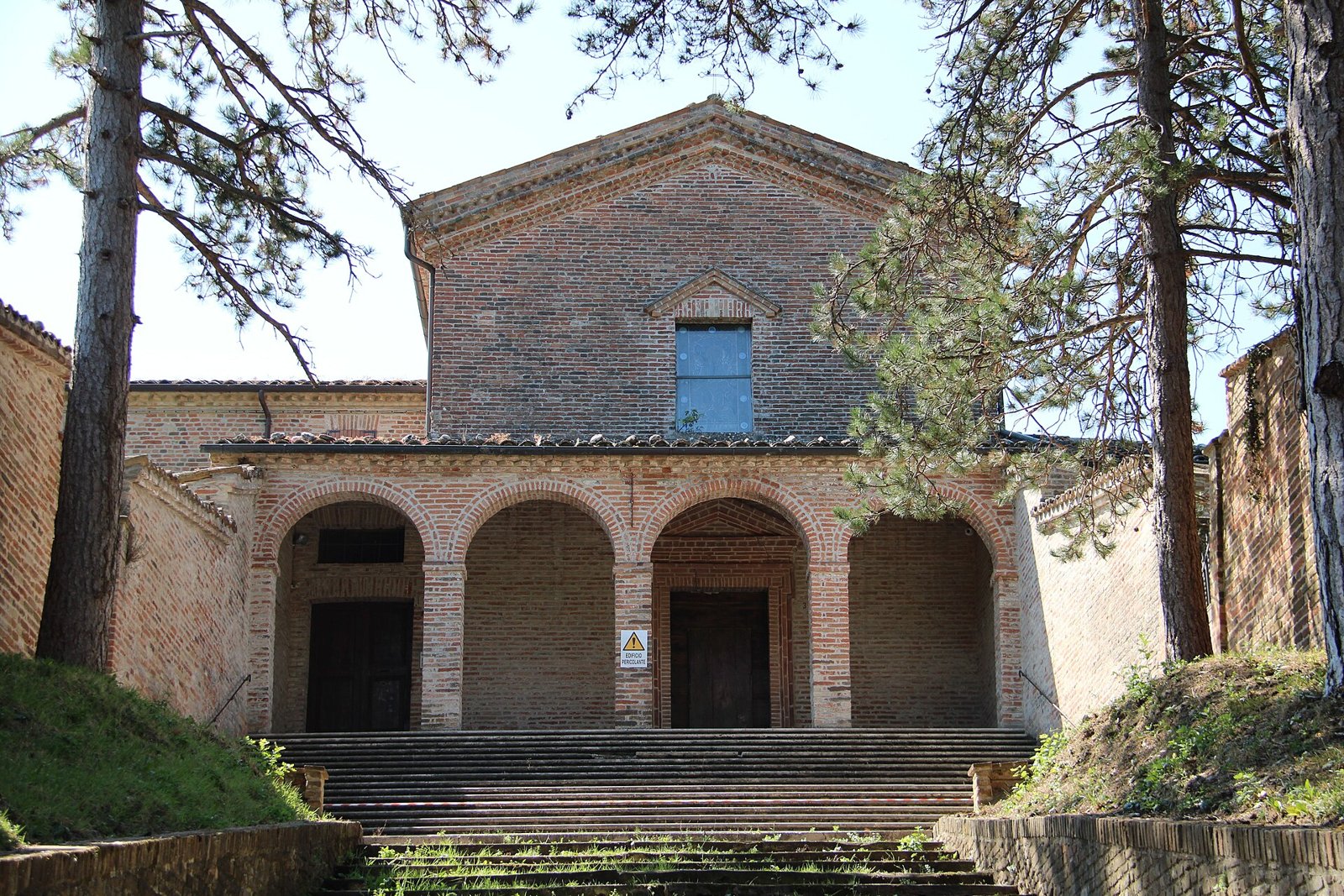
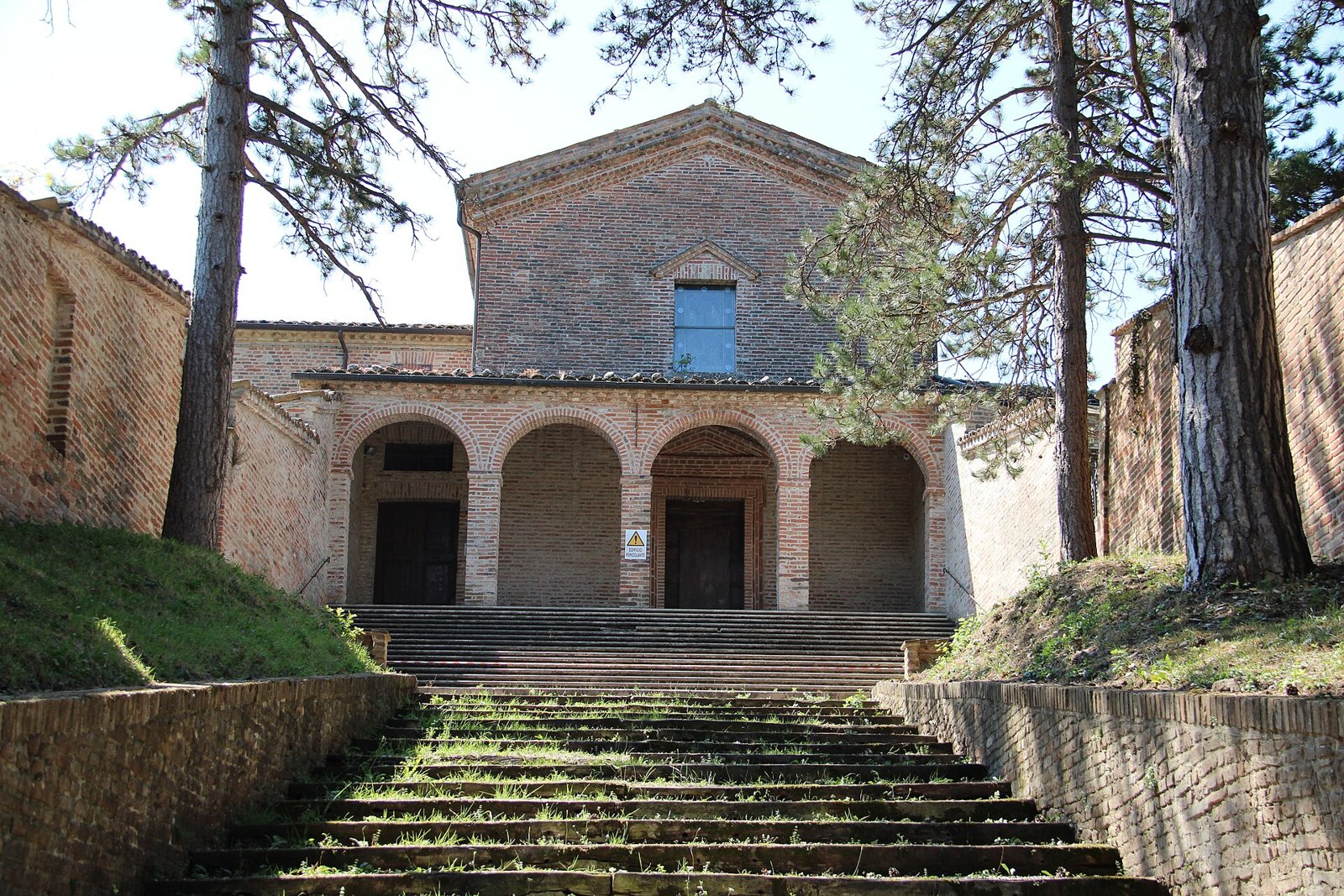
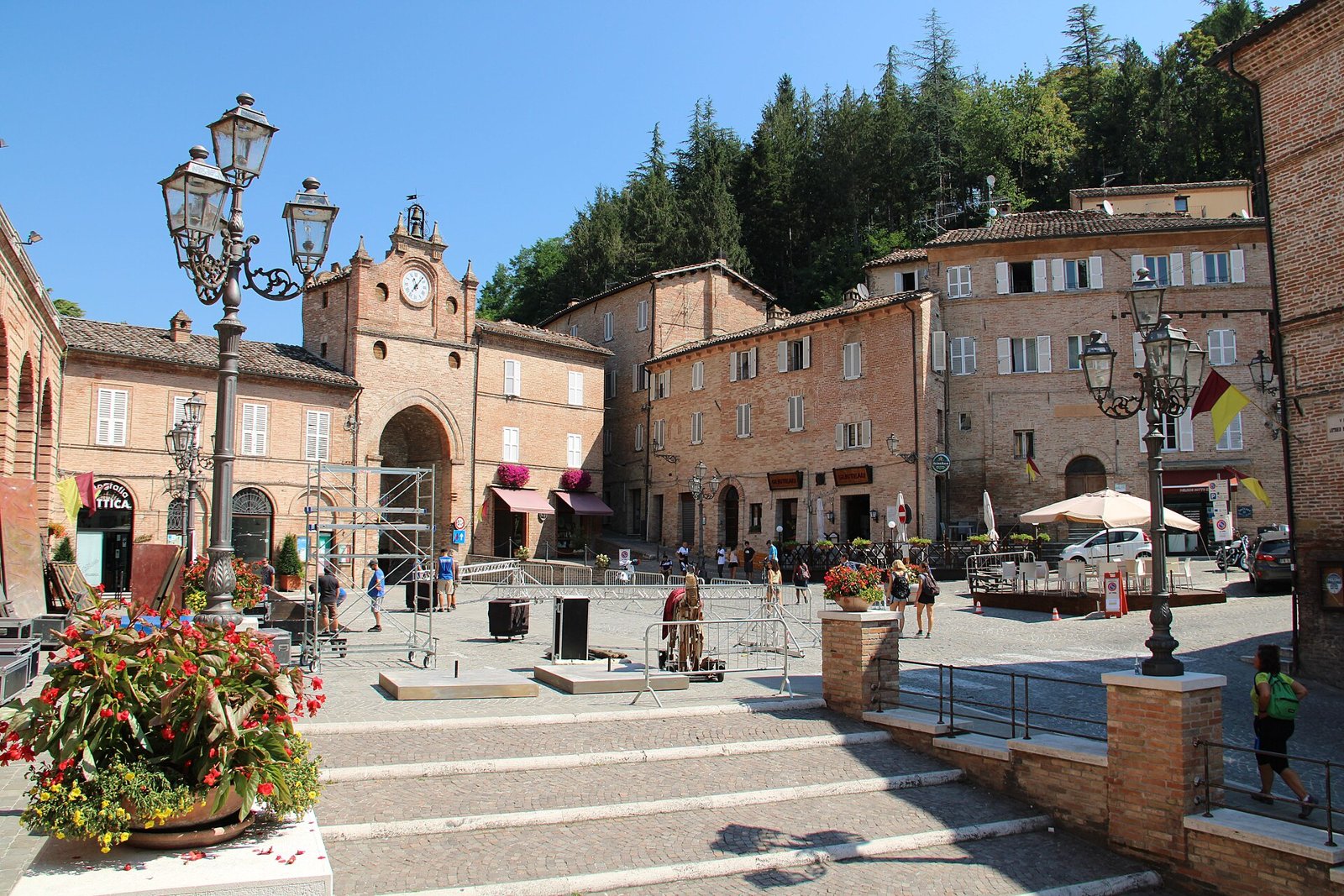
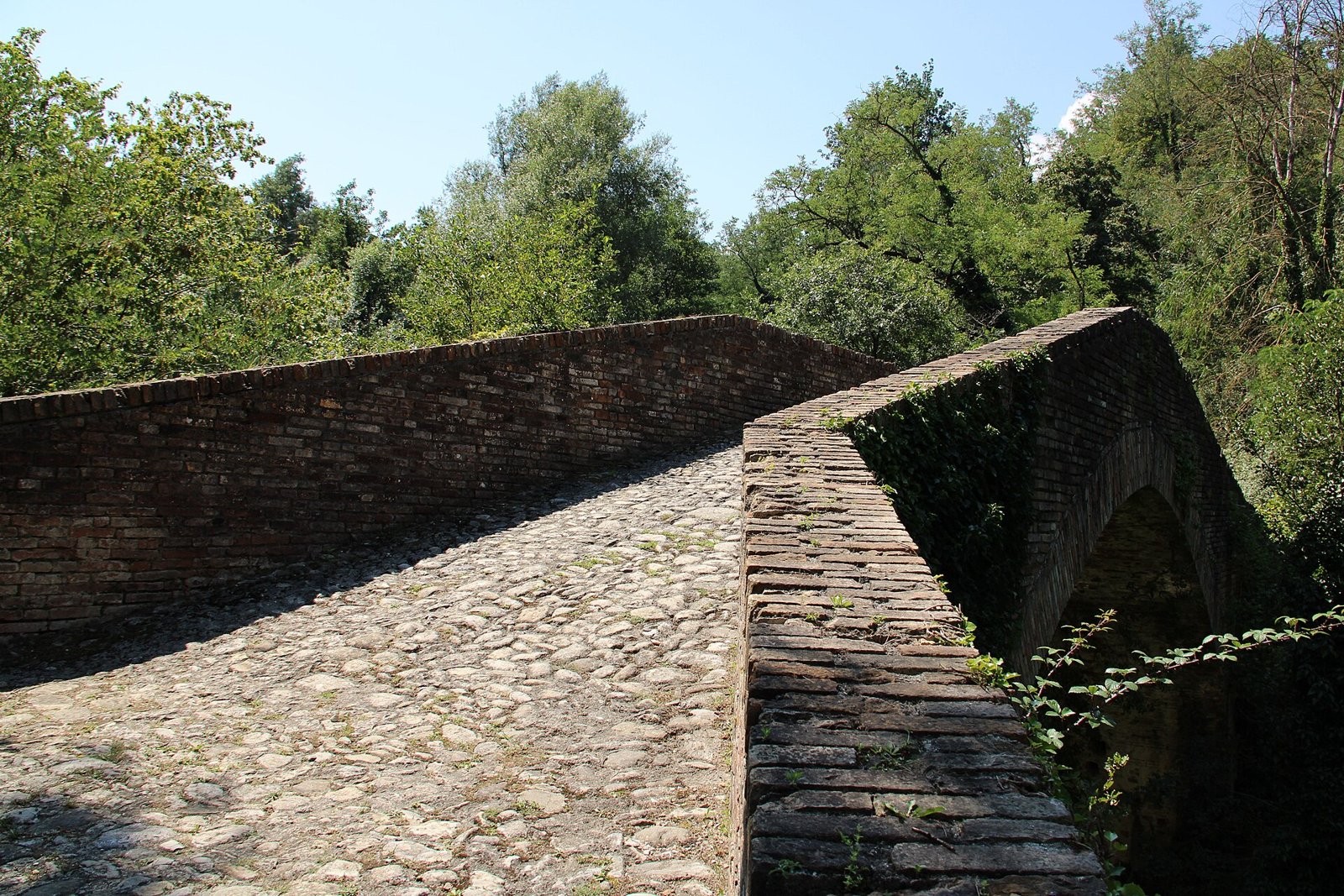
Set on three hills — Marrubbione, Castel Leone and Agello — on the eastern slopes of the Monti Sibillini, at around 550 metres above sea level and on the left bank of the river Tenna, Amandola is regarded as the "eastern gateway" to the National Park. Its name, according to tradition, is said to derive from an almond tree admired in these parts and depicted on the town's coat of arms, while others link it to the village's splendid panoramic position. Its origins reach back to the early Middle Ages: from the 9th century the territory was disputed between the bishop of Fermo and the Farfa monks, who had fled from Sabina because of Saracen raids and who founded Santa Vittoria in Matenano and encouraged the rise of the first fortified settlements, the castles of Agello, Leone and Marrubbione. From their union, in 1249, the free commune of Amandola arose, which from 1265 adopted its own statutes and later came within the orbit of the Papal States. Over the centuries the town enjoyed a notable economic flourishing thanks to wool working, leather tanning and trade, which made it a lively centre of the Fermo hinterland, adorned with churches, convents and palaces. Today Amandola preserves that heritage of art and faith among stone alleys, stairways and open squares looking out over the blue peaks of the Sibillini, and its ability to combine landscape, culture and hospitality has earned it the recognition of the Orange Flag of the Touring Club Italiano, which certifies its excellence as a destination for slow, authentic tourism in the heart of the Marche.
The historic centre of Amandola reveals itself as you stroll among its churches and its open stone squares. The church of Sant'Agostino, once the sanctuary of the Blessed Antonio, is the most imposing building in the village: erected between the 14th and 15th centuries, it boasts a Gothic portal of Venetian inspiration and an elegant bell tower attributed to Pietro Lombardo, dated 1468, with pointed mullioned windows and a slender octagonal spire. Not far away stands the church of San Francesco, in Romanesque-Gothic forms, which preserves a wooden crucifix of ancient craftsmanship and, at the base of the bell tower, a fine cycle of frescoes of the 15th-century Umbrian-Marchigian school. In the adjoining cloister are the Anthropo-geographic Museum and the National Park visitor centre: through models, reconstructions, interactive spaces and a collection of over three hundred photographs, the museum recounts the crafts, traditions and daily life of the people of the Sibillini. Climbing towards Piazza Alta you come upon the 14th-century Palazzo del Podestà, crowned by its tower and the heart of the ancient civic power, and the charming Teatro La Fenice, built between the 17th and 18th centuries, with its distinctive elliptical plan enriched with Neoclassical and Liberty decorations. All around, the landscape invites you to explore: from the village's viewpoints the eye takes in the peaks of Monte Sibilla and Monte Amandola, while paths and old mule tracks lead towards woods, gorges and high-altitude pastures, making the village an ideal starting point for exploring the Park.
The cuisine of Amandola is the plain, genuine fare of the Apennine mountains, dominated by an exceptional product: the prized white truffle of the Sibillini, a true "diamond" of the local table, to which the town devotes every November the renowned gastronomic event "Diamanti a Tavola", alongside the more affordable black truffle and the summer scorzone. The signature dish is fregnacce, sheets of egg pasta cut into lozenges or ribbons, once served simply with grated pecorino and pepper and today often scented with that very truffle. The Amandola larder holds ancient flavours: the mela rosa of the Sibillini, a small, fragrant and wrinkled apple, a Slow Food presidium of the territory; the mushrooms and chestnuts gathered in the woods; the honey, pulses and potatoes of the small mountain farms. Cheeses are not lacking, starting with the pecorino of the high pastures, along with traditional cured meats such as ciauscolo, the soft spreadable salame typical of the Marche. The meats, often from local farms, are accompanied by seasonal vegetables and good wood-fired bread, while the desserts draw on dried fruit, mosto cotto and honey. All of this finds worthy company in the wines of the Piceno and Fermo hills. To sit down to eat in Amandola is thus to savour the soul of the Sibillini, made of humble ingredients skilfully transformed, of recipes handed down from generation to generation and of a conviviality that, between festivals and taverns, remains the most authentic way to get to know this corner of the Marche.