Altitude
442 m a.s.l.
Coordinates
43° 25′ 58.44″ N
13° 11′ 9.74″ E


Altitude
442 m a.s.l.
Coordinates
43° 25′ 58.44″ N
13° 11′ 9.74″ E
Via XX Settembre, 14
60039 Staffolo (AN)
Italy
Tel.: +(39) 0731.770418
Fax: +(39) 0731.770402
www.comune.staffolo.an.it
luca.toccafondo@alice.it
Contact person
Luca TOCCAFONDO
Mob.: +(39) 339.7384680
luca.toccafondo@alice.it
via XX Settembre, 14
60039 Staffolo (AN)
Italy
Tel.: +(39) 0731.779218
Fax: +(39) 0731.770402
www.comune.staffolo.an.it
comune@comune.staffolo.an.it
comunestaffolo.an.sindaco@pa.postacertificata.gov
Take a look at some photos of the town
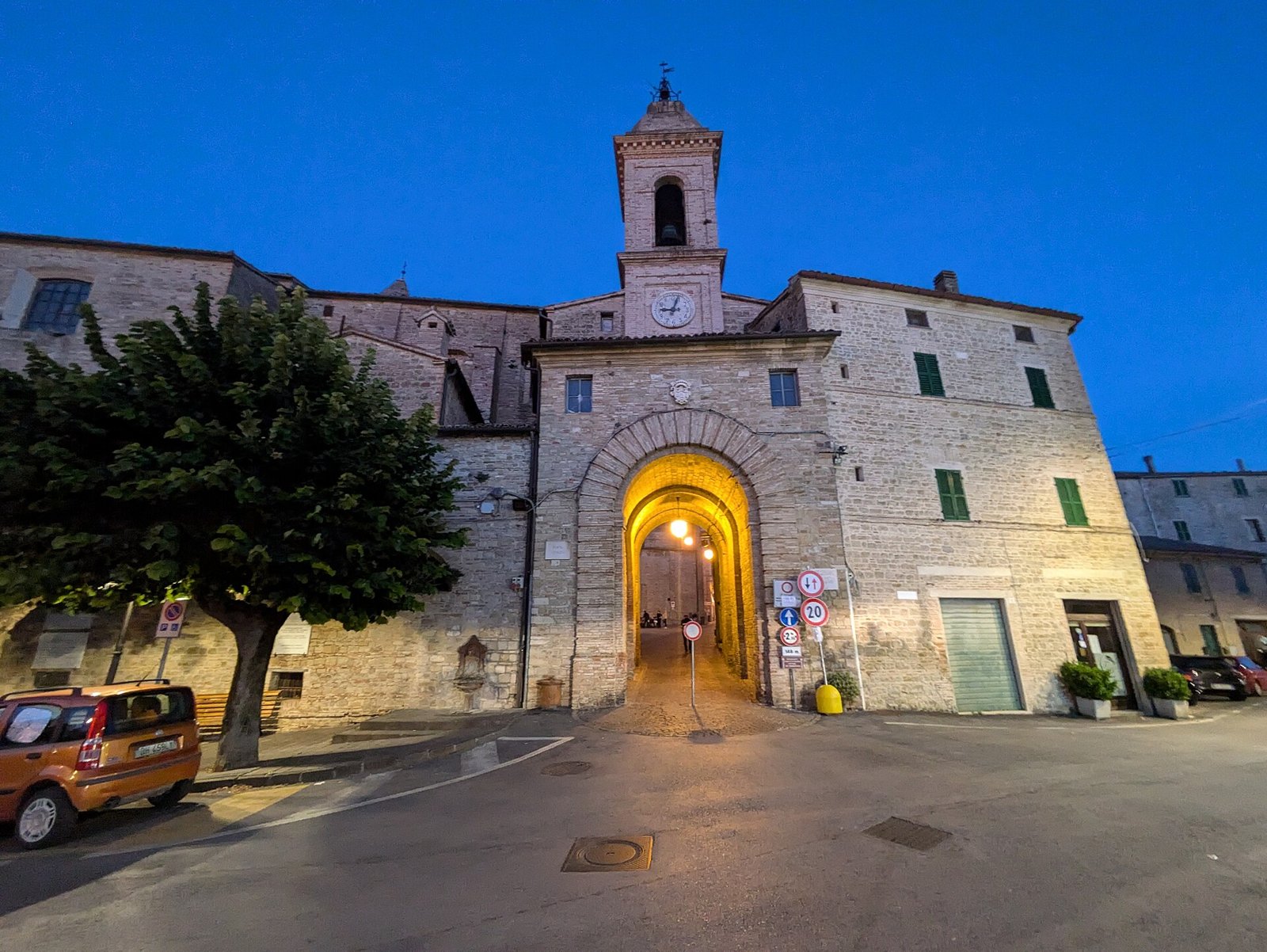
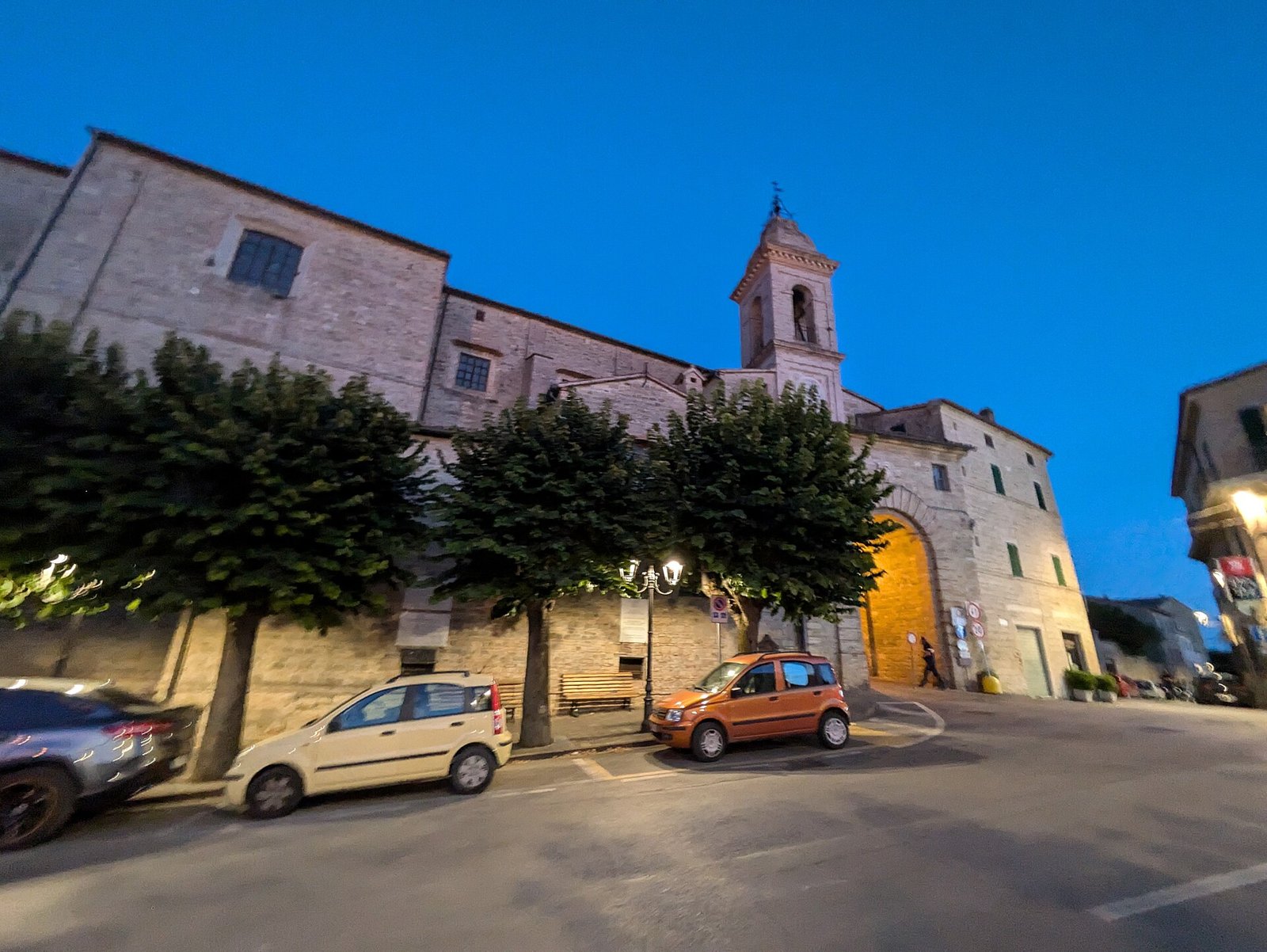
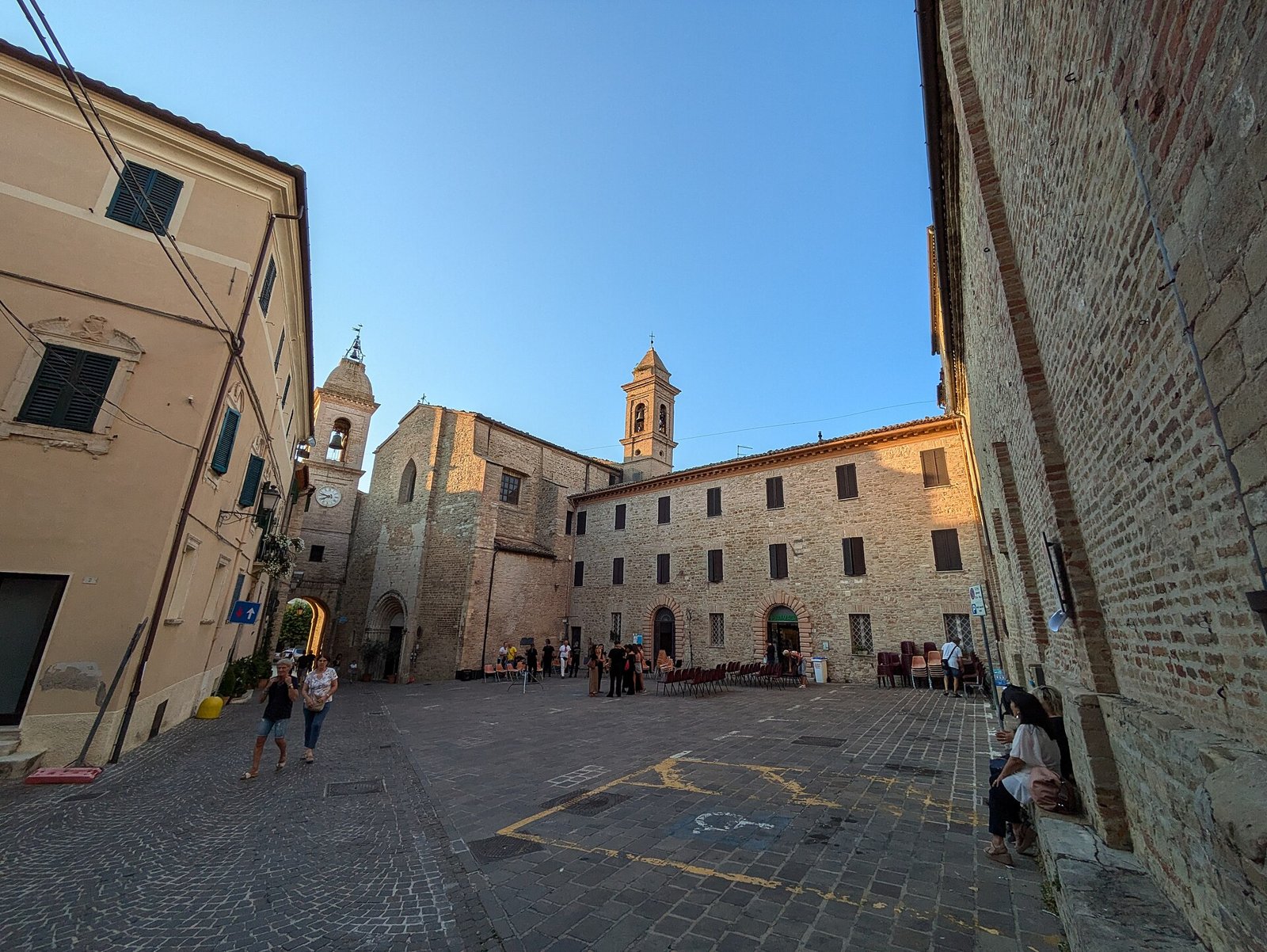
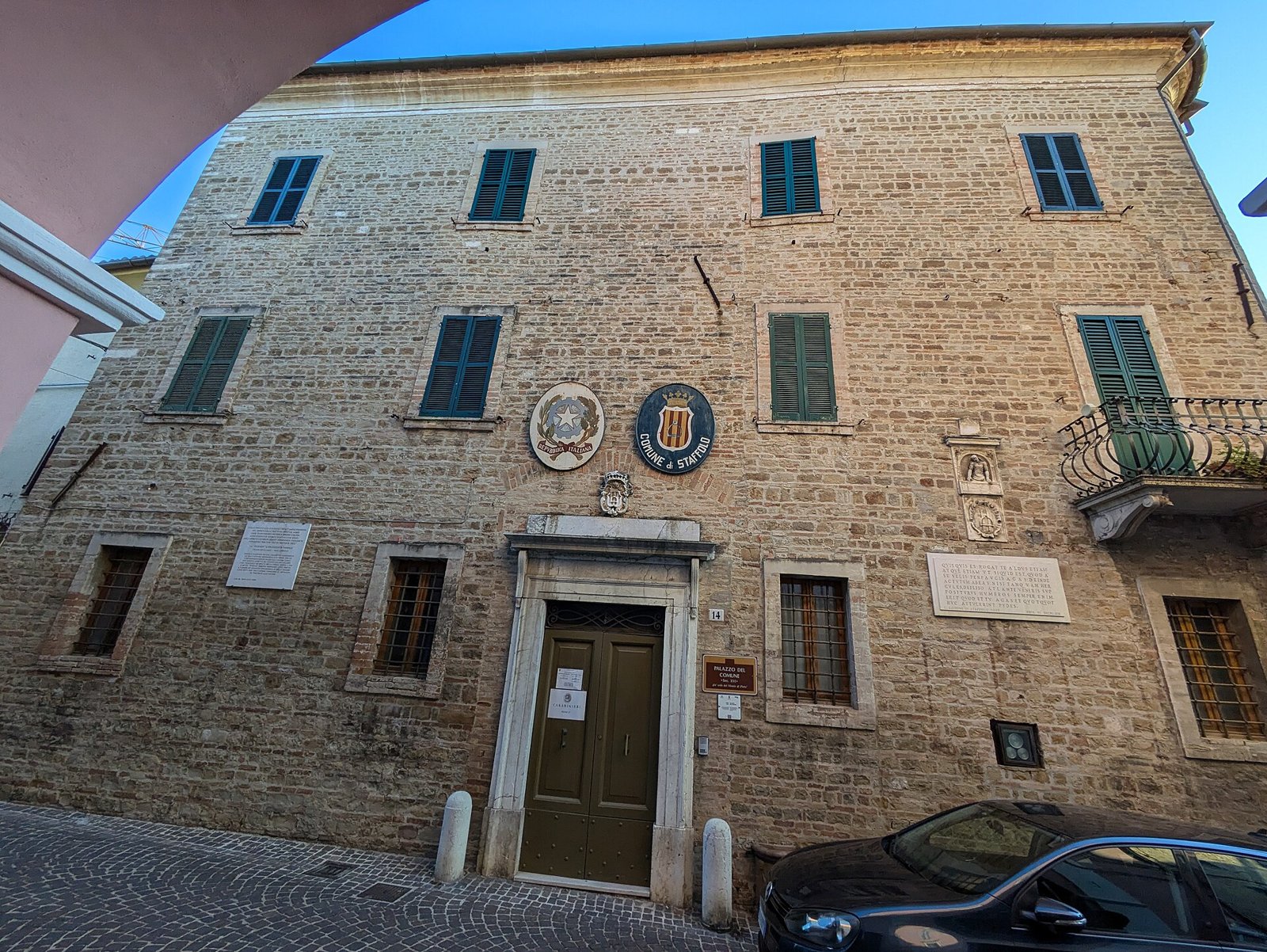
Known as the "balcony of the Vallesina", Staffolo rises on a panoramic hill in the heart of the Verdicchio hills, dominating the Esino valley with a view that on clear days ranges from the mountains to the sea. Of medieval origin, the village developed as a fortified castle and still preserves today a good part of its 14th-century walls, with the gates and walkways that encircle its summit. Bound for centuries to the fortunes of the Church State and to the agricultural vocation of the territory, Staffolo has always been deeply identified with the cultivation of the vine and with the production of Verdicchio, which among these rows finds one of its terroirs of choice. The compact historic centre, with its square, churches and brick palazzi arranged along the hillside, guards the tranquil atmosphere of the Marche hill villages, where the seasons mark the slow rhythm of work in the fields, from spring pruning to the autumn grape harvest. All around extends a gentle amphitheatre of vineyards, olive groves and farmhouses, dotted with small parish churches and white gravel roads. The profile of the bell tower and the towers can be recognised from afar, a familiar signal in the undulating sea of the hills. Awarded the Orange Flag of the Touring Club, Staffolo is today a destination for wine tourism and panoramic walks, appreciated for its landscape of vineyards, for its good wine and for the genuine hospitality of its wineries, which welcome visitors amid tastings and ancient peasant traditions handed down from generation to generation.
The village is discovered by strolling along the castle walls, from which extraordinary panoramas open over the Vallesina and the vineyard-cultivated hills. Worth seeing are the church of San Francesco and the other churches of the centre, rich in works of art, together with the brick palazzi and the gates of the walls. A particular place is the Museum of the Art of Wine, which recounts the history and techniques of local viticulture, the heart of Staffolo's identity. The alleys and little squares invite quiet walks among picturesque views, sudden outlooks and flower-filled corners. All around extends a gentle landscape of vineyards and wineries, ideal for food-and-wine and cycle-tourism itineraries along the Verdicchio roads, which cross orderly hills and small rural villages. Its panoramic position and closeness to Jesi, Cupramontana and the other villages of the valley make Staffolo an excellent starting point for discovering the wine territory, among history, nature and flavours. On clear days the gaze from the belvederes reaches the profile of the Apennine mountains on one side and the line of the Adriatic on the other, in a continuous dialogue between land and sea. The walks along the walkways, especially at sunset, offer a warm light that kindles the red of the bricks and the green of the vine rows, while on summer evenings the little squares come alive with festivals, concerts and fairs dedicated to wine and to the products of the surrounding countryside.
The cuisine of Staffolo is inextricably linked to wine and to the flavours of the Vallesina hills. The absolute queen is the table of handmade first courses: tagliatelle, cappelletti in broth, passatelli and vincisgrassi, the rich, many-layered Marche lasagna. Among the main courses are coniglio in porchetta, roast meats and local cured meats, first among them ciauscolo, accompanied by sheep's cheeses and field vegetables. But it is Verdicchio dei Castelli di Jesi that is the true star, an elegant and versatile white with a characteristic almond aftertaste, which accompanies the entire meal and is celebrated in every winery of the village, from the fresh and young versions to the more structured and aged ones. Field vegetables, extra-virgin olive oil and honey complete a genuine larder, enriched by mushrooms and by the fruits of the hillside gardens. Among the desserts one enjoys ciambelloni, crostate and traditional biscuits, ideal with a glass of passito or vino cotto. There is no shortage of lonzini, homemade preserves and wood-fired bread, the memory of a self-sufficient larder. The fairs, in particular those dedicated to wine and the grape harvest, animate the village between the end of summer and autumn and offer the chance to savour these typical products in a convivial atmosphere, amid toasts and peasant hospitality. In the cellars dug into the subsoil and in the trattorias of the centre, the visitor rediscovers the ancient gestures of the Marche table, where every dish tells the deep bond between the community, the land and its vines.