


When villages once again become places to play
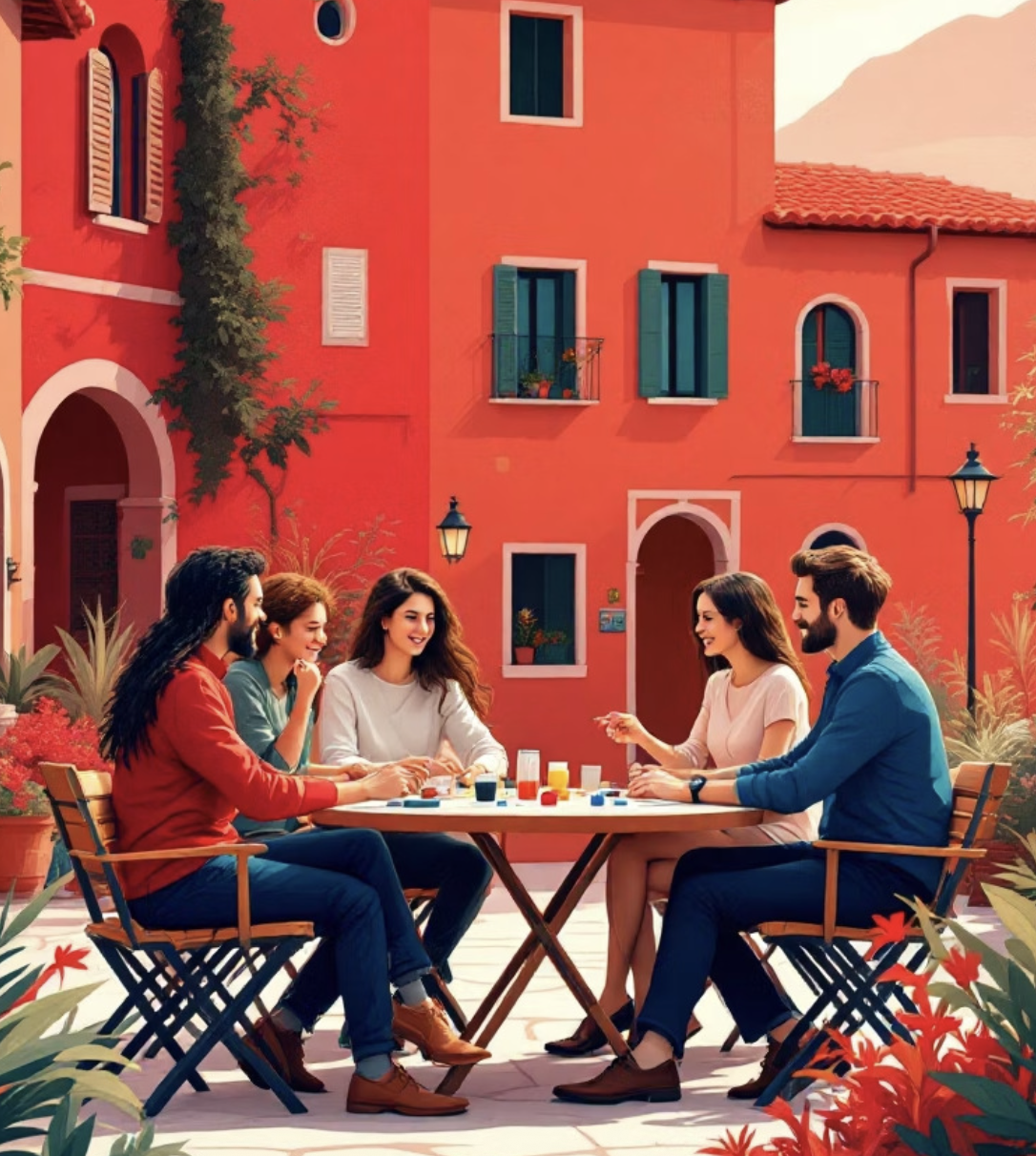
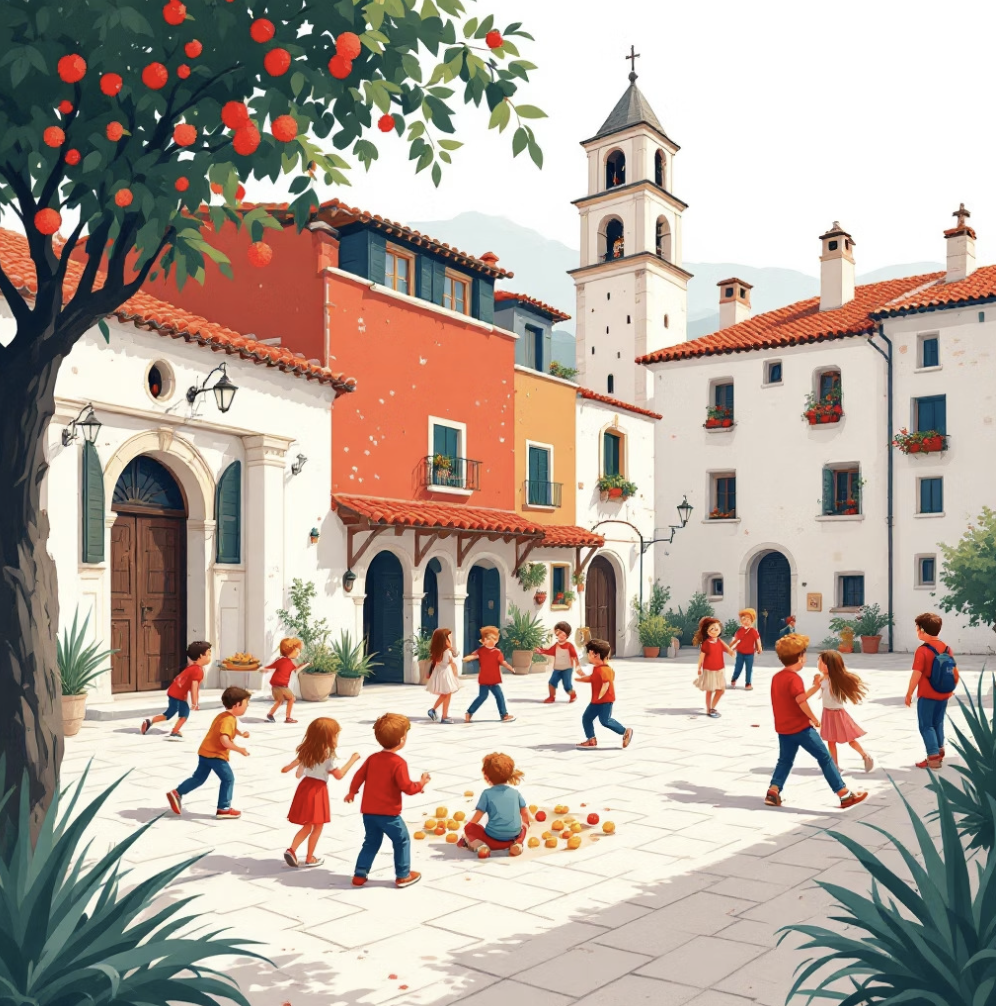
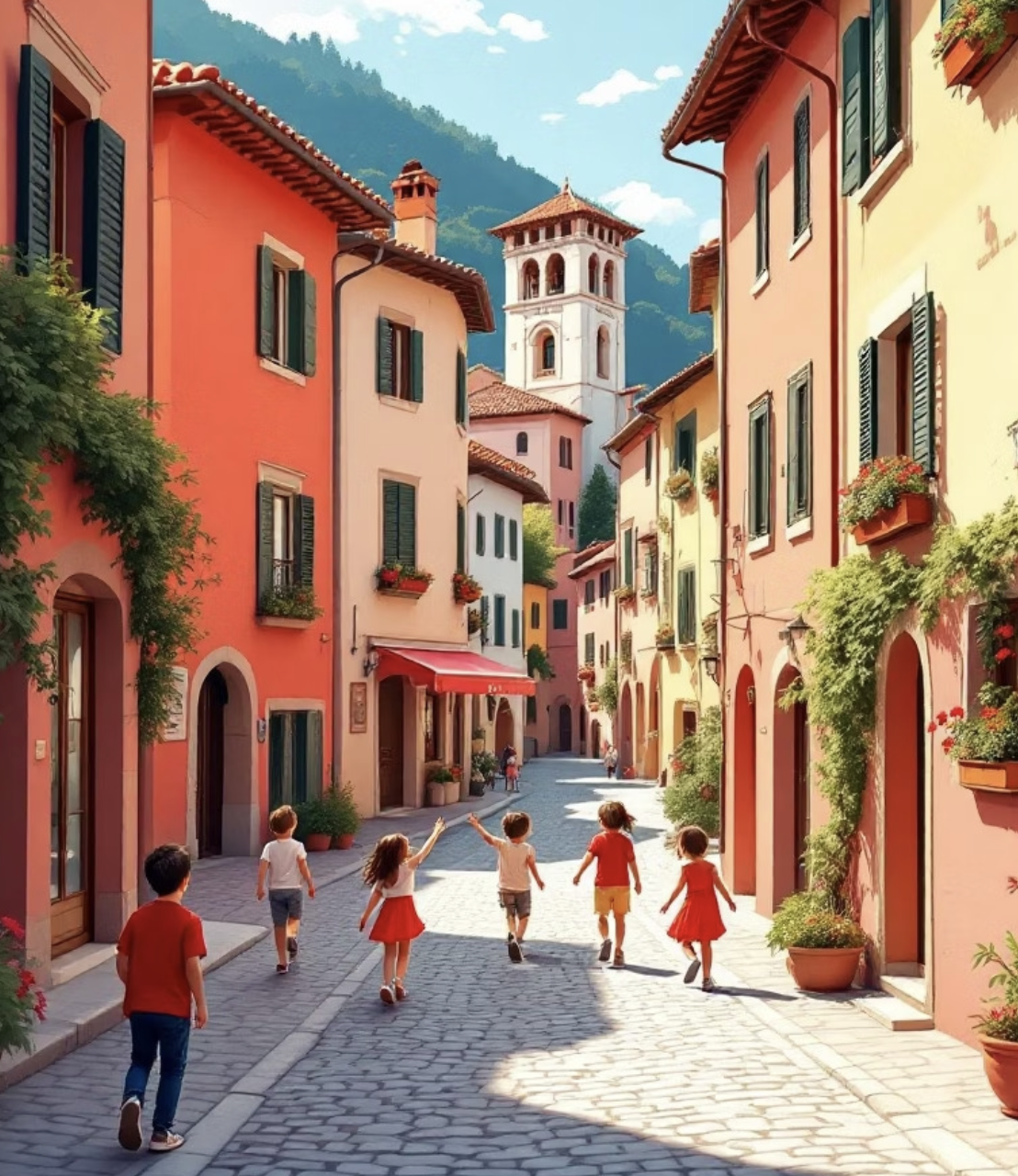
What if Italy's villages once again became places where children can truly play? Not fenced-off, invisible playgrounds, but streets, squares, museums, courtyards and landscapes designed to be safe, accessible and stimulating.
From this simple – and immensely powerful – idea comes The Child-Friendly Village, a project that places play at its centre as a right, an educational experience and a driver of community.
Promoted by the association Natural Slow Life in collaboration with theOrange Flag Towns Association, the project aims to transform historic villages into welcoming ecosystems for families, children and new forms of mindful tourism.
Why play is not an extra (but a serious matter)
In the hyper-digital world we live in, free, physical, shared play has become increasingly rare. The Child-Friendly Village overturns this trend, starting from one key principle:
👉 play is a fundamental skill, not a pastime.
Playing means exploring, cooperating, taking controlled risks, getting to know the local area and building relationships. And it is precisely in the villages – by virtue of their scale, history and relationship with nature – that all of this can naturally happen once again.
The project draws inspiration from the principles of the Manifesto of the Cities at Play, which recognises play as an essential element for a more inclusive, healthy and participatory society.
What makes a village “child-friendly”?
It's not enough to put a slide in the square. A Child-Friendly Village is a place that rethinks its own spaces, services and policies starting from the youngest. In practical terms, the project works on:
-
Safe and accessible play areas, including for children with different abilities
-
Creative and educational workshops, connected to nature, science, art and craftsmanship
-
Family-friendly services: baby changing tables, children's menus, breastfeeding areas
-
Cultural events and games festivals, involving the whole community
-
Museums and exhibitions that tell the story of play as cultural heritage
The result? Villages that are more liveable not only for children, but for everyone.
Nature, history and traditions: growing up with roots
One of the project's strengths is its deep connection with the local area. Children are not "entertained", but involved:
they discover biodiversity, artisan workshops, local traditions, and the history of the places where they live or that they visit.
This approach fosters empathy, respect for diversity and a sense of belonging. Growing up in a village that tells its own story means growing up with strong roots and an open outlook.
A new way of doing tourism: playful tourism
The Child-Friendly Village it also speaks to the world of tourism. More and more families are looking for authentic, slow and meaningful destinations.
And so was born the recreational tourism: travelling to play, learn and explore together.
Certified villages become ideal destinations for this new way of travelling, capable of generating economic value without distorting the identity of the places.
A growing network (starting from the Marche)
The project is conceived as a network of villages of excellence, supported step by step in developing genuinely child-friendly policies and practices.
The collaboration with the Marche Region aims to create a pilot project in the Bandiera Arancione municipalities of the Marche, with the support of institutions such as CSEN, CONI, GioNa and the Associazione delle Città in Gioco.
The creation is also planned of a Permanent Scientific Committee, with the involvement of the academic world and pedagogical research.
Because it concerns us all
A village designed with children in mind is a safer, more inclusive, more vibrant village.
Investing in children means investing in the future of communities, countering depopulation and strengthening social bonds.
The Child-Friendly Village is not just a project for families.
It is a vision: villages that once again become places where you can grow up well.